How to Run Wedding Photo Game Right
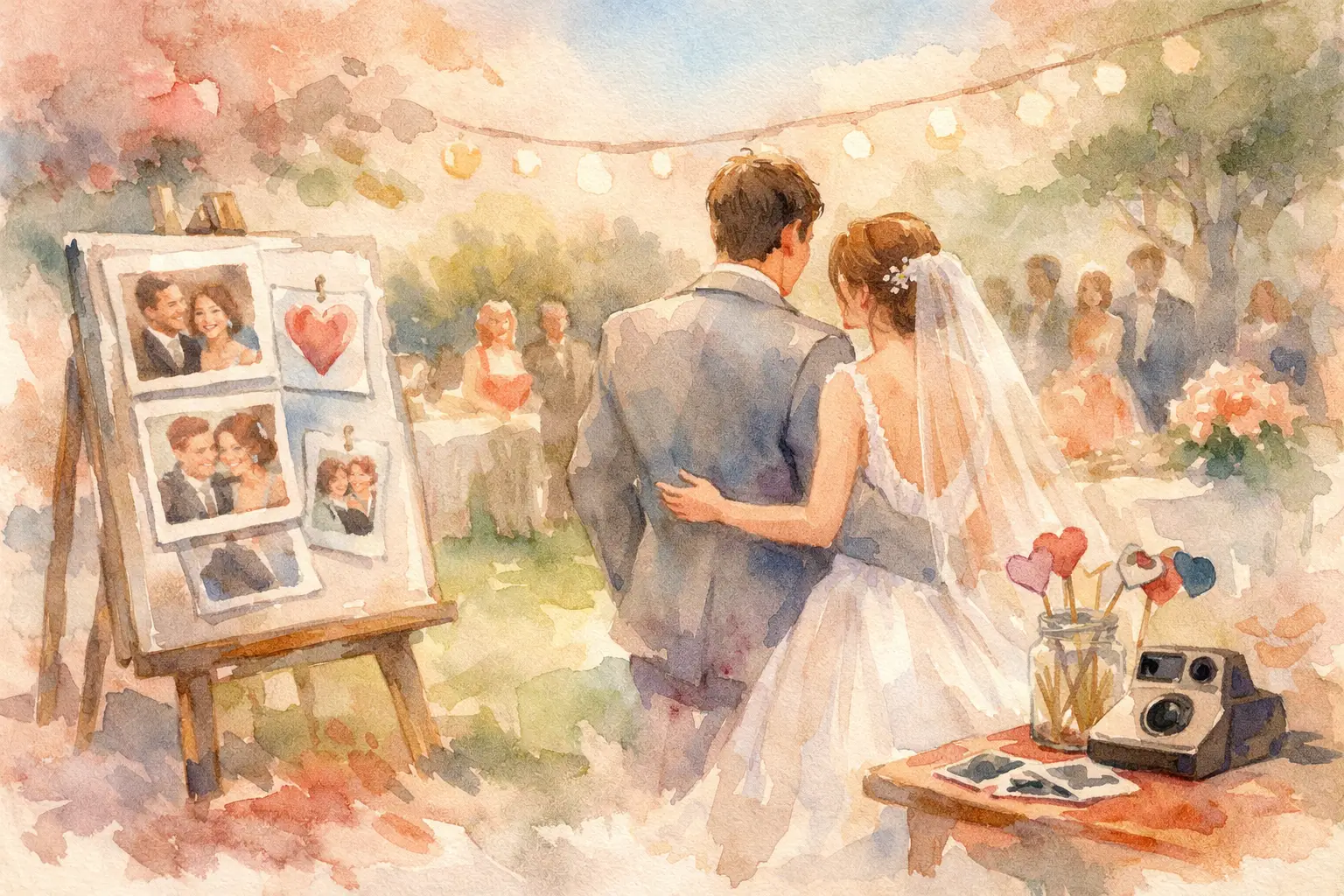
A wedding photo game can either be the thing guests rave about or the thing nobody quite understands until dessert. The difference usually comes down to setup. If you’re figuring out how to run wedding photo game ideas without making the day feel like a corporate icebreaker, the goal is simple: make it easy, make it fun, and make people actually want to play.
The best wedding photo games work because they give guests a job without making it feel like work. People already have phones in hand. They already want to capture the funny, sweet, unplanned moments. Your job is to give that instinct a little structure so the photos end up in one place instead of disappearing into camera rolls, text threads, and random Instagram Stories.
What a wedding photo game should actually do
A lot of couples picture a photo game as a cute extra. It can be that, but it’s more useful than that too. Done well, it solves a real wedding problem: you get more perspectives, more candid shots, and more of the in-between moments your photographer can’t catch while covering the big stuff.
That matters because the most replayable wedding photos usually aren’t only the formal portraits. They’re your college roommate ugly crying during the vows. Your uncle trying to learn the signature cocktail recipe. Your flower girl under a table with a bread roll. A photo game gives guests permission to notice those moments.
It also boosts participation. Guests who might not dance, make a toast, or hover near the couple still have an easy way to join in. For mixed-age weddings, that matters. The game becomes a social layer, not just a tech gimmick.
How to run wedding photo game without overcomplicating it
Start with the format. There are two versions that work best.
The first is a scavenger-hunt style game. Guests get a list of photo prompts like “someone tearing up,” “best dance move,” “table selfie,” or “the happiest couple besides the newlyweds.” This format is great if you want energy and movement.
The second is a limited-shot disposable camera style game. Guests get a set number of photos to take, often with a delayed reveal later. This feels more intentional and a lot more fun than unlimited snapping, because scarcity makes people choose their moments. It also cuts down on 47 nearly identical photos of the same centerpiece.
If you’re choosing between them, think about the vibe. Scavenger hunts feel playful and interactive. Limited-shot formats feel more curated, nostalgic, and emotionally charged. Neither is better across the board. It depends on whether you want active competition or more thoughtful candids.
Keep the rules short enough to explain in one breath
This is where many wedding games lose people. If guests need a speech, a printed instruction card, and a FAQ, participation drops fast.
Good rules sound like this: scan the code, join the wedding album, take photos from the prompt list, and check the gallery when it opens later. That’s it. If there’s a prize for best photo or first completed list, mention it. If not, don’t invent complexity just to make it feel official.
The best rule of thumb is simple: if someone can join in while holding a drink and talking to someone at their table, you’ve got the format right.
Pick prompts people can actually capture
A strong prompt list makes the game. A weak one makes guests give up after item three.
The sweet spot is specific enough to spark ideas, but broad enough that anyone can play from anywhere in the room. “Bride laughing” is easy. “A candid moment during golden hour on the west lawn” is not. You’re not assigning homework.
Aim for prompts that create variety across the event. A few should focus on emotion, a few on details, and a few on pure chaos. That mix keeps the gallery from becoming one-note.
Some examples that work well are first hug after the ceremony, best-dressed guest, a photo that screams celebration, someone caught mid-laugh, a dessert close-up, the wildest dance floor moment, and a quiet moment nobody else noticed. Those give guests range without making them overthink it.
If you want a competitive angle, choose 8 to 12 prompts max. More than that and it starts to feel like a side quest. For a disposable-camera-style game, skip prompts entirely or use just three category ideas so people still shoot freely.
Decide when guests should play
Timing changes everything.
If you launch the game too early, guests burn through interest before the reception gets good. If you wait too long, people are already settled into their own rhythm and less likely to notice instructions. For most weddings, the best moment is right after the ceremony or at the start of cocktail hour.
That timing works because people are energized, moving around, and naturally taking photos anyway. It also gives the game room to unfold across the reception instead of cramming everything into the last hour.
You can also build mini beats into the night. A table sign at dinner can remind guests to capture speeches, details, and candid table moments. Another sign near the dance floor can push them toward movement-heavy shots later on. You don’t need a big announcement every time. Quiet nudges work better.
Make joining frictionless or don’t bother
This is the part people underestimate. A great wedding photo game dies fast if the sharing process is annoying.
Nobody wants to download an app, make an account, remember a password, or text photos to a number they’ll lose by Monday. Weddings move fast. Attention spans move faster. The lower the friction, the more guests actually contribute.
That’s why QR-code access works so well for this kind of game. Guests scan, join, and start shooting. No explaining. No chasing people afterward. No “can you AirDrop me those?” energy two weeks later.
If you want the game to feel polished instead of patched together, use one shared digital album and put the QR code in the places guests already look: welcome signage, cocktail tables, bar menus, and reception tables. One mention from the DJ or emcee helps, but the physical placement does a lot of the heavy lifting.
This is also where a platform like Revel fits naturally. The disposable camera feel, limited-shot option, private gallery, and timed reveal all make the game feel like part of the wedding experience rather than another admin task. More importantly, guests can join instantly without the usual app drama, which is exactly what gets participation up.
Should you offer a prize?
Sometimes yes. Sometimes absolutely not.
A prize can boost engagement, especially if your crowd leans competitive. Best candid, funniest dance floor photo, or most creative prompt completion are easy categories. Keep the prize light and fun - a bottle of champagne, a gift card, or a cheeky wedding favor upgrade works.
But not every wedding needs that energy. If your vibe is intimate, design-forward, or more emotionally centered, a prize can make things feel too performative. In that case, the payoff is the shared gallery itself. Guests are contributing to the memory, not chasing a win.
If you do use a prize, say exactly how the winner is chosen. Ambiguity makes games feel sloppy.
Common mistakes that make the game flop
The biggest mistake is making guests choose between being present and participating. If the game feels demanding, they’ll opt out. The best version runs in the background of the celebration. Guests dip in and out naturally.
The second mistake is over-directing. You do not need to script every shot. Too much structure makes the gallery feel staged, which defeats the whole point. Leave room for weird angles, surprise moments, and photos you never would have requested.
The third mistake is forgetting older or less tech-forward guests. QR codes are easy, but signage still needs to be clear. Large print helps. So does one sentence of instruction instead of a block of text. You’re designing for people who are dressed up, distracted, and probably balancing a plate.
And finally, don’t rely on memory. If guests need to remember later where to upload photos, you’ve already lost. Real-time capture into a shared space beats post-wedding recovery every time.
How to know it worked
If guests are smiling at their phones and showing each other what they just captured, that’s a good sign. If you end the night with photos from every table, every age group, and moments your photographer never saw, it worked.
But the real win comes later, when the gallery opens and everyone gets to relive the wedding together. Not just the polished version. The full version. The stolen glances, the blurry dance floor masterpieces, the tiny moments that made the day feel like yours.
That’s the point of a wedding photo game. Not content for content’s sake. More people in the memory. More of the night kept intact. Less chasing photos after the fact.
If you set it up so joining is instant, prompts are easy, and the experience feels fun instead of forced, guests will do the rest.

A writer interested in connection, memory, and the everyday moments that matter more than we realize.
Tags: Photo game , Wedding app , Unplugged wedding , Wedding camera , Wedding disposable camera , Wedding guest album , Wedding guest camera , Wedding guest photos , Wedding inspiration , Wedding photo sharing , Wedding photo ideas