Are Private Event Albums Safe?
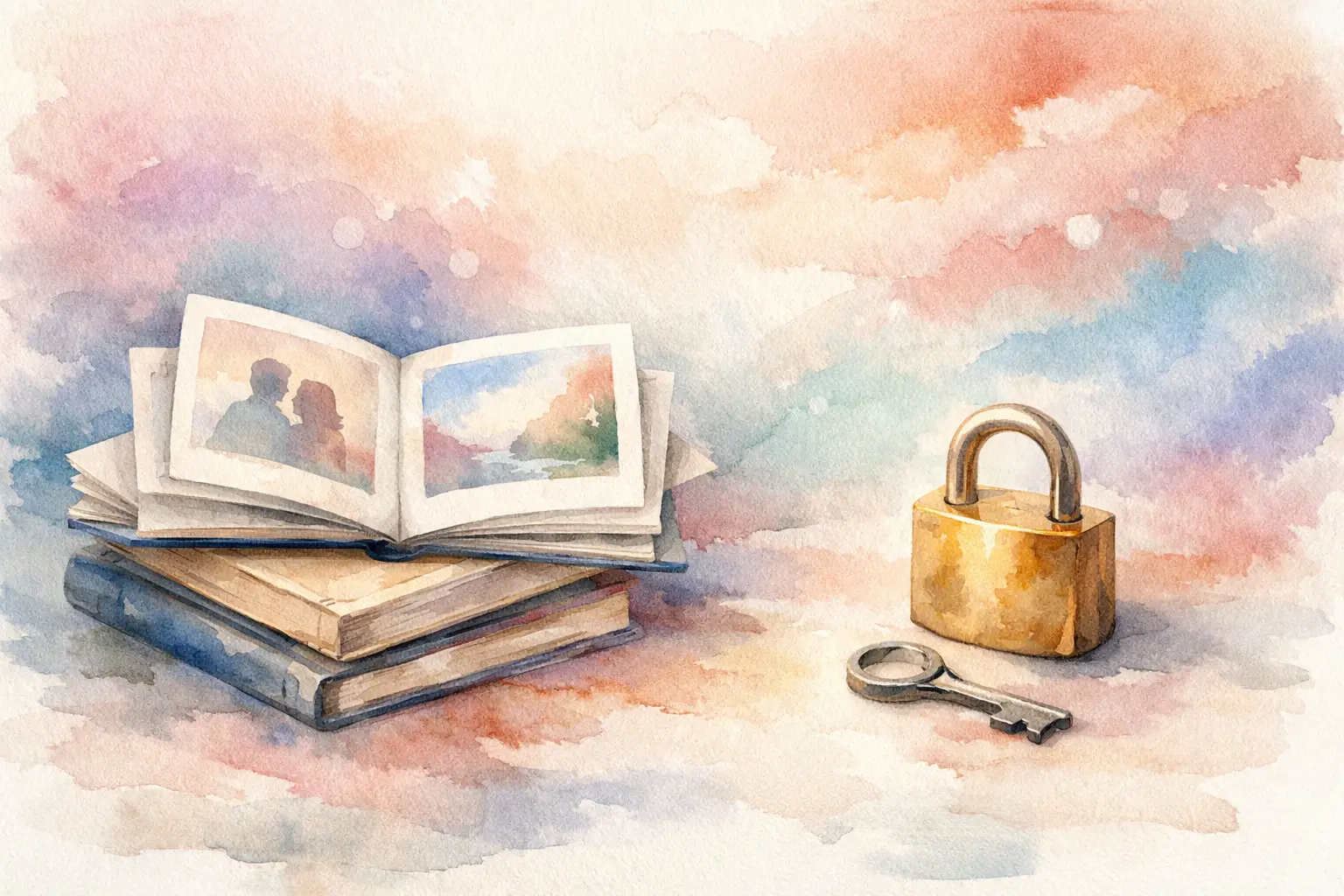
The group chat starts strong. A few good photos land in the first hour, someone promises to upload the rest later, and then your birthday, wedding weekend, or team offsite gets scattered across five phones, two social apps, and one person who never sends anything. Privacy usually gets treated the same way - vaguely, optimistically, and a little too late.
So, are private event albums safe? Sometimes, yes. But “private” is one of those words that sounds better than it performs unless the product behind it is built with real guardrails. A private event album can be a smart, low-stress way to collect photos from everyone. It can also be a mess if access is too loose, uploads are too exposed, or guests have to jump through weird hoops just to participate.
What matters is not the label. What matters is how the album works in real life, with real guests, real phones, and real oversharers.
What “private” should actually mean
A private event album should feel like a room with a guest list, not a public park with a polite sign out front. In practice, that means only invited people can view or contribute, and the photos are not searchable, publicly indexed, or casually discoverable.
That sounds obvious, but event sharing tools often stretch the word. Sometimes “private” just means the album is hidden from a public profile. Sometimes it means anyone with the link can get in. Sometimes it means the album is technically restricted, but guests are pushed to create accounts, use social logins, or hand over more personal info than they expected.
For most social events, safety starts with controlled access and low friction. Those two things need to coexist. If access is strict but annoying, guests won’t use it. If access is easy but sloppy, the album stops being private in any meaningful way.
Are private event albums safe when links get shared?
This is the first real test. Many event albums are “private” because they rely on a unique link or QR code. That setup can work well, especially for weddings, birthdays, reunions, and brand events where lots of people need to join fast. But it comes with a trade-off.
A link is only private as long as the people who receive it treat it that way. If a guest forwards it beyond the group, posts the QR code publicly, or drops it into the wrong chat, access can spread fast. That does not automatically make link-based albums unsafe. It just means the platform needs extra controls around who can join, what they can do, and whether access can be limited by timing or event settings.
For example, a private album is more trustworthy if the organizer can close submissions after the event, restrict visibility to participants, or control when the gallery becomes viewable. Timed reveal features can help here. They create a shared moment while reducing the chances of live-event oversharing, especially at more intimate gatherings.
The safest setup is usually one that keeps joining simple but gives the host clear control once everyone is in.
The real privacy risks aren’t always dramatic
Most people imagine a worst-case scenario: a total stranger accessing wedding photos or private family moments leaking online. That can happen, but more often the risk is smaller and more common.
It might be a guest uploading photos that were meant to stay off-camera. It might be someone sharing screenshots outside the group. It might be an album platform collecting more data than guests realize. It might be poor moderation tools, no way to remove unwanted uploads, or no visibility into who has access.
That is why album safety is not just about blocking hackers. It is also about social privacy. Who can join? Who can view? Who can upload? Who can remove images? Can the host step in quickly if something feels off?
A good private album product respects the way events actually work. Not every guest reads instructions. Not every photo should live forever. Not every participant wants to create an account just to drop in a few shots from the dance floor.
What to check before you trust a private event album
If you are deciding whether a platform is safe enough for your event, skip the vague promises and look at the mechanics.
Start with access. Can only invited guests get in, or does the album rely on an open link that can travel anywhere? Open links are not inherently bad, but they should come with limits and clear host control.
Then look at participation. App-free, account-free joining is great for turnout, especially with big groups. But convenience should not mean chaos. The best products reduce friction without turning the album into a free-for-all.
You also want control over visibility. Can guests see photos immediately, or is there an option to reveal the gallery later? Delayed viewing can be more than a fun gimmick. It can reduce distraction during the event and keep the experience contained until the host is ready.
Removal tools matter too. If someone uploads the wrong image, posts something embarrassing, or includes a guest who asked not to be photographed, can the organizer remove it fast? If the answer is unclear, that is a problem.
And then there is data handling. Most guests are not reading privacy policies at cocktail hour, but hosts should still care whether the platform asks for unnecessary personal data or makes participation feel more invasive than the event itself.
Why ease of use affects safety
This is where a lot of platforms get it backward. They add friction in the name of security, then watch participation collapse. Guests forget passwords, skip downloads, or plan to upload later and never do. The result is fewer photos, more chasing, and a return to the least private method of all: random texting and social posting.
A smarter approach is controlled simplicity. Let people join instantly. Let them contribute without ceremony. Then put the privacy controls where they belong - with the host and the event settings.
That balance matters because behavior is part of security. If the official album is annoying, people route around it. They make side chats. They airdrop pictures to whoever is nearby. They post Stories because it is faster. Suddenly the “safe” option becomes the one nobody used.
This is part of why QR-based event albums have become more appealing. They meet guests where they already are, on their phones, in the moment, without making them do admin work during a party.
Are private event albums safe for weddings, parties, and work events?
Usually, yes - but the risk profile changes by event type.
For weddings and family events, the concern is often emotional privacy. You want candid photos from the people you love, but not public distribution, awkward tagging, or random outsiders peeking in. In that case, a private album works best when access is invitation-based and the host can manage what stays in the gallery.
For birthdays, vacations, and reunions, the main issue is usually casual oversharing. These are the events where guests are having fun, moving fast, and not thinking much about boundaries. Safety here is less about technical complexity and more about having a contained space that is easier than posting publicly.
For company events and brand activations, privacy gets more layered. There may be internal content, attendee consent concerns, or brand-use considerations. A private event album can still work well, but organizers need stronger control over who participates and how images are accessed after the event.
In all three cases, the safest platform is the one that fits the social reality of the room.
A private album is only as safe as its design
Private event albums do not need to be perfect to be useful. They need to be intentional. Good design makes safe behavior feel natural. Bad design makes privacy everybody’s personal responsibility, which usually means it gets ignored by the second drink.
That is why features like simple QR entry, controlled participation, high-resolution uploads, and timed gallery reveals are not just nice extras. They shape how people behave. They make it easier to keep photos in one place, shared with the right people, at the right time.
Revel leans into that idea. Capture together. Reveal together. The point is not just collecting more photos. It is collecting them in a way that feels fun for guests and manageable for the host.
If you are asking whether a private event album is safe, you are already asking the right question. Just do not stop at the word “private.” Look at who gets in, what guests have to do, what the host can control, and how the album behaves when real people use it. The best event photo setup should make sharing feel easy and boundaries feel built in.
A writer interested in connection, memory, and the everyday moments that matter more than we realize.
Tags: Private shared album , Private gallery , Private album