The Science of Cinematic Color
Have you ever wondered why big-budget Hollywood movies look so incredibly polished, even when they are just showing a simple conversation in a dimly lit room? It is not just the expensive cameras. The secret lies in a color theory trick that filmmakers have used for decades to make characters pop off the screen. By pushing cool, oceanic teal tones into the shadows and pulling warm, sun-kissed orange tones into the highlights, they create a natural visual contrast. This color-splitting technique mimics how our eyes naturally perceive depth, making every frame feel instantly three-dimensional and intensely professional.
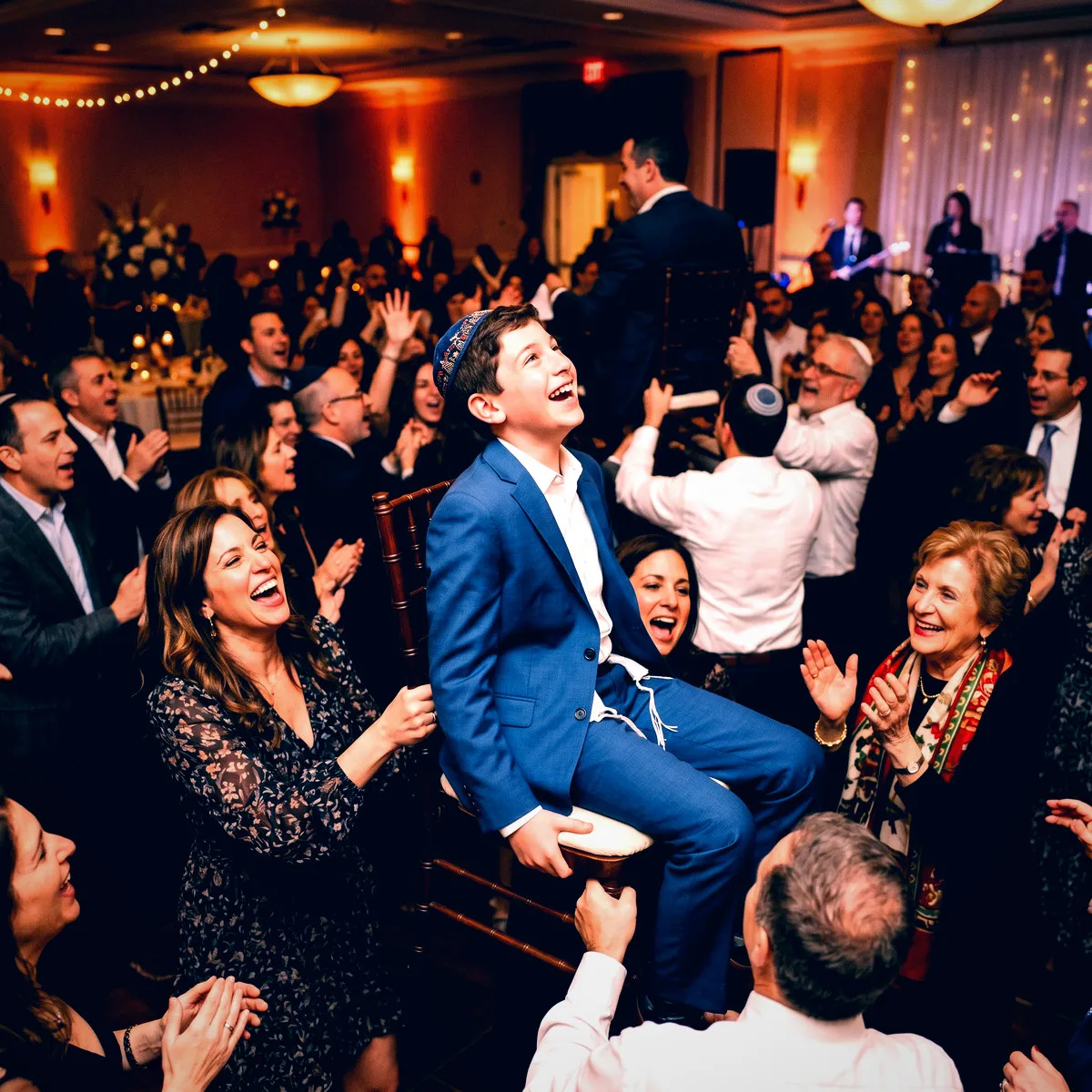
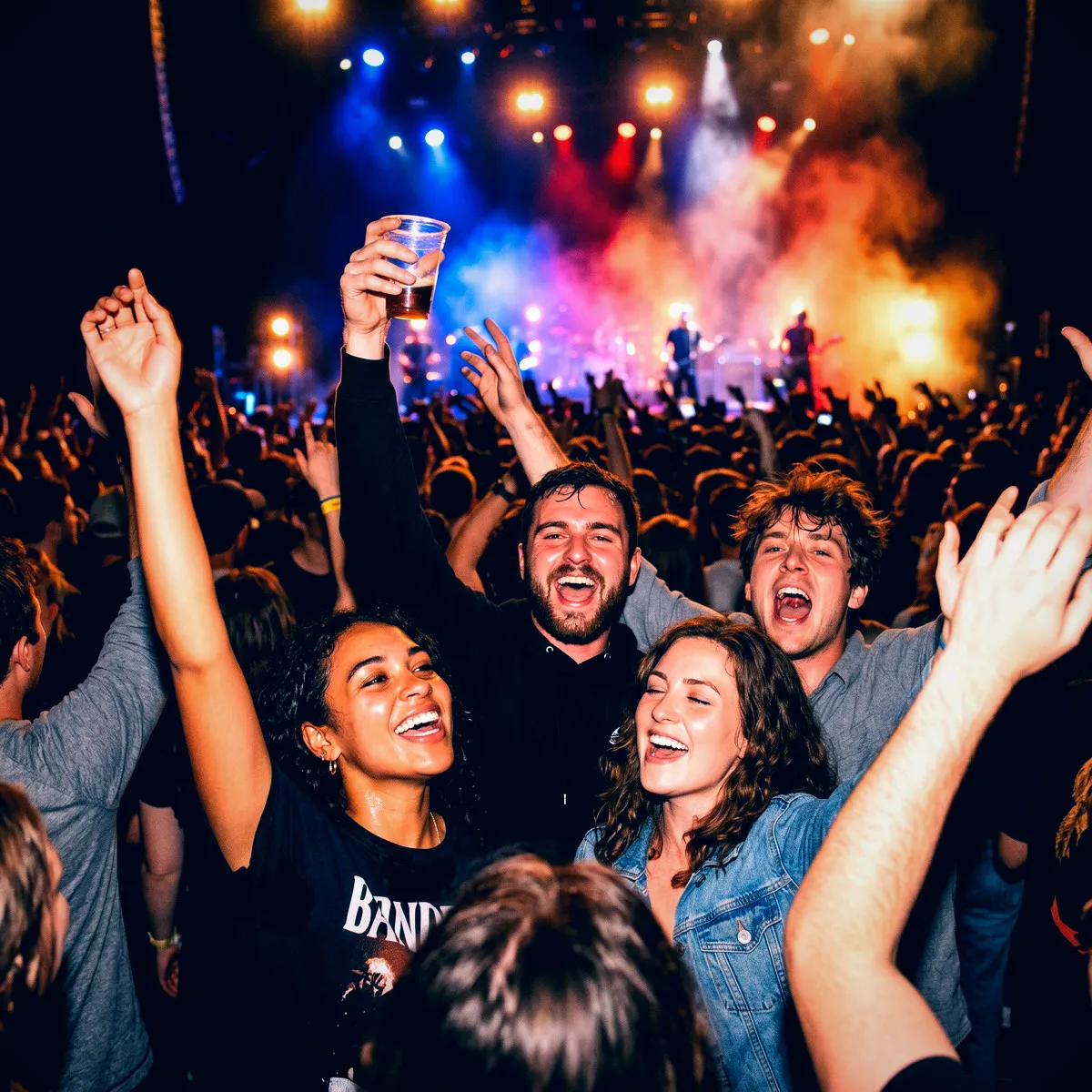
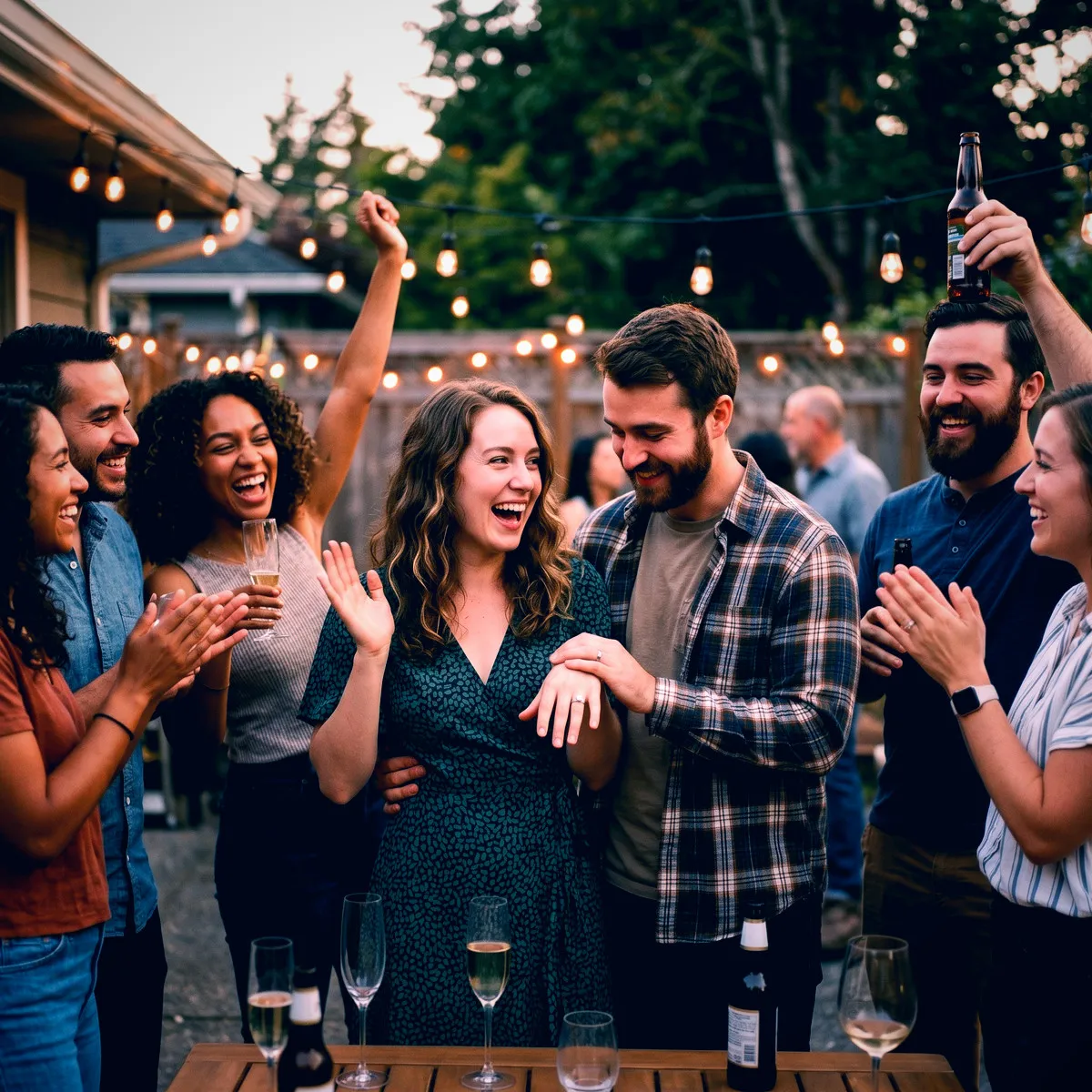
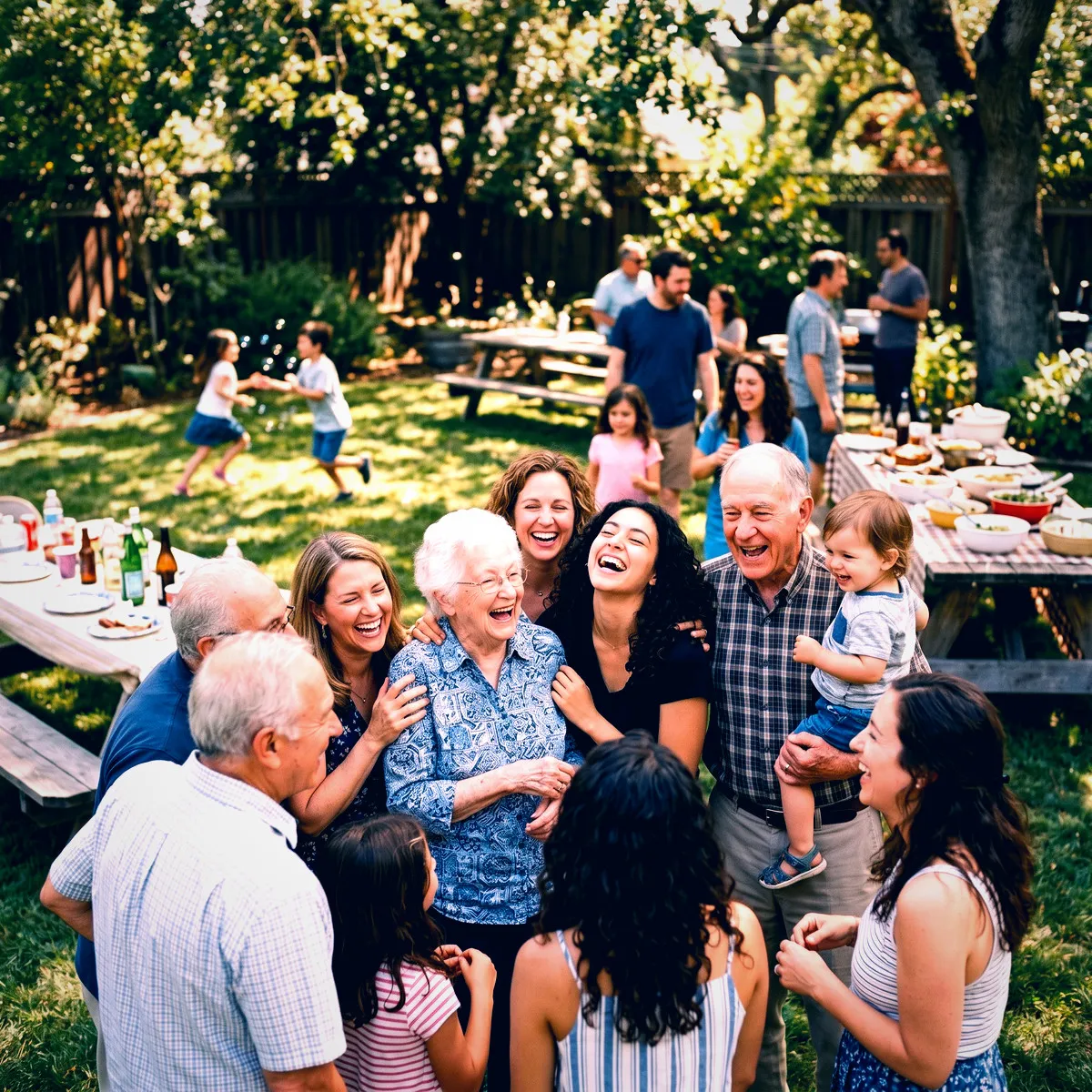
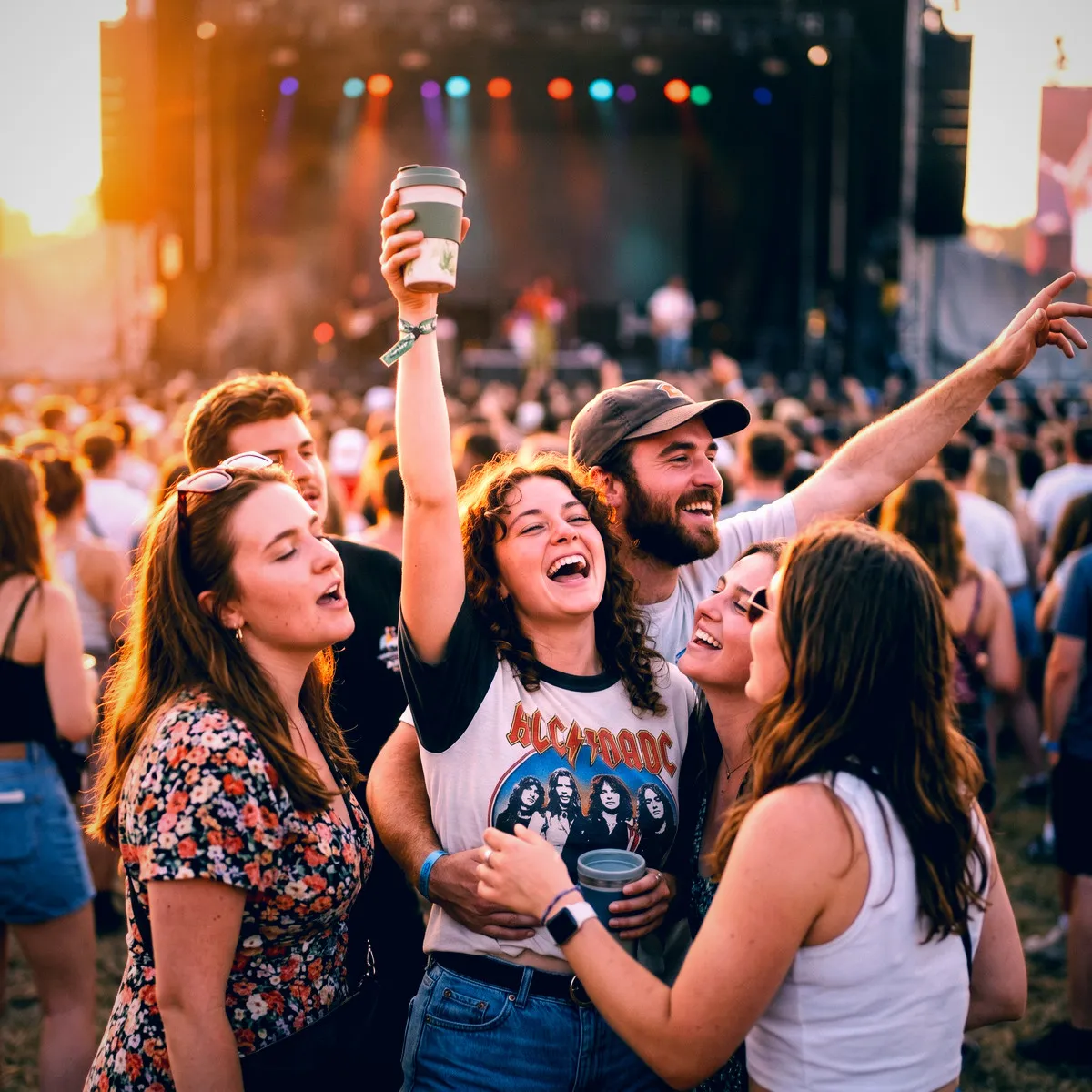
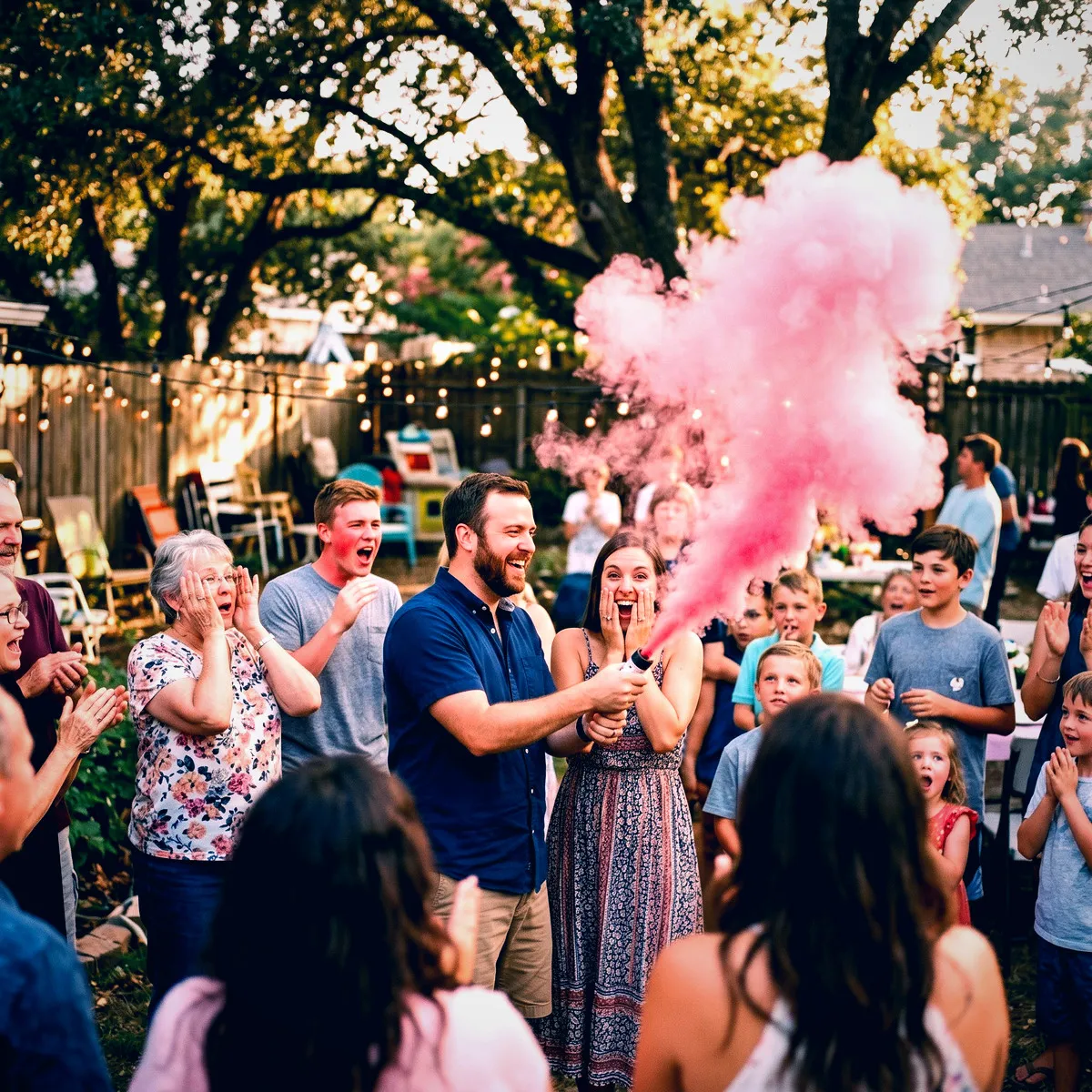
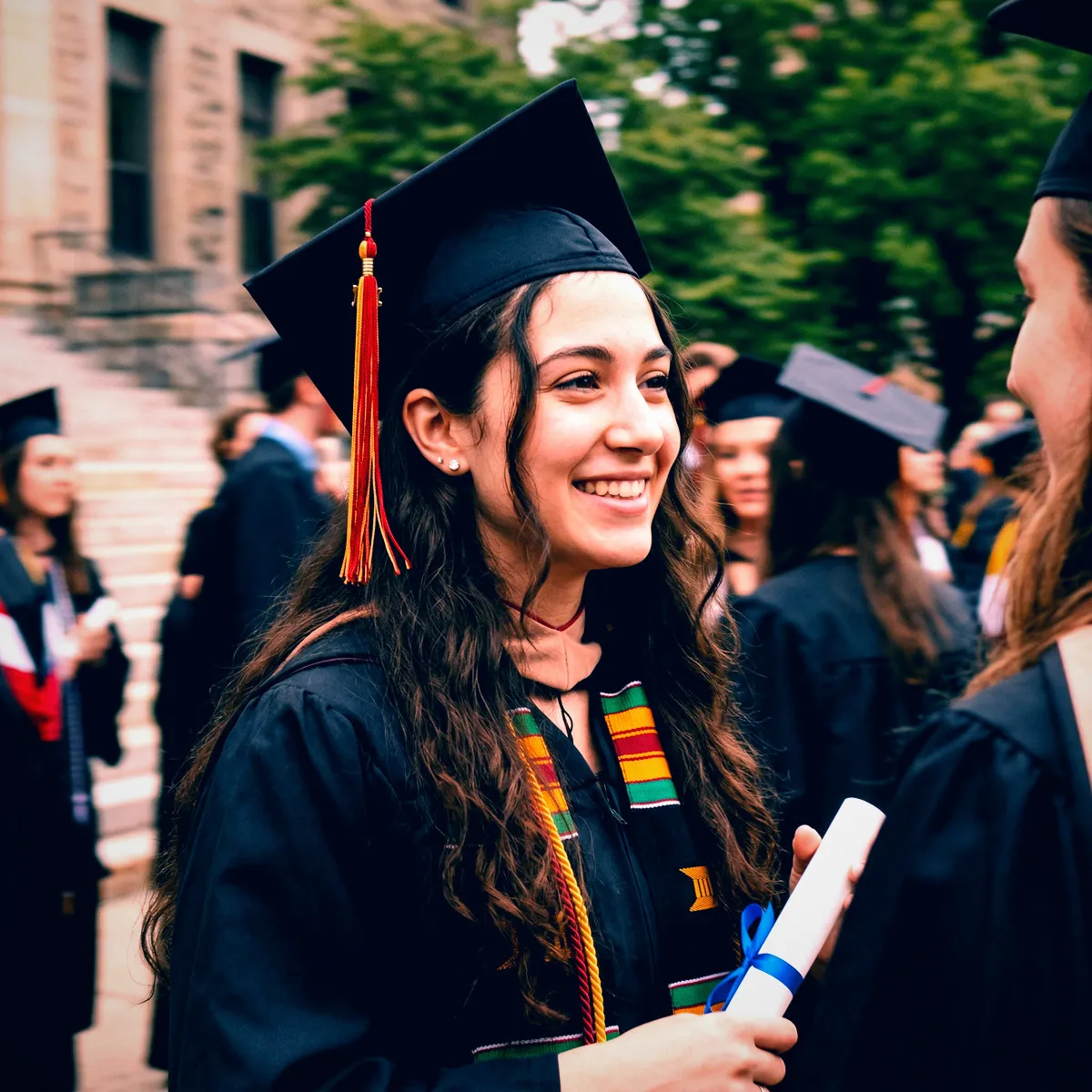
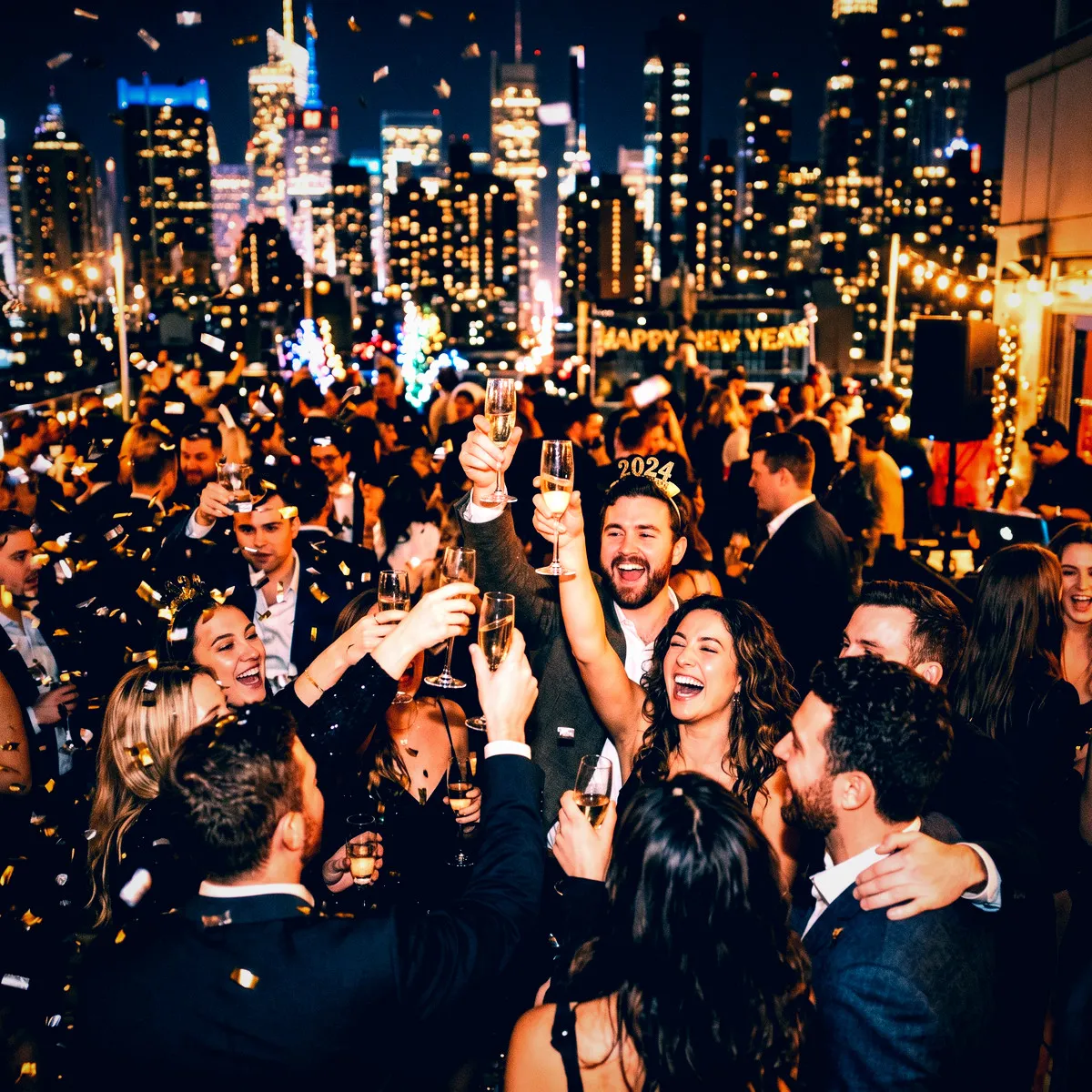
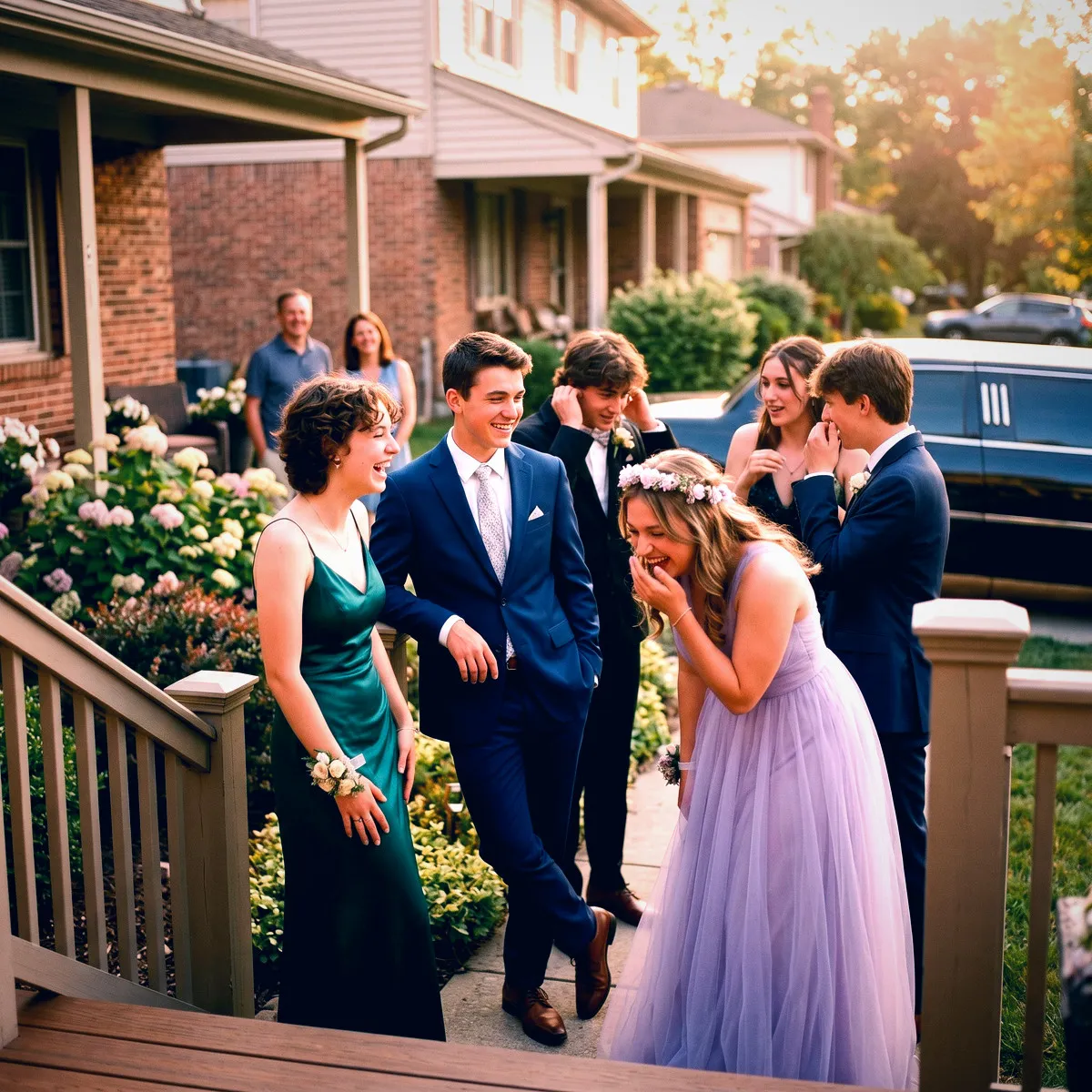
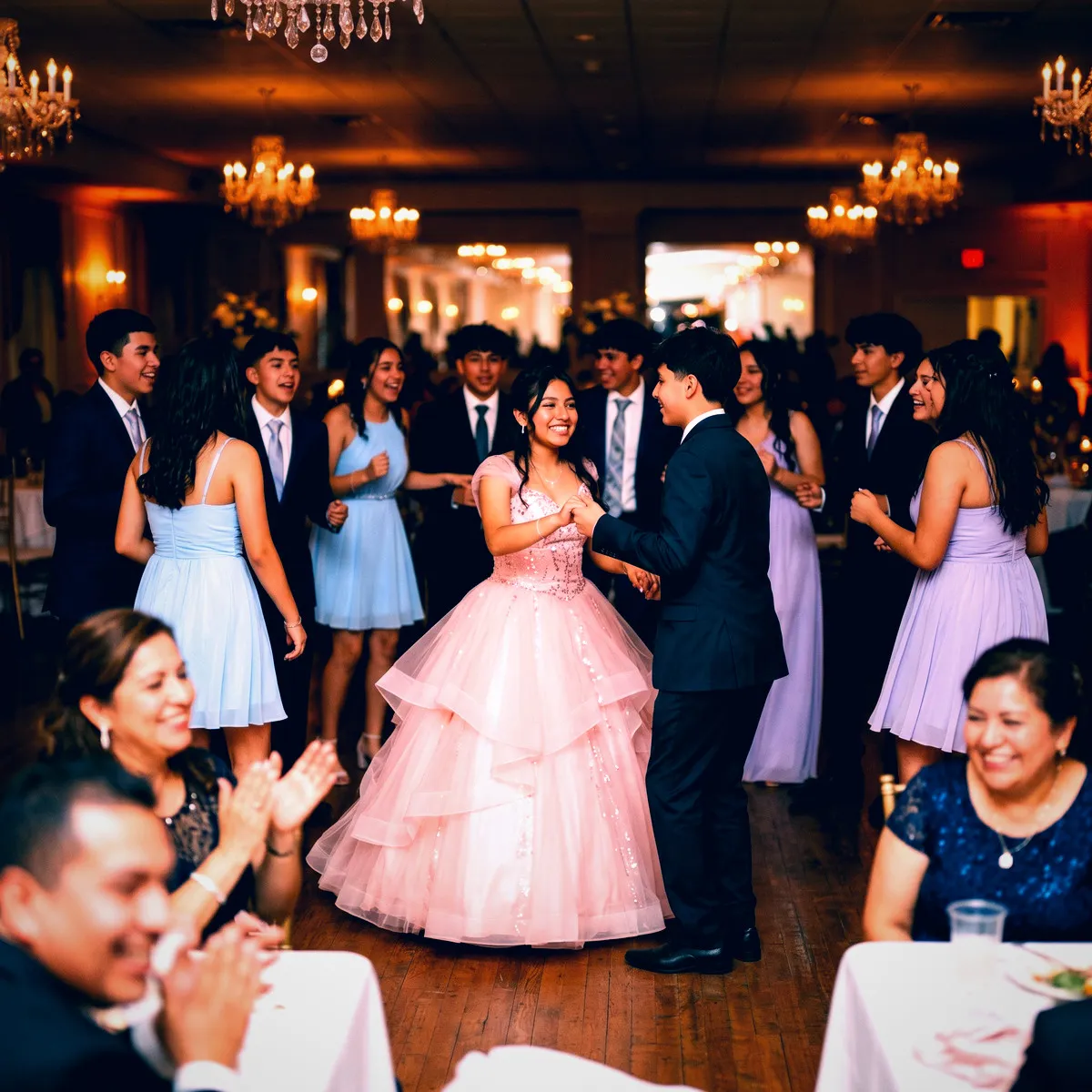
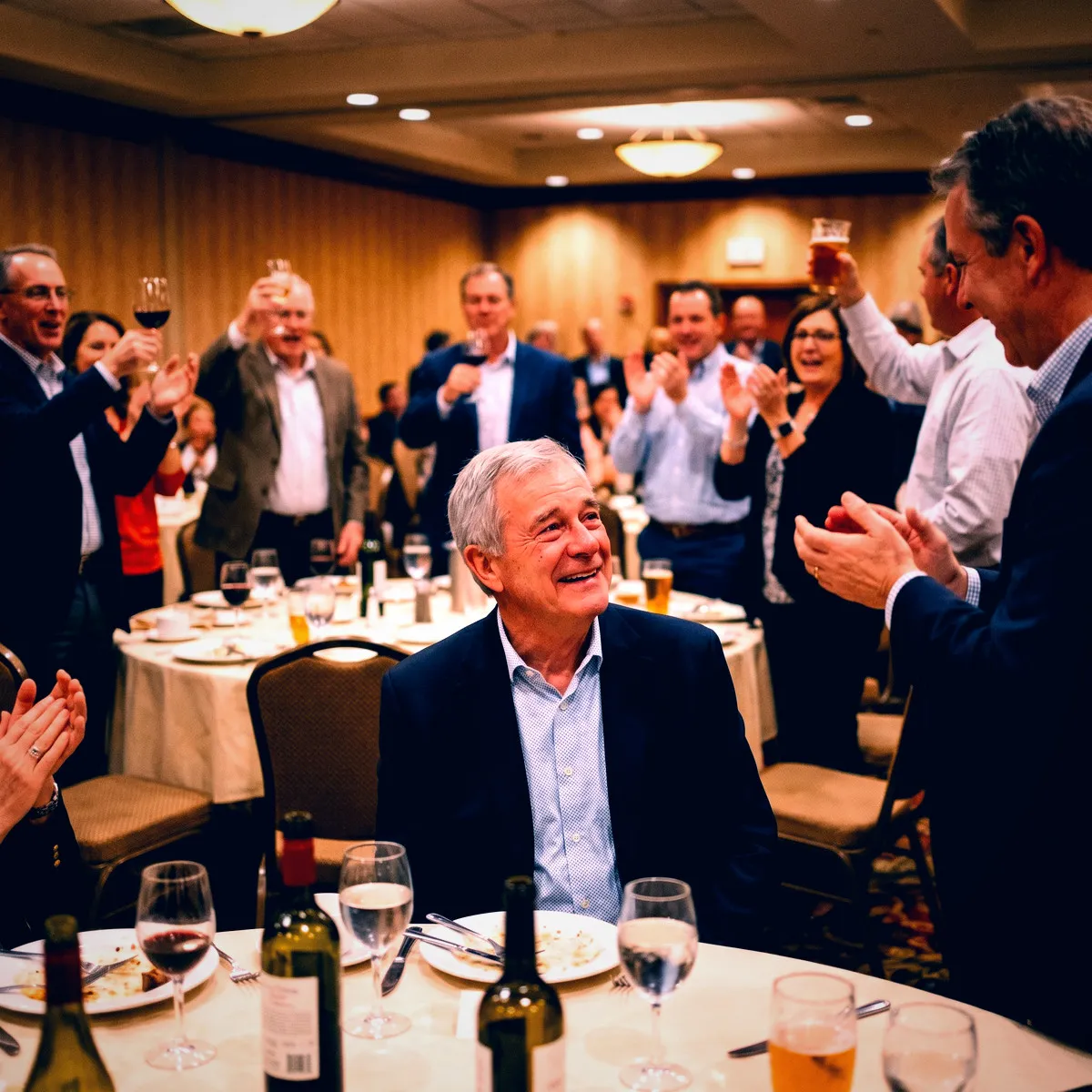
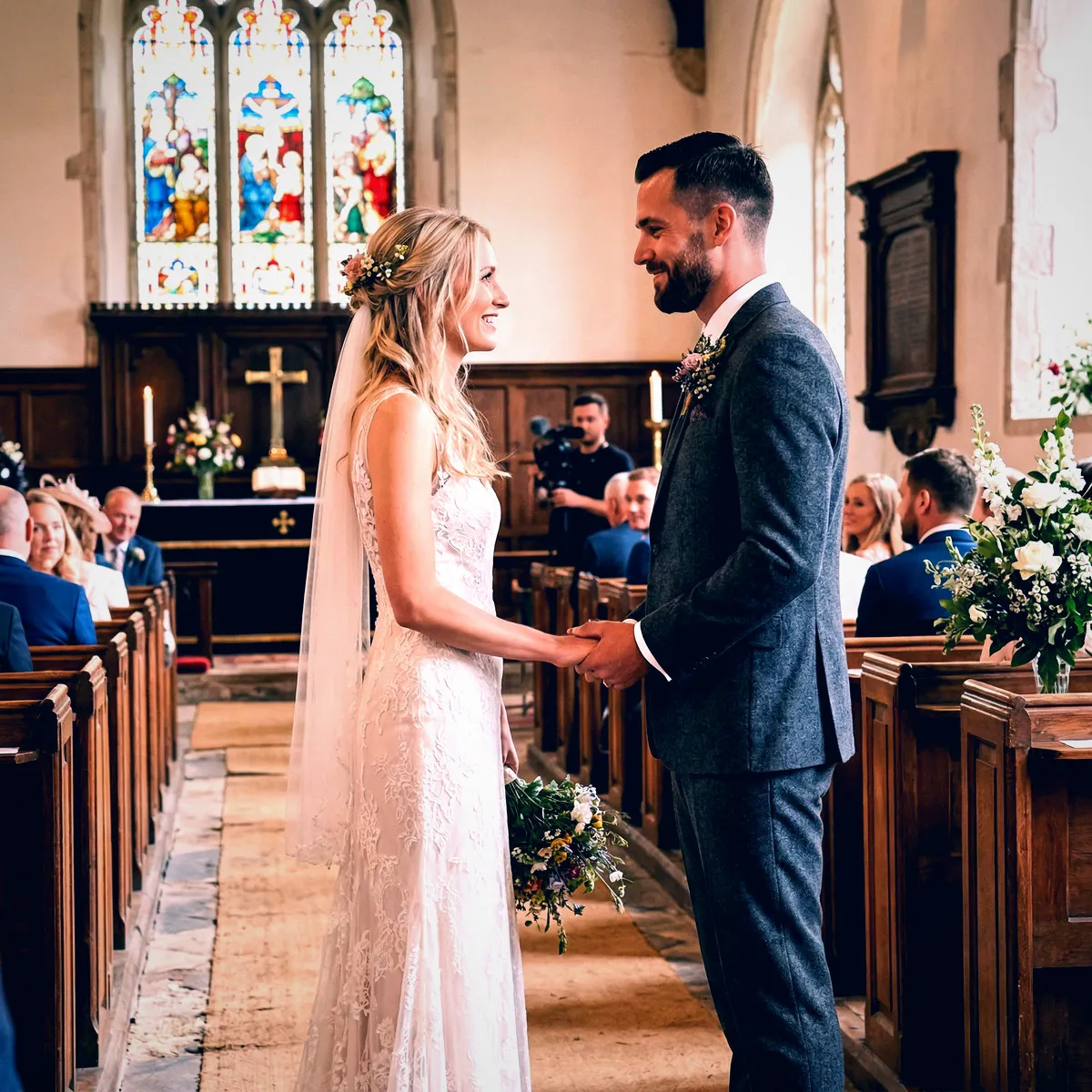
When your guests scan the QR code to join your Revel Moment, this same Hollywood magic is applied to every single photo they snap. Instead of the flat, sterile look of a standard smartphone camera, the Teal & Orange filter automatically separates the background from the foreground. It wraps your guests in a healthy, golden-hour glow while cooling down the ambient environment behind them. This means skin tones always look exceptionally warm, rich, and flattering, while the shadows in the background take on a moody, stylized depth. It is like having a professional colorist working behind the scenes on every snapshot.
This clever color separation does something magical to casual candid shots. A simple photo of a friend laughing by the bar or a quick selfie on the dance floor suddenly looks like a high-production movie still. By emphasizing these complementary opposites on the color wheel, the filter highlights what matters most: the people at your event. It elevates ordinary party moments into cinematic memories, ensuring that your collaborative photo roll is filled with striking, magazine-worthy imagery.