Private Party Gallery Setup Guide Guests Use
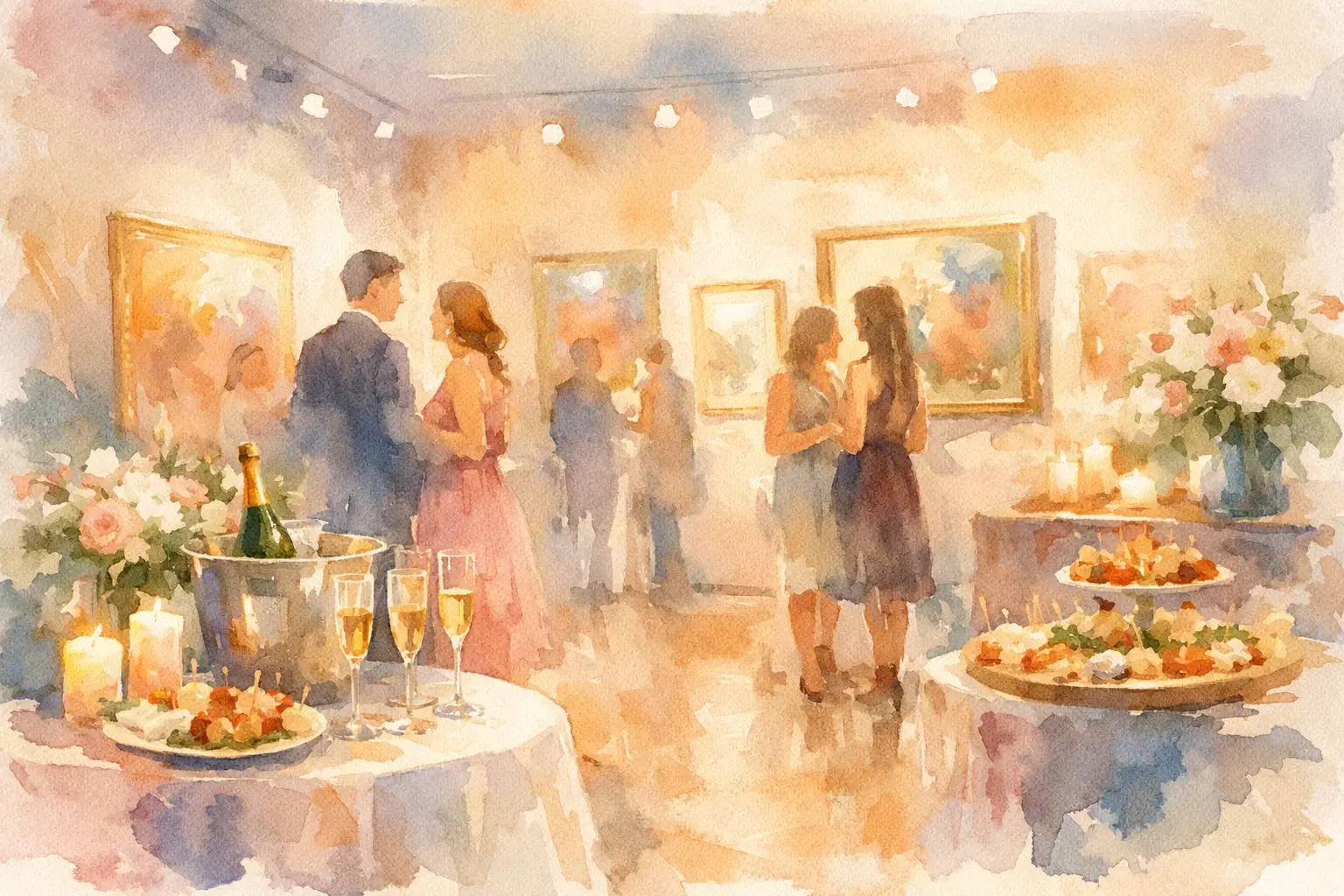
The best party photos are rarely the ones people plan. They are the blurry laugh across the dinner table, the friend who arrived with a ridiculous gift, the dance-floor moment nobody remembers clearly but everyone wants to see. This private party gallery setup guide is about making sure those photos actually land in one place, instead of disappearing into camera rolls, group chats, and promises to “send them later.”
A private gallery should feel like part of the party, not another task on the host’s checklist. Guests scan, shoot, and get back to celebrating. You get the full story of the night from every angle.
Start with the guest experience, not the gallery settings
Most photo-sharing plans fail for one simple reason: they ask too much of people at the wrong time. A shared folder link sent after the party arrives when everyone is tired, busy, or already sorting through dozens of screenshots. An app download at the door creates the same problem in a different outfit.
Set up your gallery around the moment guests are most likely to participate: when they first arrive, when the energy shifts, or when something fun is happening. A QR-based gallery works especially well because guests can join from their phones without creating an account. Scan it. Start capturing.
Before you send anything out, decide what you want the experience to be. Is this a wedding weekend where guests contribute throughout several days? A birthday where you want messy, candid snapshots? A baby shower where you want sweet photos from every table? The answer affects how long the gallery stays open, whether photos appear immediately, and how much direction guests need.
For a more intimate event, a delayed gallery reveal can be the move. Everyone contributes in the moment, then sees the full collection together later. For a company party or brand activation, an open gallery may make more sense if the goal is fast social proof and post-event content.
Build your private party gallery before invitations go out
The gallery itself only takes a few minutes to create. The magic is in giving it a clear identity and placing the join code where people will naturally see it.
Name it like it belongs to the party
Skip generic names like “Sarah’s Party Photos.” Give the gallery a name with some personality: “Taylor Turns 30,” “The Lake House Weekend,” or “One Last Night Before the Baby.” It helps guests immediately understand what they are joining and makes the final collection feel more like a keepsake.
Choose a cover image or event visual that fits the vibe. It does not need to be polished. A favorite photo of the guest of honor, a throwback picture, or a simple event color can do the job. The point is recognition, not graphic design perfection.
Set a participation window that matches real behavior
Open the gallery before guests arrive if you want travel photos, getting-ready shots, and early setup details. Keep it open through the party, then leave a little breathing room afterward for late uploads and photos from people who were busy hosting, bartending, or dancing.
For most private parties, opening the gallery a few hours before the event and closing it the next day is enough. A weekend trip needs longer. A two-hour surprise party can be tighter. There is no prize for keeping a gallery open forever. A defined window gives the experience momentum.
Decide whether photos should appear right away
An instant gallery is great when people want to see the night build in real time. Think graduation parties, retreats, or a casual backyard hang where guests will check in between snacks and games.
A timed reveal creates a different kind of payoff. Guests capture without curating every frame, and the group gets the surprise later. That works beautifully for weddings, milestone birthdays, and any party where you want the camera to feel a little more like a disposable camera than a social feed. Revel’s limited-shot and delayed-reveal format is built for exactly this kind of collective anticipation.
Make joining impossible to miss
A QR code only works if people see it at the moment they can act on it. One tiny sign in a corner of the bar is not a setup strategy. It is wishful thinking.
Put the code in at least three high-traffic places: at the entrance, near drinks or food, and where people gather for the main activity. For a dinner party, place a small card on the table. For a birthday, put it beside the cake or photo backdrop. For a house party, put it near the speaker, snacks, or bathroom mirror - somewhere guests will actually pause.
Use clear copy beside the code. “Scan to add your party pics” is better than “Photo Gallery.” Better still: “No app. No login. Scan, shoot, party.” Guests should know in one glance that this will be easy.
Your invite is also prime real estate. Include the code or a simple note before the event so people know there will be a shared photo gallery. Do not rely on the invite alone, though. People forget. The physical cue at the party does the heavy lifting.
Give guests a reason to take more than one photo
People naturally take photos of the guest of honor and their closest friends. Your gallery gets much better when guests are prompted to capture the parts nobody else sees.
A short sign or verbal announcement can change the whole mix. Ask for “your view of the party,” not just posed pictures. Call out the getting-ready chaos, best outfit, worst dance move, unexpected reunion, or funniest thing overheard. These prompts make contribution feel playful instead of performative.
If you are using a digital disposable camera format, a shot limit helps too. It sounds counterintuitive, but fewer shots can lead to more intentional, more interesting photos. Guests stop documenting every plate and start catching the moment worth saving. The trade-off is simple: use limited shots for personality and surprise; leave room for more photos when the event includes key moments you do not want missed, like speeches or a first dance.
You do not need to announce the gallery five times. One welcome mention, one reminder before the main moment, and visible QR signs are usually enough. The goal is a gentle nudge, not a compliance training session.
Protect the party’s privacy without making it awkward
A private gallery should stay private by default. Only invite the people who belong in the room, and be clear about what the gallery is for. This matters even more for family events, workplace gatherings, and parties with kids.
If you are hosting a company event, clarify whether the gallery is just for attendees or whether selected images may be used later by the team. If it is a personal celebration, keep the message lighter: “These are for our crew, not the group chat’s group chat.” A little clarity prevents someone from wondering where their photo might end up.
Also think about access after the party. A gallery that remains available gives guests time to revisit the memories, save favorites, and finally see the moments they missed while they were living them. But if the event is sensitive or especially personal, set a clear viewing period and let attendees know.
Plan for the small things that can break participation
The biggest setup wins are often boring, which is exactly why they matter. Test the QR code with a phone before guests arrive. Print it large enough to scan from a comfortable distance. Make sure the event space has usable signal or Wi-Fi, especially in basements, outdoor venues, and crowded bars.
Offline capture can help when connectivity is spotty, but it is still smart to tell guests where the best signal lives. If your party has multiple rooms or an outdoor area, place signs in more than one location. Nobody should have to walk back to the entrance just to figure out how to join.
Assign one friend, sibling, or co-host as the unofficial photo hype person. This is not someone who manages the whole gallery. It is simply the person who says, “Wait, did you scan the code?” before the cake comes out. That tiny reminder can double the number of perspectives you collect.
Let the reveal do the emotional work
The party may end at midnight, but the shared memory does not have to. When the gallery opens, send one short message that makes people want to look: “The evidence is in.” Or: “You were there. Here is what you missed.”
The best galleries bring back the feeling, not just the faces. They show the host what happened while they were greeting everyone. They give the friend who left early a second chance at the best part of the night. They turn a scattered collection of phone photos into one shared version of the memory.
Set it up simply, put the code where the fun is, and give people permission to be a little unfiltered. The party will take care of the rest.
A writer interested in connection, memory, and the everyday moments that matter more than we realize.
Tags: Private gallery , Private shared album , Private album , Private event