How to Run a Photo Reveal That Guests Love
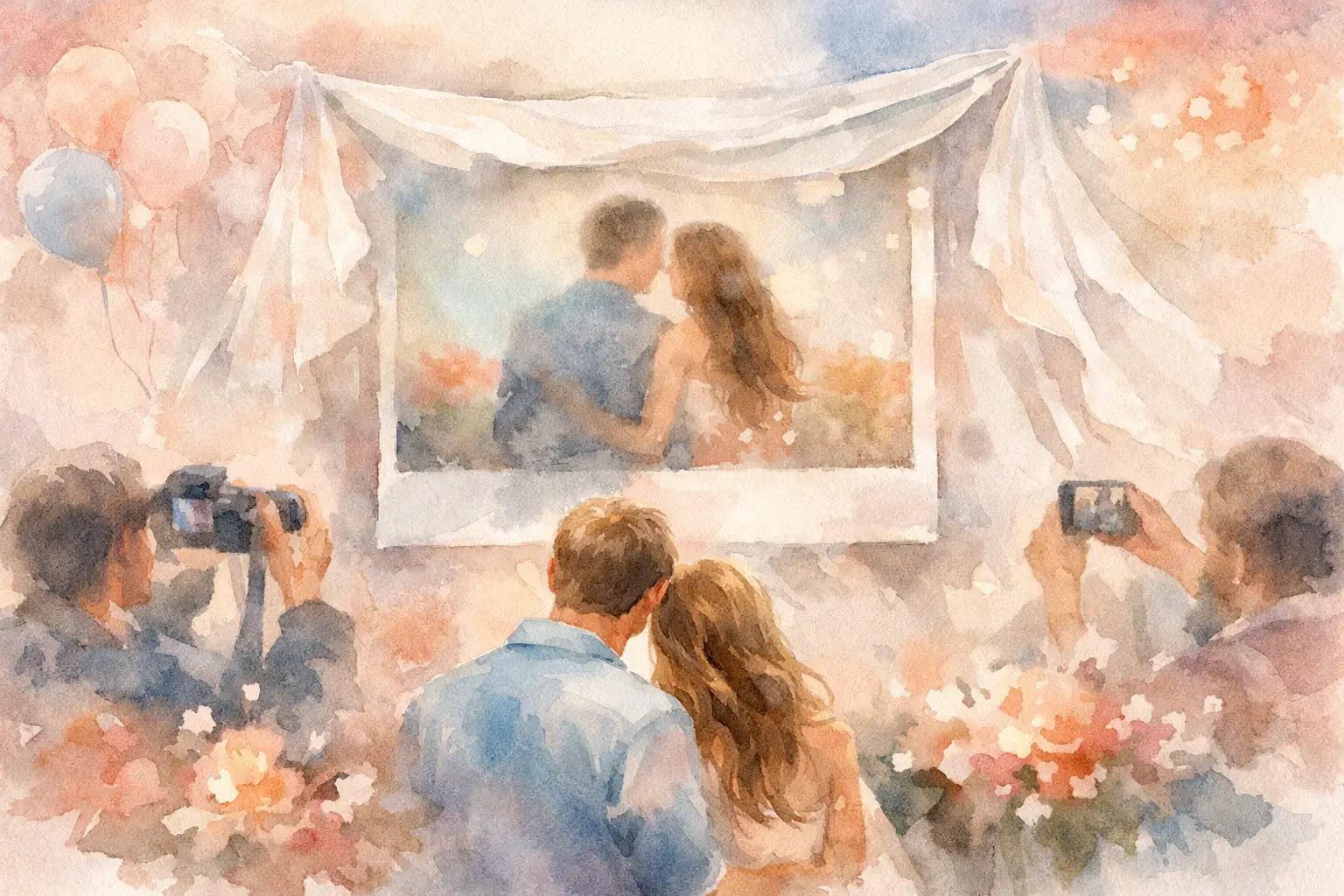
The best part of a photo reveal is not the gallery itself. It’s that split second when everyone sees the night through everyone else’s camera roll at once - the blurry dance floor shots, the table selfies, the tiny moments you missed while you were busy hosting. If you’re figuring out how to run a photo reveal, the goal is simple: make it easy to contribute, fun to wait, and worth showing up for.
A good reveal turns photo-sharing into part of the event experience, not an admin task you deal with later. That matters because most events have the same problem. Photos end up trapped in text threads, half-posted to Instagram, or forgotten in someone’s camera roll forever. The reveal fixes that by giving guests one shared destination and one shared payoff.
What makes a photo reveal actually work
A photo reveal only works when people participate. That sounds obvious, but it’s where most setups fall apart. If guests have to download an app, make an account, remember a password, or upload images after the event, contribution rates drop fast. People mean well. They just do not want homework after a wedding, birthday, vacation, or company offsite.
The strongest reveals remove friction upfront. Guests should be able to join in seconds, take photos naturally during the event, and know those photos will appear later when the gallery opens. That delayed access is what creates anticipation. It gives the photos a second life.
There’s also a balance to strike between spontaneity and control. Too little structure, and the gallery feels random. Too much structure, and guests stop engaging. The sweet spot is simple instructions, low effort, and a clear reveal moment everyone understands.
How to run a photo reveal from start to finish
Start with the kind of event you’re hosting. A wedding reveal feels different from a brand activation or a birthday dinner, but the mechanics are similar. You need a capture method, a participation prompt, a reveal time, and a reason for guests to care.
Before the event, decide what role the reveal plays. Is it the main way guests share photos? Is it a fun add-on to professional photography? Is it a post-event surprise for a team or friend group? Your answer shapes everything from the timing to the messaging.
If the event is social and personal, lean into nostalgia and surprise. If it’s professional, focus on simplicity and group participation. In either case, do not over-explain it. People get the concept quickly when it’s framed the right way: take photos now, see everything together later.
Step 1: Make joining ridiculously easy
This is where most of the win happens. The best setup is one guests can access instantly, ideally by scanning a QR code and joining without creating an account. The less friction there is at the start, the more photos you collect.
Put the code where people naturally look - entry tables, bar signs, dinner menus, welcome boards, screens, name tags, or event handouts. For smaller gatherings, a quick verbal prompt works too. For bigger events, repeat the prompt in more than one place. People arrive at different times and miss announcements.
Clarity beats cleverness here. Tell guests exactly what to do and exactly what they get. Something like: scan, snap, reveal later. Short. Memorable. No instructions buried in a paragraph.
Step 2: Give guests a reason to take photos now
A reveal works better when the capture experience feels distinct from everyday phone photography. That could mean limiting the number of shots, using nostalgic filters, or framing it like a digital disposable camera. Those small constraints make people more intentional, and honestly, more playful.
This matters because unlimited photo-taking can become invisible. Guests shoot everything and share nothing. A more guided format creates a sense of occasion. People feel like they’re contributing to a shared album, not just taking another picture for themselves.
For weddings and parties, encourage candids over posed shots. For team events, prompt table moments, behind-the-scenes clips, and group interactions. For vacations, tell everyone to capture what others might miss - side streets, snack stops, sunrise coffee, the weird little details that make the trip feel real.
Step 3: Build anticipation around the reveal
The reveal should feel like a moment, not just a folder becoming available. That means setting expectations early. Let guests know when the gallery will open and why it’s worth waiting for.
Timing depends on the event. A same-night reveal can work for birthdays, graduations, and company parties where everyone is still together. A next-day reveal fits weddings, baby showers, and longer celebrations where people want something to look forward to after the event ends. For vacations and retreats, the reveal often lands best on the final night or the day everyone gets home.
There’s no perfect rule. It depends on the energy you want. Faster reveals keep momentum high. Delayed reveals feel more cinematic. If your event already has a packed schedule, waiting until the next day usually gives the gallery more room to land.
How to run a photo reveal without killing the vibe
The worst photo-sharing systems ask guests to stop having fun so they can manage content. A good reveal does the opposite. It sits in the background while the event happens, then turns into a payoff later.
That means your prompts should be light-touch. Mention it early, remind people once or twice, then let them run with it. If you keep pushing, it starts to feel like work. If you never mention it again, people forget. The middle ground wins.
It also helps to tailor the reveal to the crowd. Gen Z guests usually need less explanation and more visual cues. Family-heavy events may benefit from a host announcement and visible signage. Corporate groups often need one clean reason to care: everyone’s photos in one place, no chasing afterward.
Common mistakes that make reveals flop
One mistake is making participation optional in a vague way. If you say, “Upload your photos if you want,” most people won’t. If you say, “Scan this now so we can all see the night from every angle later,” that lands differently. It feels collective.
Another mistake is relying on post-event effort. The longer the gap between taking a photo and contributing it, the fewer photos you get. People leave, get distracted, and move on. Capture during the event is almost always stronger than asking for uploads later.
The third mistake is hiding the reveal timing. Guests need to know when the payoff happens. If there’s no clear reveal point, the experience feels unfinished.
What to say to guests
You do not need a big speech. You need one clean line that makes the whole thing click. Think: We’re building a shared album tonight - scan here, take your pics, and the gallery opens tomorrow. That’s enough.
If you want more energy, make it feel social. Tell people this is where the real party photos will live. Tell them the best candids come from guests, not just the designated photographer. Tell them everyone gets to see the event from angles they missed.
That emotional angle matters. People are more likely to participate when they know they’re helping create the memory, not just documenting it.
Picking the right tools for a photo reveal
If you’re choosing a platform, prioritize participation over feature overload. The essentials are simple guest access, no app requirement, fast uploads, broad phone compatibility, and a timed gallery reveal. Everything else is secondary.
For many events, a QR-based setup works best because it matches how people behave in real life. They see a code, scan it, and start. No downloads. No accounts. No friction spiral. That’s a big reason platforms like Revel work well for weddings, birthdays, vacations, and team events - they keep the capture flow light while still giving you the reveal moment people actually remember.
You should also think about scale. A casual dinner with 15 people has different needs than a 200-person wedding or a branded event with rotating guests. If your crowd is large, the system has to hold up without extra hand-holding. If your venue has spotty service, offline capture syncing becomes a real advantage, not a nice extra.
When a photo reveal is worth it
Not every event needs one. If the gathering is tiny and everyone already shares in the same group chat, a formal reveal may be overkill. But once you have multiple friend groups, family circles, teams, or guest lists mixing together, the reveal starts making a lot more sense.
It works especially well when the event matters emotionally and socially. Weddings, birthdays, reunions, baby showers, graduation weekends, company offsites, and brand activations all benefit because people want both the memories and the shared experience afterward.
That’s really the point. A photo reveal is not just about storage. It’s about giving the event one more beat after it ends - one last laugh, one last surprise, one more reason for everyone to feel like they were part of the same story.
If you set it up so guests can join fast, contribute in the moment, and look forward to the reveal, the photos stop being scattered leftovers and start feeling like the event’s final scene.
A writer interested in connection, memory, and the everyday moments that matter more than we realize.
Tags: Photo reveal , Guest photo capture , Guest photo sharing , Guest photo uploads , Guest photo album , Wedding guest photos