How to Create Event Photo Wall That Works
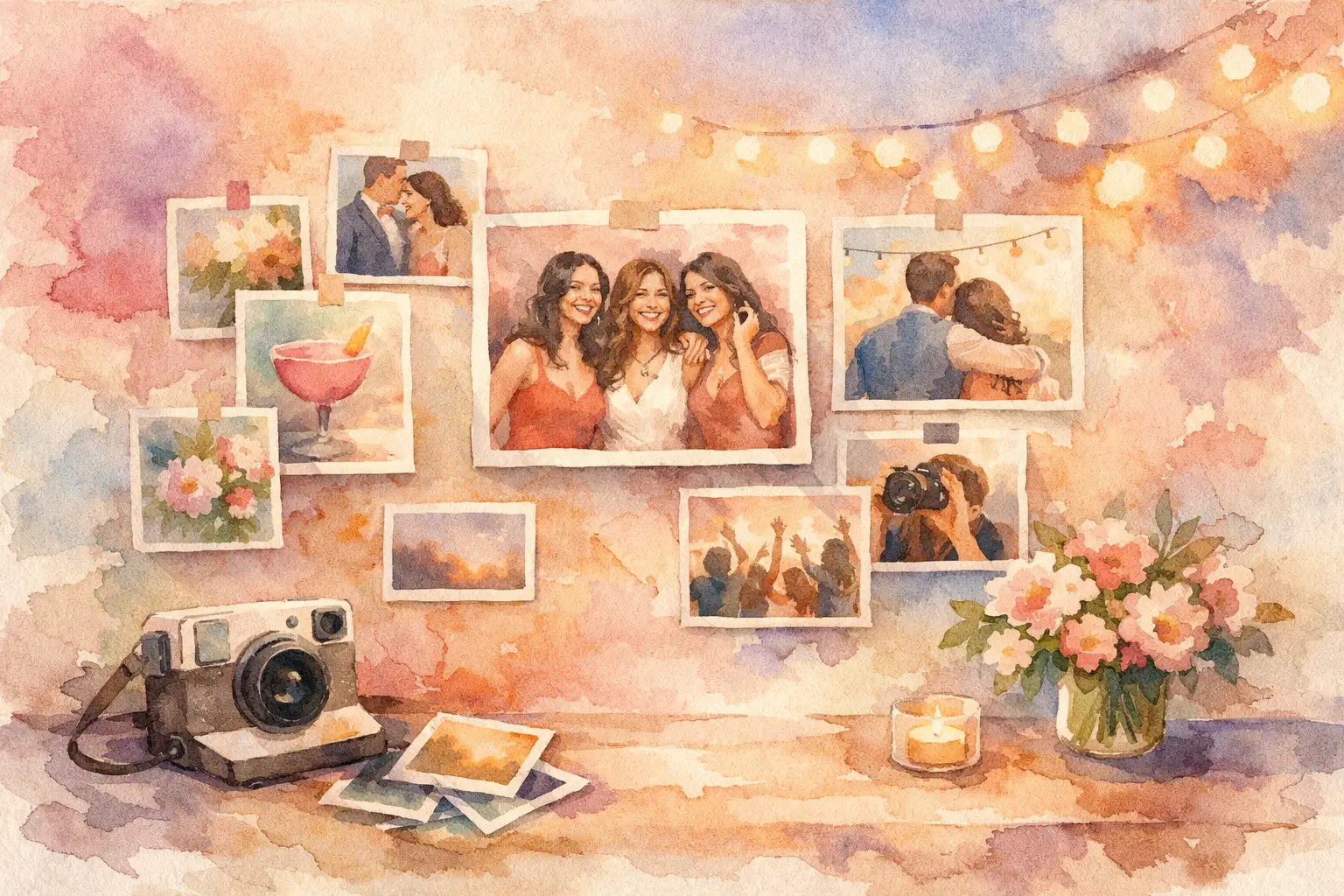
A photo wall can either be the most-used spot at your event or a very expensive piece of background decor. You’ve seen both. The difference usually isn’t the flowers, the lighting, or the custom sign. It’s whether people actually want to stop, pose, and share. If you’re figuring out how to create event photo wall setups that guests will genuinely interact with, you need more than a pretty backdrop.
The best photo walls do three jobs at once. They look good in pictures, make participation feel effortless, and help you collect the photos afterward without begging everyone in a group chat for uploads. That last part matters more than people expect.
Start with the moment, not the materials
Before you pick a backdrop color or order balloons, decide what role the wall is supposed to play. Is it a quick welcome moment at a wedding? A high-energy content station at a brand activation? A casual memory spot at a birthday dinner? Those are different jobs, and the setup should reflect that.
For social events, people usually want something flattering, easy, and a little playful. For corporate events or activations, the wall also needs to support branding, traffic flow, and content quality. If you skip this step, you end up copying a Pinterest idea that looks great empty and awkward once real people start using it.
A good rule is to build for behavior, not just aesthetics. Guests don’t care how long the installation took. They care whether it feels natural to walk up, take a photo, and move on without friction.
How to create event photo wall with the right backdrop
Your backdrop should read clearly on camera. That sounds obvious, but it’s where a lot of setups go sideways. Busy patterns can compete with outfits and faces. Reflective materials can create weird flash bounce. Very dark colors can make phone photos look muddy in dim venues.
If you want a safer bet, go with contrast and texture. Solid tones, soft draping, florals, fringe, wood paneling, or a clean step-and-repeat style all tend to work because they give photos structure without stealing the frame. If your event already has a strong visual identity, echo it here instead of introducing a whole new one.
Scale matters too. A wall that looks dramatic in a mockup may feel tiny once three friends squeeze into it. Make it wide enough for group shots, tall enough to avoid awkward cropping, and clean enough around the edges that the background still looks intentional from multiple angles.
This is also where budget trade-offs come in. A full custom install can be stunning, but a simpler setup with better lighting often performs better in actual guest photos. People remember the pictures, not the production invoice.
Lighting is what makes the wall usable
If the lighting is bad, the wall is bad. Harsh overhead venue lighting can flatten faces or create shadows under the eyes. Dim corners feel moody in person but disappointing on camera. And if guests need to use flash every time, photos start looking inconsistent fast.
Natural light is ideal if your event timing allows for it. Place the wall near a window or open space, but avoid direct backlighting that turns people into silhouettes. For indoor evening events, soft front-facing light works best. Ring lights can help, though they can also make the setup feel more staged than spontaneous. LED panels with diffused light usually feel cleaner and photograph more naturally.
Test it with an actual phone, not just your eyes. Take photos from a few heights and distances. Check skin tones, shadows, and whether text or branding is readable. What feels bright in the room can still look dull on a screen.
Placement decides whether anyone uses it
A beautiful photo wall hidden near the restrooms is not a photo wall. It’s storage with ambition.
Put it somewhere guests already pass through, but not where they’ll create a traffic jam. Near the entrance can work well if you want a first-impression moment. Near the bar can boost usage because people naturally gather there. Close to the dance floor can be great later in the event, especially once guests are more relaxed and willing to take group shots.
There’s an it depends factor here. If your event is formal and structured, a dedicated station makes sense. If it’s casual and social, the wall should feel more integrated into the flow. The goal is simple: low effort, high visibility.
Leave enough space in front of it. People need room to line up a shot, step back, and take group photos without bumping into chairs or centerpieces. If a guest has to work for the angle, they probably won’t bother.
Give guests a reason to participate
This is the part people skip. Even the best-looking wall needs a cue.
A short sign can help. So can a playful prompt that fits the event, like “Take one with your table,” “Get the full friend group,” or “First photo together, last dance later.” For weddings and birthdays, emotional prompts work well because they make the moment feel less performative. For brand events, a more direct call to action can make sense, especially if content is part of the point.
You can also design around interaction. Props can work if they’re intentional and not just a random bucket of leftover sunglasses. A guestbook station nearby can extend the moment. A timed photo reveal or shared gallery gives people a bigger reason to take part because they know the photos won’t vanish into everyone’s camera rolls.
That’s where a digital layer changes the game. A QR code at the wall lets guests join instantly, take photos, and contribute to one shared album without downloading anything or making an account. It removes the usual post-event mess where half the best photos live in private text threads forever. Used well, the wall becomes more than a backdrop. It becomes the collection point.
How to create event photo wall that also captures the photos
Most hosts focus on getting people to pose. Smarter hosts think about where those photos go next.
If guests take great pictures but never send them, your wall did half the job. This happens constantly at weddings, birthdays, company parties, and group trips. Everyone takes photos. Nobody organizes them. A week later, the event exists in fragments.
To fix that, make the sharing step part of the wall itself. Add clear signage with a QR code and one sentence of instruction. Keep it dead simple. Scan, shoot, upload. No app. No login. No asking people to “remember to AirDrop these later.”
This works especially well when guests can access a shared album or a delayed gallery reveal after the event. The payoff feels collective, which makes people more likely to participate in the first place. One platform that does this particularly well is Revel, because it turns the wall into a low-friction photo collection moment instead of just another decoration.
Match the setup to your event type
A wedding photo wall usually benefits from softness, flattering light, and room for couples and family groups. People want keepsake photos, not just party candids. A birthday or baby shower wall can lean more playful, with color, texture, and prompts that invite quick snapshots.
For corporate events, the wall often needs cleaner branding and faster throughput. Guests may only stop for a minute, so the setup should be obvious and efficient. Brand activations are a different beast again. There, the wall has to be visually sticky enough to earn photos, but simple enough that the brand still reads in the final image.
The mistake is treating every event the same. A photo wall for a 30-person dinner party should not be designed like a conference sponsor backdrop. Different energy. Different behavior. Different expectations.
Keep it polished, but not precious
The most successful photo walls feel inviting. Not intimidating. If the setup looks too fragile, too styled, or too complicated, guests hesitate. They don’t want to mess it up or wait for a perfect turn.
That’s why a little imperfection can actually help. A wall that feels fun and usable often gets more engagement than one that feels like a museum display. You want guests to think, “Let’s grab one here,” not “Maybe later when no one’s watching.”
Have someone tidy the area during the event if needed. Straighten props, wipe smudges, check lighting, and make sure signage is still visible. Small maintenance makes a big difference in the photos you end up with.
The best event photo wall is easy to use
If you remember one thing, make it this: aesthetics get attention, but ease gets participation. The strongest photo wall is the one guests can understand in two seconds and enjoy without instructions, delay, or follow-up chasing.
So yes, pick a good backdrop. Use flattering light. Put it in the right spot. But build the whole experience around one question: will people actually stop, take the photo, and share it?
When the answer is yes, the wall stops being background decor. It becomes part of the memory.
A writer interested in connection, memory, and the everyday moments that matter more than we realize.
Tags: Event photo wall , Photo wall , Event photography , Event photo collection , Event photo sharing , Corporate Event Photography , Offline event photo uploads , Shared event photos