How to Capture Candid Moments at Any Event
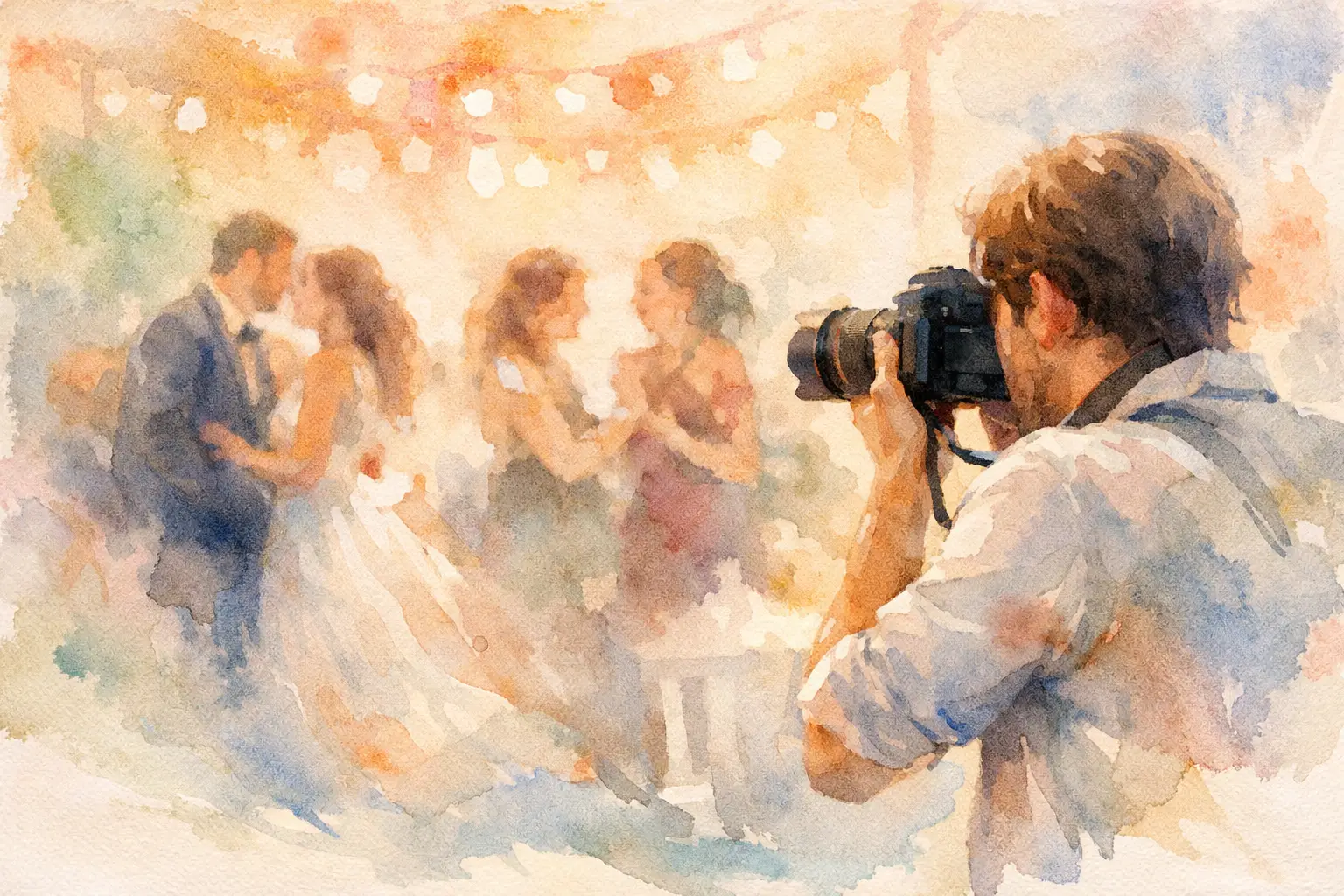
The photos people keep are rarely the ones where everyone is lined up, smiling, and waiting for a countdown. They are the laugh during the toast, the best friend fixing a veil, the toddler owning the dance floor. Learning how to capture candid moments means creating enough comfort and opportunity for people to forget the camera is even there.
For weddings, birthdays, vacations, company parties, and brand events, that is less about having a professional-level camera and more about designing a better photo experience. Make it easy. Make it social. Then let the real stuff happen.
Start by making the camera feel normal
People get stiff when a camera suddenly appears in their face. The fastest way to get more natural photos is to make photo-taking part of the event from the start, not a formal interruption halfway through dinner.
Put the capture point where guests naturally gather: near the welcome table, bar, dance floor, lounge area, or activity station. A QR code works especially well because it turns a guest's own phone into the camera they already know how to use. No app download, account creation, or awkward "send me those later" request required.
The goal is not to announce, "Time for pictures." It is to create a low-pressure signal that says, "Catch what is happening." When everyone can contribute, the gallery stops being one person's perspective and starts feeling like the event itself.
How to capture candid moments without making them awkward
The best candid photos come from proximity, timing, and a little restraint. You want to be close enough to catch expression and connection, but not so close that people feel observed.
Stay one beat longer
Most people snap a photo when the action begins, then move on. Try waiting. The real reaction often comes immediately after the cheers, the punchline, the surprise, or the hug. That extra second is where you get the crinkled eyes, the open-mouth laugh, and the look someone gives their favorite person across the room.
At a wedding, this might mean photographing the bride's friends after the first look, not only during it. At a work event, it could be the high-five after a team wins trivia. At a birthday dinner, catch the moment everyone realizes the cake is coming out crooked. Those are the photos that feel alive later.
Shoot through the action, not at it
Instead of asking someone to stop and pose, photograph them while they are already doing something. Pouring drinks, pinning a boutonniere, opening a gift, reading a place card, trading stories, dancing badly with complete confidence. Activity gives people somewhere to put their hands and attention, which instantly makes photos feel less staged.
This is also why group events are candid-photo gold. People are busy reacting to one another. Give them permission to document it, and the content takes care of itself.
Look for relationships, not just faces
A candid image gets more meaningful when it shows a connection. Watch for the hand on a shoulder, the shared side-eye, the friend leaning in to hear a story over loud music. One great portrait can be beautiful, but the photos that get replayed in the group chat usually show how people were together.
You do not need every frame to be perfect. A little blur, an uncentered composition, or someone half out of frame can make an image feel more like a memory than a marketing campaign. The trade-off is simple: if a moment is emotional or funny, capture it first. You can chase technical perfection at a quieter moment.
Give guests prompts, not pressure
"Take photos!" is vague. Most guests will nod, then go back to their conversation. A few playful prompts make participation feel obvious without turning the event into a content assignment.
Use prompts that invite people to notice something specific: capture the best outfit, the most chaotic dance move, a behind-the-scenes moment, your favorite duo, or the first person to grab dessert. For a company event, try "the smartest thing you overheard" or "your team's victory face." At a wedding, "the happiest cry" and "your view from the dance floor" work far better than a generic request for photos.
Keep prompts visible near the QR code, on table cards, or in a quick welcome announcement. Change them if the event has distinct chapters. During cocktails, invite outfit and reunion photos. Once the dance floor opens, encourage motion, mischief, and big reactions.
The secret is making guests feel like insiders. They are not documenting an event for the host. They are helping create the version everyone will remember.
Build photo moments into the event flow
Candid does not mean accidental. The best event galleries have a little intentional structure behind them.
Think about the moments that naturally produce reactions: arrivals, speeches, surprise entrances, games, performances, first dances, cake cutting, awards, favors, and late-night snacks. If those moments matter, make sure guests can capture them without scrambling for a link or wondering where to upload afterward.
A shared capture experience is especially useful when the host cannot be everywhere. While you are greeting relatives, someone else catches the flower girl inspecting the cake. While your team is listening to the keynote, another attendee gets the honest behind-the-scenes shot at the check-in table. More contributors means more angles, more stories, and a much better chance that the moment you missed still made it into the gallery.
Revel gives guests a simple QR-code way to shoot together, with disposable-camera-style limits and a timed gallery reveal that makes the payoff feel collective. A limited number of shots can actually help here. When every tap is not endless, people look up, wait for the good moment, and take more thoughtful photos.
Use your phone like a candid camera, not a surveillance device
Smartphones are more than capable of great event photos, but a few habits make a noticeable difference. Clean the lens before the event. It is the least glamorous tip and possibly the most useful. A fingerprint-smudged lens turns warm party lighting into haze.
Use natural light where you can, and step toward windows or brighter parts of the room for daytime events. At night, avoid blasting direct flash at every person you see. Flash can be fun for a deliberate disposable-camera look, especially on a dance floor, but it can also flatten skin tones and kill the mood in an intimate conversation. Test both approaches early and match the setting.
For movement, take a short burst of photos or hold the shutter for a moment if your phone supports it. Dance floors, hugs, confetti, and kids do not pause for retakes. Capture a few frames, then choose the one with the best expression later.
Try shooting from just below eye level, over a friend's shoulder, or from the edge of a circle rather than always standing directly in front of people. Changing your angle helps you record the atmosphere around the subject, not just their face. That context is what brings the photo back to life months later.
Protect the moment while you capture it
There is a line between candid and intrusive. Some guests do not want to be photographed, and some moments are too private to turn into content. Respect a no-photo request immediately. At weddings and personal celebrations, be particularly mindful during emotional conversations, meals, or moments when someone is clearly having a hard time.
For hosts, a clear photo culture helps. Let guests know that the goal is shared memories, not posting strangers without permission. Private event albums are useful because they keep the experience centered on the people who were actually there. Everyone gets to enjoy the gallery without wondering whether a vulnerable, goofy, or unflattering moment is about to appear publicly.
It also helps to designate a few phone-down windows. During a ceremony, keynote, or meaningful toast, ask guests to be present first. The photos will be better when they are taken by people who are engaged, not competing for a view. Then open the room back up for participation when the energy shifts.
Make the reveal part of the memory
A great candid photo experience should not end when the chairs are stacked or the last song plays. This is where most event photo collection falls apart: images get trapped in camera rolls, split across text threads, or promised with a "I'll send them later" that never happens.
Collecting photos in one private place changes that. Better still, a delayed reveal gives everyone a reason to come back together after the event. Guests get to relive the night through moments they did not personally see: the pre-party chaos, the table-side jokes, the dance-floor plot twists, the quiet hugs at the end.
That is the real trick to candid photography. Do not chase a flawless image. Create an event where people feel comfortable being themselves, make capture effortless, and leave room for the unexpected. The best photo is usually already happening. Someone just has to notice.
A writer interested in connection, memory, and the everyday moments that matter more than we realize.
Tags: Event photography , Event photo collection , Event photo sharing , Event photo wall , Corporate Event Photography , Shared event photos