Guest Generated Content Guide for Events
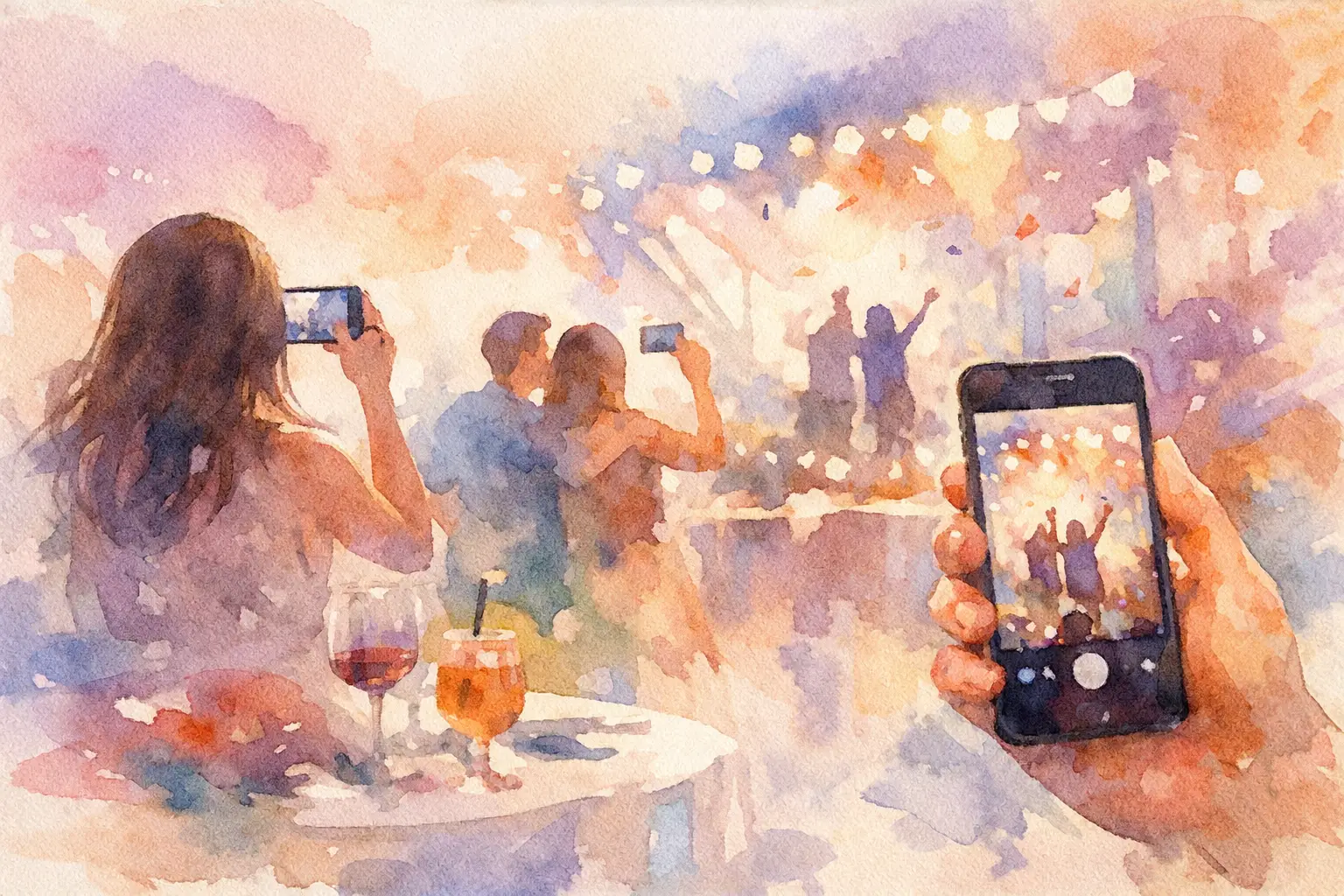
Nobody wants to spend the week after an event sending the same text 14 times: “Hey, can you send me the pics?” That exact mess is why a smart guest generated content guide matters. If you want more than a few blurry group shots and one polished recap post, you need a system that makes contributing feel effortless while the event is still alive.
Guest-generated content sounds simple. Let people take photos and share them. In reality, most events lose great moments because the process is clunky. Guests forget the upload link, do not want another app, or assume someone else is documenting everything. The result is predictable: scattered camera rolls, dead shared albums, and memories trapped in private text threads.
The fix is not begging harder. It is lowering the barrier so far that participation becomes the default.
What a guest generated content guide should actually solve
A real guest generated content guide is not just about collecting files. It is about behavior. How do you get people to join fast, contribute often, and stay engaged without turning the event into a homework assignment?
That means thinking beyond storage. The best setup handles access, motivation, timing, and the social vibe of the event itself. A wedding needs something different from a company offsite. A birthday trip has different energy than a brand activation. But the common thread is friction. Every extra step kills contribution.
If guests have to download an app, create a password, verify an email, and figure out where their photos went, you have already lost a chunk of them. Not because they do not care. Because they are at an event. They are talking, dancing, eating, moving, and living inside the moment.
Good guest content systems respect that. Great ones use it.
The core rule in any guest generated content guide
Make joining easier than ignoring it.
That one rule shapes everything else. A QR code at the table, a quick scan at the welcome sign, instant camera access in the browser, and zero account creation will usually outperform a more feature-heavy tool with more steps. People contribute when the path is obvious and immediate.
This is especially true for social events. Guests do not want to be managed. They want to participate naturally. If taking and sharing a photo feels like part of the event, they do it. If it feels like admin, they skip it.
There is a trade-off here. The more open and simple a system is, the more carefully you need to think about privacy, moderation, and gallery access. For weddings, private albums and controlled reveals tend to matter a lot. For public-facing activations, visibility and speed may matter more. It depends on the event goal.
Start with the moment, not the tech
Most people choose a photo-sharing setup by comparing feature lists. That is backwards. Start with what kind of memories you want guests to capture.
If you want polished, posed, high-control content, a photographer and a standard gallery might cover most of it. If you want candids from every table, behind-the-scenes chaos from the getting-ready room, dance floor energy, and the weirdly perfect moments no hired camera catches, guest participation becomes essential.
This is why digital disposable camera formats work so well. They change the behavior. Limited shots make people more intentional. Nostalgic filters make phone photos feel cohesive. A delayed reveal builds anticipation. Instead of dumping images into a folder no one opens, you create a shared event ritual.
That ritual matters more than people think. It turns photo collection into part of the experience instead of a task after the fact.
How to build a guest-generated content flow that people use
The best flow is short. Guests arrive, see how it works, scan once, and start shooting. No explanations longer than a sentence. No complicated permissions. No separate upload step hours later if you can avoid it.
At social events, placement does a lot of work. If the invitation mentions photo sharing ahead of time, participation starts earlier. If the QR code is visible at entry, on tables, and near key moments like the bar or dance floor, more people join without prompting. If the language is playful, people are more likely to treat it as part of the fun instead of event infrastructure.
This is where brand voice matters, even for private events. “Add your photos here” is functional. “Capture together. Reveal together.” has a pulse. The second version creates curiosity and momentum.
For professional events, the same principle applies with a slightly different angle. You still want low friction, but you may also want content from specific zones or activations. In that case, prompts help. Encourage guests to capture the panel, the booth experience, the team moment, or the after-hours social side. Structure can lift quality without making participation feel forced.
Why most event albums fail
They ask guests to do the work later.
Later is where content goes to die. People get home, open 73 unread messages, and move on. Even if they mean to upload photos, they rarely do it all. A few favorites make it out. The rest disappear into the camera roll.
A strong guest generated content guide avoids that trap by collecting in the moment. Browser-based capture, direct uploads, offline syncing, and instant access on almost any phone all matter because they protect the moment while it is still happening.
This is one reason Revel feels aligned with modern events. It removes the little bits of friction that quietly destroy participation. Guests can join fast, contribute without an account, and feel like they are part of something shared instead of sending files into a void.
The psychology behind better participation
People contribute more when three things are true: they know what to do, they can do it instantly, and they believe their photos matter.
That last part gets overlooked. Guests are more likely to take photos when the system makes their perspective feel valuable. A timed gallery reveal helps because it tells people this is a collective memory, not just content for the host. Limited-shot formats help too because they make each capture feel chosen, not disposable.
There is also a social proof effect. Once guests see others participating, they join more readily. This is why visible signage, host prompts, and early contributions matter. Nobody wants to be the only person using the photo tool. Everybody likes joining something that already has energy.
Different events need different versions of this guide
For weddings and milestone parties, emotion leads. The best guest content systems protect intimacy, keep things private, and build a fun reveal after the event. Guests want ease. Hosts want coverage from angles the photographer cannot reach.
For vacations and reunions, flexibility matters more. People are moving between locations, signals vary, and nobody wants to chase an upload link across a group chat. A simple shared capture experience keeps the trip from turning into fragmented mini albums.
For conferences, team offsites, and brand activations, guest-generated content also has operational value. It can extend the life of the event, surface candid moments, and give organizers a fuller view of what attendees actually experienced. But the tone has to match. Too corporate, and people tune out. Too loose, and the content may miss the mark. The sweet spot is guided but easy.
What to look for in a guest generated content guide tool
Look for fewer steps, not more features. High-resolution uploads matter. Offline capture support matters. Broad phone compatibility matters. Private galleries matter if the event is personal. A delayed reveal can matter more than you expect because it creates anticipation and gives everyone a reason to come back.
The best tool is not the one with the longest feature page. It is the one your guests will actually use after one glance.
That means the practical test is simple: can someone join in seconds while holding a drink, talking to a friend, and half-listening to the DJ? If yes, you are close. If not, keep trimming.
The real goal is not more content
More content is nice. Better participation is better.
When guests can contribute easily, the album becomes fuller, stranger, warmer, and more honest. You get the setup shots and the accidental masterpieces. The posed smiles and the blink-and-you-miss-it chaos. The memory gets wider because more people are inside it.
That is what a good guest generated content guide should help you create - not just a folder of images, but a shared record people actually want to revisit. Stop chasing photos. Build the kind of experience that collects them while the night still has a pulse.
The best event memories rarely come from the one person assigned to document them. They come from everyone who was there, phone in hand, catching the version only they could see.
A writer interested in connection, memory, and the everyday moments that matter more than we realize.
Tags: Corporate events , Event planning , Event photography , Event photo collection , Corporate Event Photography , Event photo sharing , Shared event photos