7 Event Memory Sharing Trends Worth Watching
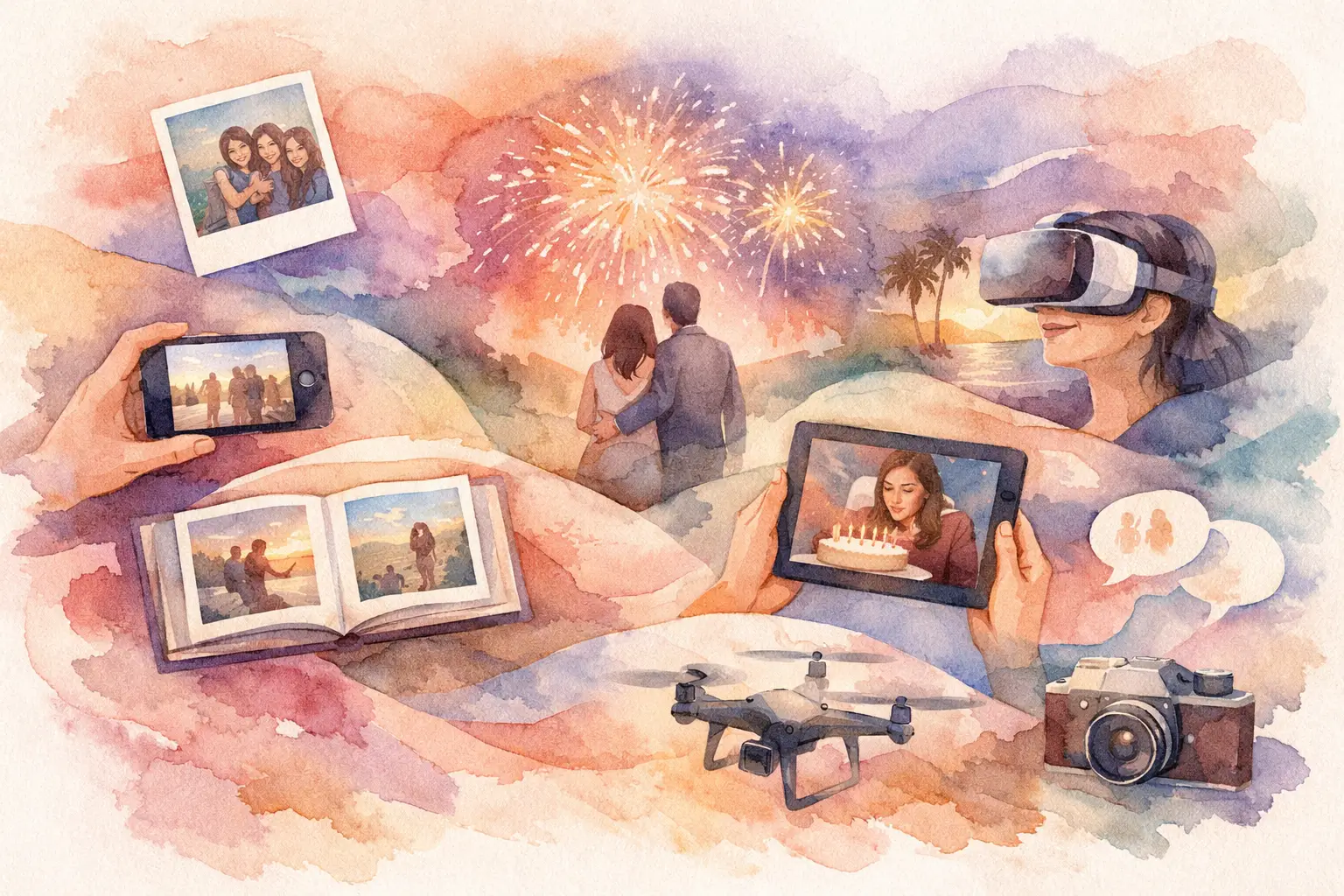
The best photo from a wedding, birthday, or team offsite is rarely the one everyone planned. It is the friend laughing mid-speech, the coworker owning the dance floor, or the quiet pre-party moment the host never got to see. That is why event memory sharing trends are shifting fast: people do not just want a folder of polished highlights. They want the whole feeling of being there, from every angle.
For organizers, that changes the job. Collecting photos can no longer be an awkward follow-up text sent three days after the event. The experience has to start while the energy is still high, be easy enough for everyone to join, and give people a reason to contribute.
1. Guests Are Becoming the Camera Crew
A photographer still matters. So does a photo booth. But neither can capture the event from the inside the way guests can. Friends see the table jokes, the surprise hugs, the spontaneous karaoke, and the slightly chaotic after-party. Their photos make an event feel lived in rather than simply documented.
This is especially true for weddings, milestone birthdays, vacations, and brand activations. People want the professional hero shots, but they also want the candid evidence that everyone had a great time. The trend is not replacing professional photography. It is adding the perspectives that a single shooter cannot reach.
The catch is participation. Asking guests to upload later to a shared drive or send photos through a group text usually produces a small handful of images from the most organized people in the room. The rest stay buried in camera rolls forever. The winning setups make contributing feel like part of the event, not homework after it.
2. QR Codes Have Moved From Utility to Invitation
A QR code on a bar sign used to mean menu. Now it can mean, “You are part of this memory.” A quick scan is becoming the preferred entry point for shared event albums because it meets guests where they already are: on their phones, in the moment, and not interested in downloading another app.
Placement matters. Put the code somewhere guests naturally pause, such as the welcome table, place cards, drink menu, photo booth, or a projected slide before speeches. Pair it with language that has a little energy. “Add your angle.” “Take the pic. We’ll reveal it later.” “This party has multiple camera operators.”
The point is not the code itself. It is the zero-friction invitation behind it. If joining requires an account, an email verification, and a confusing upload page, the moment is gone. A scan should lead straight to the camera or gallery, with no explanation needed.
3. Delayed Reveals Are Bringing Back Anticipation
Smartphone photos are instant by default. Take it, check it, retake it, post it, move on. That convenience is useful, but it can also flatten the fun. One of the most interesting event memory sharing trends is the return of delayed gratification.
A timed gallery reveal gives a group something to look forward to after the music stops. It turns the album into a second event: everyone gets to relive the night together, discover what they missed, and see themselves through their friends’ eyes.
There is a practical upside, too. When guests know the photos will be revealed later, they are less likely to hover over every image or spend the evening curating content for social feeds. They can take the shot and get back to the dance floor. For hosts, it also creates a clean ending to the photo-collection scramble. The memories arrive in one place, on a schedule.
This approach will not fit every event. A conference team may need usable images in real time for social coverage. A brand activation may want an instant sharing moment. But for celebrations where surprise and nostalgia are part of the appeal, the delayed reveal hits differently.
4. Disposable-Camera Energy Is Going Digital
The disposable camera has a special kind of magic. It gives people permission to be imperfect. The flash is harsh. The framing is questionable. Someone’s thumb may cover half the lens. Yet those photos often become the ones people keep.
Digital disposable camera experiences are carrying that attitude into phone-first events. Limited shots, nostalgic filters, and a little uncertainty encourage people to shoot with more intention and less self-consciousness. Instead of taking 40 versions of the same group pose, guests capture the one that feels real.
That is a meaningful shift from endlessly polished event content. Hosts are realizing that not every image needs to look campaign-ready. A mix of soft-focus dance photos, goofy selfies, and candid table moments can tell a more honest story than a gallery full of perfect portraits.
Revel leans into this balance with a QR-based capture experience that lets guests join quickly, take photos, and enjoy a shared reveal without turning photo collection into a tech support project.
5. Private Sharing Is Becoming the Default
Not every great event photo belongs on a public feed. Guests are becoming more selective about where their memories live, especially at weddings, family celebrations, workplace events, and gatherings involving kids.
Private galleries offer a better middle ground. Everyone at the event can see and enjoy the photos, while the host keeps control over who is invited into the memory. That makes people more comfortable sharing candid moments that might never make it to Instagram or TikTok.
Privacy also improves participation. When the album is clearly for the group rather than public performance, guests are more likely to upload the silly, unfiltered, in-between photos that make a gallery worth opening. A private space says, “This was for us.” That feeling matters.
6. Offline-Friendly Capture Is No Longer a Nice-to-Have
Anyone who has tried to send a photo from a packed wedding venue, festival field, hotel ballroom, or conference hall knows the problem. Hundreds of phones compete for weak Wi-Fi and cellular service. Upload prompts spin. Guests give up.
Event tech has to account for the real world, not the ideal one. Capture that works offline and syncs later protects the moment when connectivity disappears. It also removes one more reason for a guest to say, “I’ll do it later,” which usually means never.
For organizers, this is a quiet but major detail. The simplest experience is one that does not make guests think about signal strength, file formats, or storage limits. They take the photo. The system handles the rest.
7. The Gallery Is Becoming Part of the Afterglow
The event does not end when the last guest leaves. The next-day group chat, the replay of speeches, and the hunt for that one hilarious photo are all part of the experience. A complete shared gallery gives that afterglow somewhere to live.
For personal events, it helps hosts stop chasing photos one person at a time. For company events, it extends internal engagement and gives attendees a shared record beyond the official recap. For brand teams, it can make participation feel more personal than a standard event hashtag ever could.
The strongest galleries do more than store images. They preserve the collective point of view. You see the room from the stage, the stage from the back row, the cake before it was cut, and the aftermath nobody thought to photograph professionally.
What Hosts Should Design For Now
The trend line is clear: fewer barriers, more contributors, and memories that feel communal instead of scattered. But no platform can fix an experience that guests do not understand. Keep the ask simple, make it visible, and give people a reason to participate right away.
For a wedding, that may mean a small sign at each table inviting guests to capture their favorite moments. For a birthday, it might mean limited-shot prompts that make everyone laugh. For a company party, it could mean a gallery reveal the next morning, when people are still talking about what happened.
The best event photo strategy is not about getting every single image. It is about making it easy for people to add the moments only they saw. Give your guests one clear way to contribute, then let the night happen.
A writer interested in connection, memory, and the everyday moments that matter more than we realize.