Why Guests Stop Uploading Photos at Events
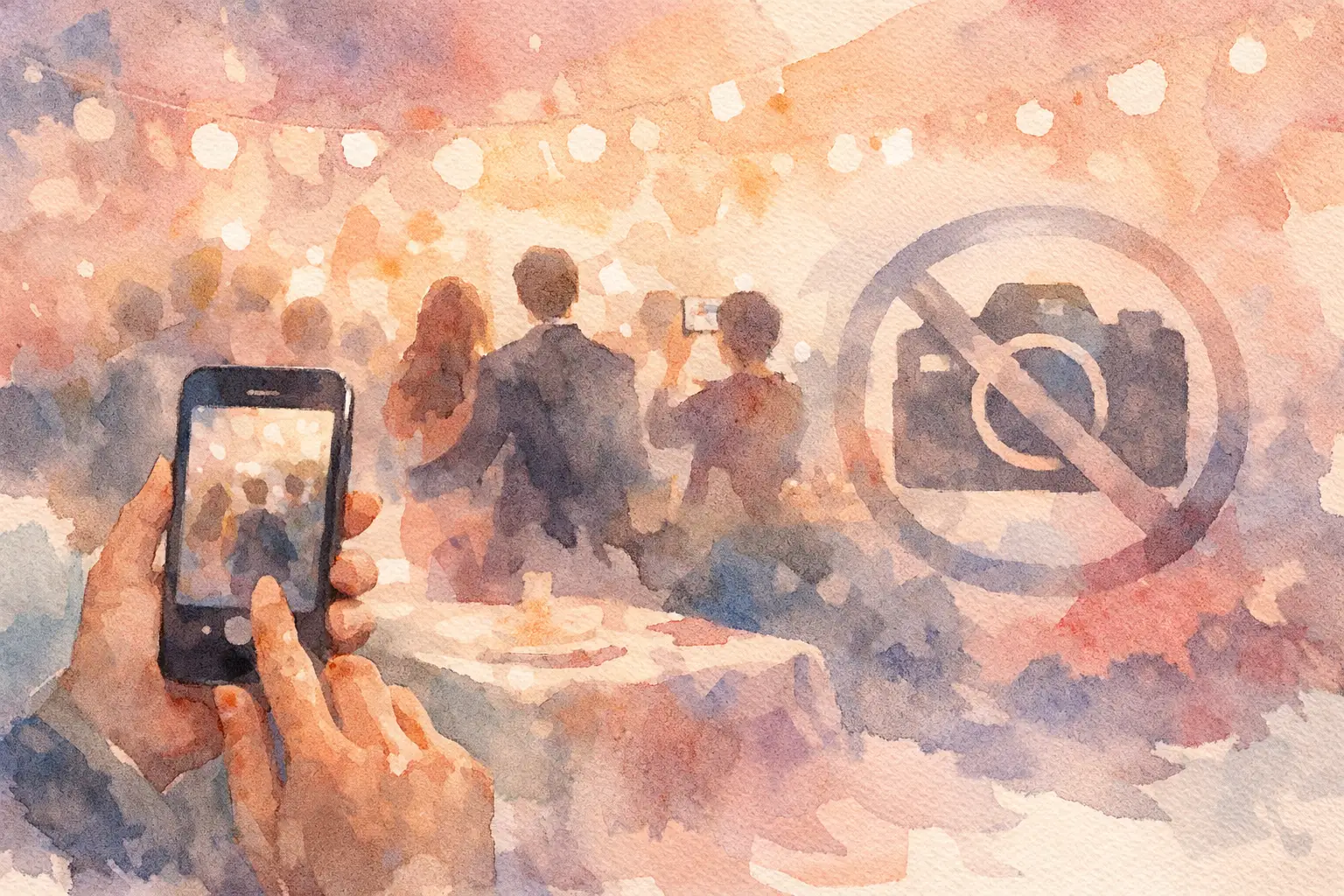
The group chat is popping. The party was great. Everyone has photos. And somehow, the shared album has 14 uploads - 10 from the host, three from one enthusiastic friend, and one blurry picture of a ceiling. That gap is exactly why guests stop uploading photos. It is rarely because they did not have a good time. It is because sharing those photos feels like one more task after the fun is over.
For hosts, that means the memories end up scattered across camera rolls, text threads, Instagram Stories, and the friend who swears they will send everything "tomorrow." For guests, it means a well-intentioned photo request becomes easy to ignore. The fix is not sending more reminders. It is designing a photo-sharing experience people actually want to join while the event is still happening.
Why Guests Stop Uploading Photos After the Event
The traditional shared album asks for effort at exactly the wrong time. Guests need to remember the link, find the photos they meant to contribute, select them, wait for an upload, and hope they chose the right album. None of those steps is huge on its own. Together, they are enough to make "I’ll do it later" turn into never.
The moment has already passed
At a wedding, birthday, or team offsite, people take photos in little bursts. A toast. A packed dance floor. The cake table before it gets demolished. They capture the moment, send one favorite to a friend, and put their phone away.
Hours or days later, uploading requires them to revisit the event mentally and dig through a camera roll that now includes grocery lists, dog photos, screenshots, and whatever happened on Tuesday. The emotional momentum is gone. The upload is now admin.
This is why post-event collection has such a low ceiling. You are asking guests to do work after they have received the experience. A better system turns participation into part of the experience itself.
The link has friction baked in
A link sounds simple until guests need to sign in, download an app, create an account, grant permissions, or figure out which button means upload. Every extra screen quietly cuts the contributor list down.
This matters even more for mixed-age events and larger gatherings. Your best friend might happily test a new app. Your uncle, your coworker’s plus-one, or a conference attendee rushing to their next session probably will not. If the first interaction feels like setup, most people will choose the path of least resistance: doing nothing.
QR codes work because they meet guests where they already are - on their phones, in the room, with a camera ready. But the QR code is only the invitation. What happens immediately after the scan determines whether someone contributes or bounces.
People do not know what to upload
Hosts often say, “Add any photos you took!” That sounds open and easy. It can also create hesitation. Are selfies welcome? Is the blurry dance-floor video too chaotic? Should they upload 40 photos or just their best five? Does the host want candid shots, polished portraits, or pictures of the decorations?
When the rules are fuzzy, guests self-edit. And self-editing creates delay.
A clear creative frame makes contribution feel lighter. A digital disposable camera approach, for example, tells guests exactly what to do: take a few fun, in-the-moment shots for the collective album. Limited shots can even make it more playful. The point is not to turn every guest into an event photographer. It is to give everyone permission to capture their perspective.
The gallery gives them nothing back
If guests upload into a blank folder and never see the full collection, there is no payoff. They are contributing content to a place that feels invisible. That may work for a corporate asset request, but it is not how social memories work.
People participate when they can feel part of something shared. A timed gallery reveal creates anticipation: everyone contributes now, then everyone gets to see the party through everybody else’s eyes later. The friend group gets the candid photos they missed. The newlyweds see the dance floor from 30 different angles. The brand team gets a gallery that reflects the room, not just the official photographer.
That reveal is not a gimmick. It is a reason to join.
The Real Problem Is Timing, Not Guest Enthusiasm
Guests are often more willing to take photos than hosts realize. They are already documenting the night. The challenge is catching that willingness before it disappears into their camera roll.
The highest-participation photo experiences happen in the moment. People scan the code when they arrive, when they see it at the bar, or when a friend starts taking photos nearby. They take pictures as the event unfolds, not as homework the next morning.
There is a trade-off here. Asking guests to upload live can feel distracting if the experience is clunky or too demanding. That is why the capture flow needs to be fast, obvious, and social. One scan. No account. No app download. A few taps, then back to the party.
Revel is built around that idea: make photo contribution feel more like picking up a disposable camera than managing a cloud folder. Guests can join with a QR code, capture in the moment, and come back for the full gallery together. The technology stays in the background. The shared memory gets bigger.
How to Keep the Album Active All Event Long
A photo-sharing setup should not be treated like a link you mention once in a welcome speech. Give it a visible role in the event.
Make the invitation impossible to miss
Put the QR code where people naturally pause: on table cards, by the bar, at check-in, near the guest book, or on a screen between presentations. One placement is rarely enough, especially in a busy room. Repetition is not annoying when it is visual and useful.
Use language that feels like an invitation, not an assignment. “Add your point of view.” “Take a few for the gallery.” “Capture together. Reveal together.” The copy should signal that candid, imperfect, unexpected photos are the whole point.
Give guests a reason to pull out their phones
The right prompt changes by event. At a wedding, ask for the best dance-floor shot or the sweetest table-side candid. At a birthday, invite guests to capture the outfit, the toast, and the late-night chaos. At a company event, prompt people to photograph team moments, creative details, and the conversations that never make it into official event coverage.
You do not need a long scavenger hunt. One or two playful cues are enough to break the “what should I take?” freeze. The goal is momentum, not a checklist.
Protect the surprise
Instant galleries have a place, particularly when attendees need real-time content for a campaign or conference recap. But for personal celebrations, showing every upload immediately can make the experience feel like another social feed. People start comparing, curating, and posting instead of being present.
A delayed reveal gives the album a little mystery. Guests can take photos without watching the gallery in real time, then relive the event together afterward. It also makes the collection feel like a shared gift rather than a storage bin.
Keep the ask proportionate to the event
Not every gathering needs hundreds of photos. A 12-person dinner might be perfect with a small, intimate set of candid images. A 250-person wedding or brand activation benefits from broad participation and plenty of perspectives.
Match the experience to the scale. For a smaller event, make it feel personal and low-pressure. For a bigger one, use clear signage, a quick host announcement, and multiple QR placements. The principle is the same: joining should take less effort than ignoring it.
Stop Chasing Photos and Start Creating a Moment
The most useful event photos are often not the perfect ones. They are the off-guard laugh during the speech, the friend group packed into a booth, the tiny detail the host never saw, and the blurry proof that everyone stayed until the lights came on.
Guests do not stop uploading because they do not care. They stop because the request arrives too late, asks too much, or offers too little in return. Make contribution immediate, make the prompt playful, and make the gallery worth waiting for. Then the album stops being a favor you chase and becomes part of the night people want to remember.
A writer interested in connection, memory, and the everyday moments that matter more than we realize.
Tags: Event photo collection , Event photo sharing , Event photo wall , Event photography , Event planning , Corporate events , Corporate Event Photography , Event gallery , Offline event photo uploads , Shared event photos , Event QR , Team events