When Galleries Unlock, the Party Starts Again
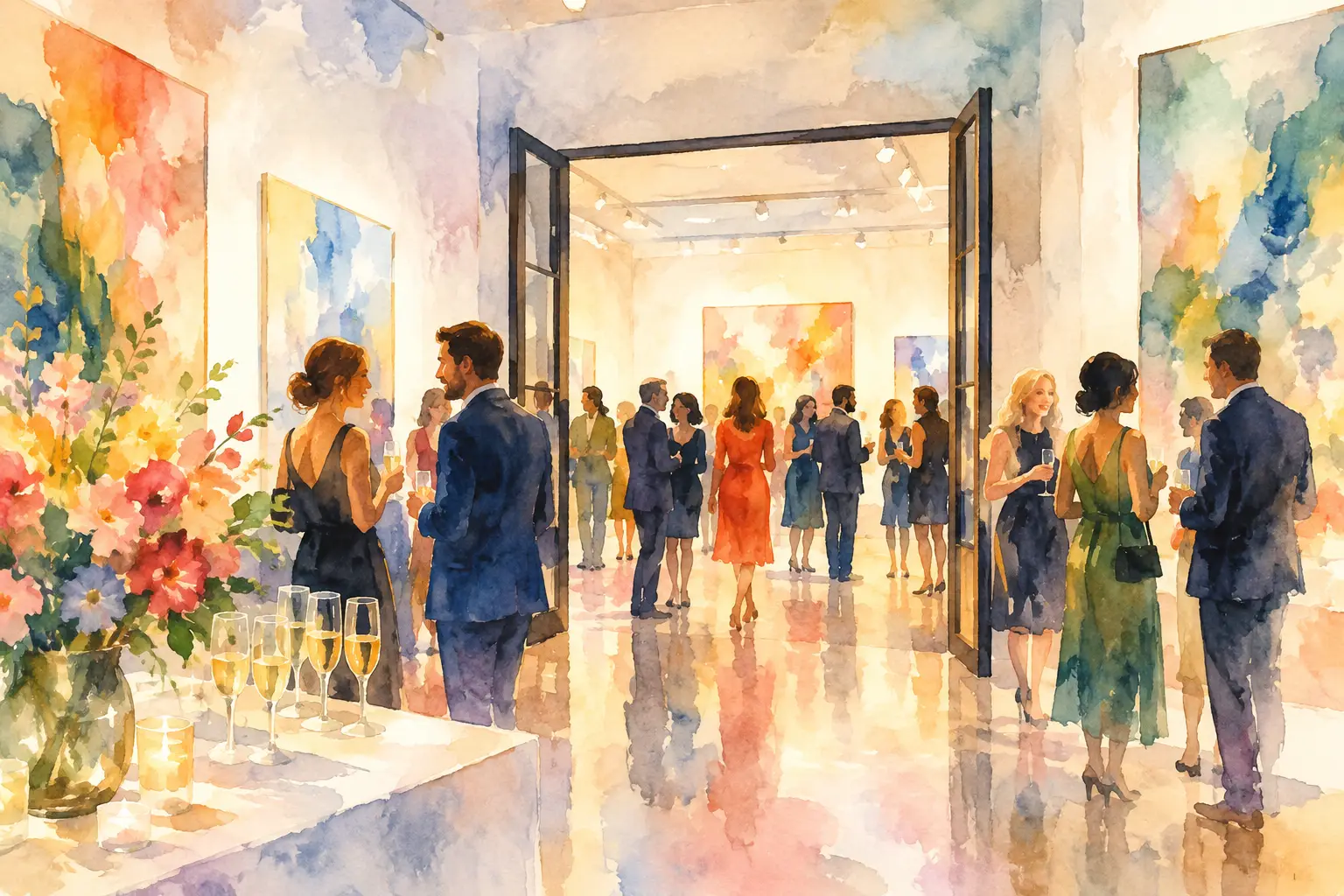
The best part of a great party is rarely the photo someone posts before the cake is cut. It is the blurry dance-floor shot you never knew existed, your best friend laughing in the background, the tiny moments happening while you were busy having your own. When galleries unlock, those separate little perspectives finally become one shared memory.
A timed gallery reveal turns photo sharing from post-event admin into a second event. Instead of spending the next week chasing friends through text threads - “send me the ones you took!” - everyone gets to react together. The party gets an encore.
When galleries unlock, anticipation does the work
Most event photo tools treat photos like files to move around. Take them, upload them, hope people remember to contribute, then ask again. That is functional, but it is not especially fun. It also asks a lot from guests after the moment has passed.
A delayed reveal changes the behavior before, during, and after the event. Beforehand, guests know their photos are part of something bigger than their own camera roll. During the event, the limited-shot, disposable-camera feel makes every capture feel a little more intentional. Afterward, the gallery opening gives everyone a reason to come back at the same time.
That anticipation matters because it makes participation feel social, not like homework. People are more likely to scan a QR code and add a few candid shots when they know they are contributing to a group surprise. The host is not begging for uploads later. The experience has already built in the reason to share.
For weddings, this can mean the morning-after reveal becomes part of the weekend. For a birthday, it can be the perfect next-day group-chat moment. For a company offsite or brand activation, it extends the energy beyond the room without forcing anyone to post publicly.
A gallery reveal beats the usual photo chase
The usual photo collection process has a predictable problem: it loses momentum. At the event, everyone is busy. The next day, everyone is tired. A week later, the photos are scattered across iMessages, DMs, AirDrop requests, social posts, and camera rolls that may never be searched again.
The host ends up doing the least glamorous job in event planning: detective work. Who took that group photo? Did anyone get a picture of the toast? Can somebody resend the video from the dance floor? The more people involved, the more likely the best moments disappear into private threads.
A private, timed gallery gives the moment a home from the start. Guests join without downloading an app or making an account, take photos from their own phones, and let their contributions collect in one place. They can stay present instead of choosing between documenting the night and figuring out where to send the results.
That simplicity is the whole point. A photo-sharing system only works if people actually use it. If joining takes too many steps, the people who would have captured the funniest, most honest photos are often the first to skip it.
The delay is not just a gimmick
Immediate access has its place. A conference organizer may want a live feed of attendee photos during a multi-day event. A vacation group may want to check that everyone got the sunset shot before leaving the beach. In those cases, real-time viewing can be useful.
But for many celebrations, instant visibility changes the mood. Guests start reviewing instead of shooting. They curate, compare, and post before the moment has had a chance to breathe. A delayed reveal keeps the focus where it belongs: on the people in front of you.
It also brings back a small, delightful uncertainty. Disposable cameras were never about perfect control. You took the picture, hoped for the best, and discovered what happened later. A timed digital reveal keeps that charm while skipping the lost camera, grainy prints, and three-week pharmacy wait.
How to choose the right reveal time
There is no single perfect timing. The right setting depends on the rhythm of the event and what you want guests to feel when the gallery opens.
For a one-night birthday, engagement party, or dinner, the next morning is usually a sweet spot. People have had enough time to get home, sleep, and start wondering what everyone else captured. The reveal lands while the night is still fresh, but it does not interrupt it.
For a wedding weekend, consider opening the gallery after the farewell brunch or the day after guests travel home. That gives everyone space to be fully present across the celebration. It also creates a warm shared moment when people are already replaying the weekend in their heads.
For a company event, the timing may depend on the goal. Open the gallery the next workday if you want a quick culture boost and a reason for coworkers to reconnect. Wait until after a multi-day retreat if the photos are meant to tell the full story. For a brand activation, a short delay can create a return moment while the campaign is still timely.
The trade-off is simple: open too soon, and you may pull attention away from the event. Wait too long, and the emotional spark cools off. Aim for the window where guests are still talking about the night, not trying to remember which weekend it was.
Make the reveal feel like a moment
The gallery does not need a complicated rollout. In fact, overproducing it can drain the magic. A simple notification or group message works because the photos are the main event.
What helps is setting the expectation early. Let guests know that everyone will get access at the same time. Mention it on the invitation, in a welcome sign, or during a quick toast. A line like “Take your shots now. We all see them tomorrow” gives people a reason to participate without turning the event into a content assignment.
Keep the instructions equally light. Scan the QR code. Take photos. Come back for the reveal. That is enough. Revel is designed around this low-friction flow, including high-resolution uploads and offline capture syncing for those inevitable spots with spotty service.
The best galleries also have range. Encourage guests to get more than posed group photos. Capture the table before everyone sits down. Get the friend fixing someone’s collar, the packed elevator, the quiet five minutes before the ceremony, the late-night snack run. The polished shots matter, but the in-between ones are often what people keep returning to.
Private does not mean less social
A shared gallery can be highly social without becoming public content. That distinction matters when people want to relax, dance badly, meet new people, or enjoy a milestone without wondering whether every photo will land on a feed.
Private sharing gives guests permission to be more themselves. It is a better fit for weddings, showers, family gatherings, internal company events, and any celebration where the people in the room are the audience that matters. Everyone can contribute without needing a public-facing profile or a carefully edited caption.
It also keeps the full story intact. Social media tends to surface the most polished frame. A private gallery makes room for the funny, imperfect, tender, and unexpected images that actually explain what the event felt like.
A good event should not end with one person sorting through 600 photos and sending reminders. Set the reveal time, let guests capture from their own point of view, and give everyone the same little rush when the gallery opens. The memories were made together. They deserve to be seen that way.
A writer interested in connection, memory, and the everyday moments that matter more than we realize.