The Future of Event Photography
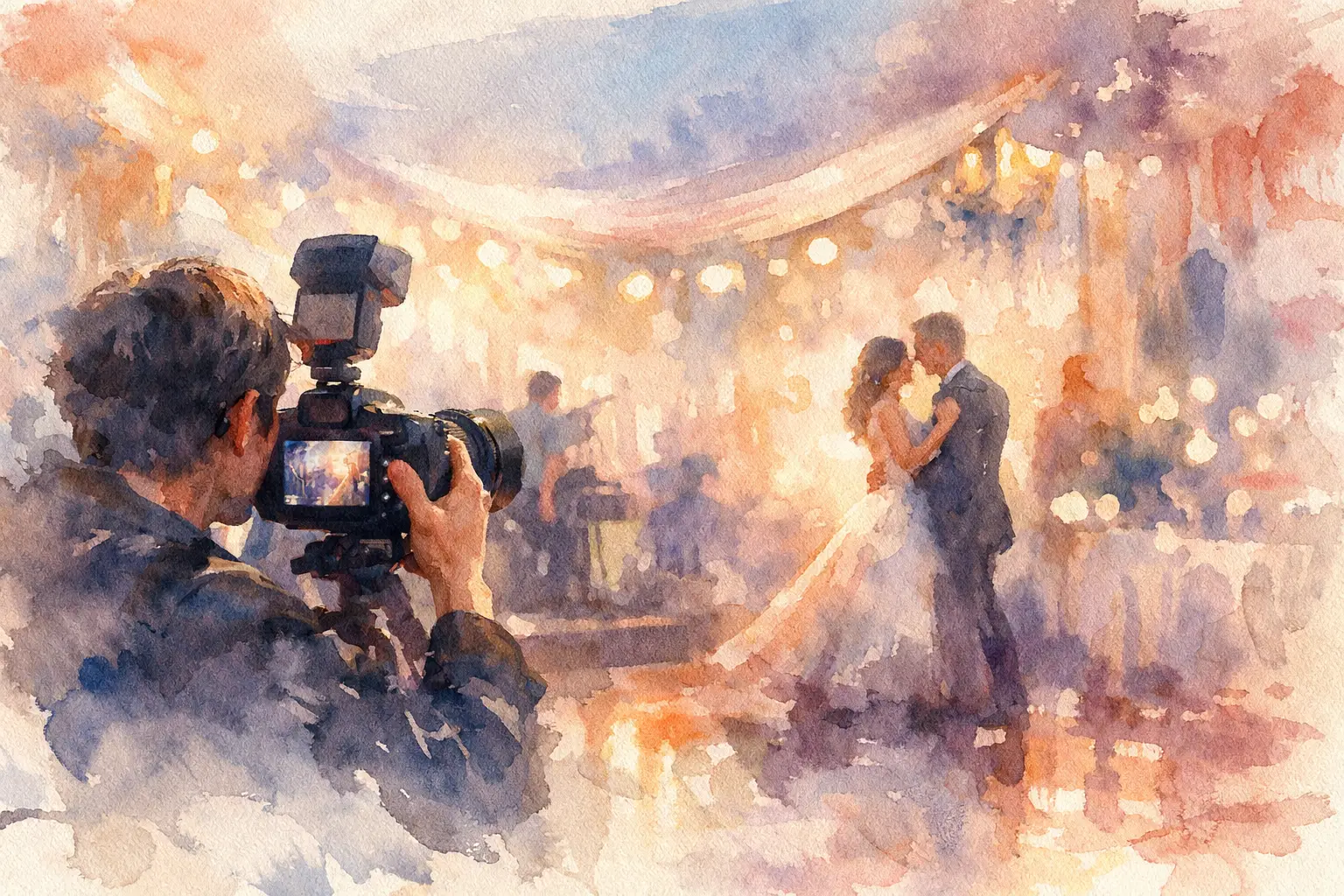
One person still gets stuck with the same job at almost every event: taking enough photos for everyone else. Then the night ends, the group chat gets three blurry uploads, someone promises to make an album, and the best moments disappear into 40 different camera rolls. The future of event photography starts with fixing that mess.
For a long time, event photography meant a clear split. Professionals handled the polished shots. Guests handled the candid ones, badly or inconsistently, and rarely in one place. That model is starting to break. Not because professional photography matters less, but because people now expect fuller coverage, faster access, and a shared experience that feels as social as the event itself.
What the future of event photography actually looks like
The next era of event photography is not just about sharper cameras or smarter editing. It is about participation. More people capturing. Less friction. Better structure. A gallery that feels complete because it includes the room, not just the photographer.
At weddings, that means guests contributing the laugh between speeches, the late-night dance floor chaos, the table-side moments no hired shooter can catch all at once. At brand activations, it means attendees creating usable content in real time instead of waiting for an official recap that lands too late. At company events, it means turning passive attendees into contributors without asking them to download yet another app.
That shift matters because events are social by nature. The photography should be too.
From single viewpoint to shared coverage
Traditional event photography is built around coverage from one or two vantage points. Even when the work is excellent, it is still limited by where the photographer can physically be. Guests, on the other hand, are everywhere. They are at the table, on the shuttle, in the crowd, backstage, in the afterparty line, and catching moments that would never make a formal shot list.
The future of event photography leans into that reality. Instead of treating guest photos as random extras, smarter event hosts are treating them as part of the core capture strategy. That does not mean handing over the whole job to attendees. It means combining professional quality with crowd perspective.
This is where the real upgrade happens. Not pro versus guest. Pro plus guest.
The trade-off is obvious: more participation can also mean more noise. More duplicates. More uneven framing. More low-light chaos. But that is only a problem when the system for collecting photos is messy. When contribution is structured well, the volume becomes a feature, not a headache.
Friction is the real enemy
Most event photo-sharing fails for a boring reason: it asks too much. Download this app. Make an account. Find the album link. Upload later. Remember your password. Nobody wants homework after a party.
That is why the future is moving toward low-friction capture. Guests need instant access. A quick join. No account wall. No complicated setup. No long explanation from the host who is already trying to keep the event moving.
The easier it is to join, the more people actually participate. And participation changes everything. More angles. More candids. More emotional range. More of the event as it felt, not just how it looked from the front row.
This is also why QR-based photo collection keeps making sense. It meets people where they already are: on their phones, in the moment, without extra steps. That kind of simplicity is not a nice extra. It is the whole game.
Disposable camera energy, upgraded
There is a reason disposable camera aesthetics keep showing up at weddings, birthdays, and brand events. People love the looseness of it. Fewer posed shots. Less pressure to perform. More weird, funny, blink-and-you-missed-it moments.
But physical disposables come with real limits. Film gets lost. Development takes forever. Print quality varies. Half the camera roll is somebody's thumb. The nostalgia is fun. The logistics are not.
A big part of the future of event photography is digital tools that keep the charm and lose the chaos. Limited shots can make people more intentional. Delayed reveals can build anticipation. Filters can create a shared visual mood without forcing every image into the same polished template.
That blend matters because people do not just want documentation anymore. They want an experience around the photos. The act of taking them, waiting for them, and seeing the full gallery together can become part of the event itself.
AI will help, but it should not flatten the moment
Yes, AI is coming for event photography. It is already here in small ways: auto-sorting, face grouping, best-shot selection, exposure fixes, duplicate removal, and search tools that make large galleries easier to manage.
Used well, that is a win. Nobody wants to sort 800 near-identical dance floor photos by hand. AI can clean up the pile, surface highlights, and make galleries easier to browse.
But there is a line. If every event gallery starts looking over-edited, over-smoothed, and strangely interchangeable, the photos lose the thing people actually care about. Personality. Atmosphere. Imperfection. Proof that real humans were there.
The best future for event photography is not fully automated memory-making. It is smarter support behind the scenes, with the human mess still intact.
Privacy is becoming part of the product
People want to share more at events, but they also want more control over where those photos end up. Public social posting is not the default for every occasion anymore. A wedding is not a brand campaign. A company offsite is not a public festival. A baby shower definitely does not need to live forever on someone's open profile.
That is pushing event photography toward private, controlled sharing environments. Guests still want access. Hosts still want contribution. They just do not want the whole thing scattered across texts, DMs, random AirDrops, and half-forgotten folders.
Private galleries, timed reveals, and invite-based access fit the way people actually want to share now. Social, yes. Public, not always.
Professional photographers are not going away
Whenever people talk about new event tech, there is a temptation to frame it like a replacement story. It usually is not.
Professional photographers still matter because they do things guests cannot reliably do. They manage lighting, composition, timing, and consistency. They capture key moments with intention. They deliver a level of quality that matters for ceremonies, speeches, portraits, stage content, and branded events.
What is changing is the expectation that one photographer should somehow capture everything. That was never realistic. The future is a layered model: professional coverage for the must-have moments, guest-powered capture for the lived-in ones.
That mix is especially strong at events where emotion moves fast. Weddings, reunions, graduations, birthdays, retreats, launch parties. The polished photos matter. So do the blurry ones where everyone is actually having fun.
The best event photos will feel collective
For hosts, planners, and marketers, this shift is practical as much as emotional. Better participation means more usable content. Better post-event engagement. More complete storytelling. Less chasing people for uploads days later.
For guests, it is even simpler. People like seeing the event through other people's eyes. They like finding moments they missed. They like being part of the memory, not just background in someone else's gallery.
That is the real direction of travel. The future of event photography is less about who had the fanciest camera and more about who made it easiest for everyone to contribute. The tools that win will not just produce nice images. They will reduce friction, increase involvement, and turn photo-sharing into part of the event experience itself.
That is why products built around instant participation are well positioned. A platform like Revel fits this moment because it treats event photography as something collective from the start, not something to patch together after the fact. Capture together. Reveal together. That idea feels current because it solves a problem people are tired of pretending is normal.
The camera roll is no longer the final destination. The shared album is. And the events people remember best will be the ones where the photos actually made it there.
A writer interested in connection, memory, and the everyday moments that matter more than we realize.
Tags: Event photography , Corporate Event Photography , Photography tips