How to Boost Guest Contributions at Events
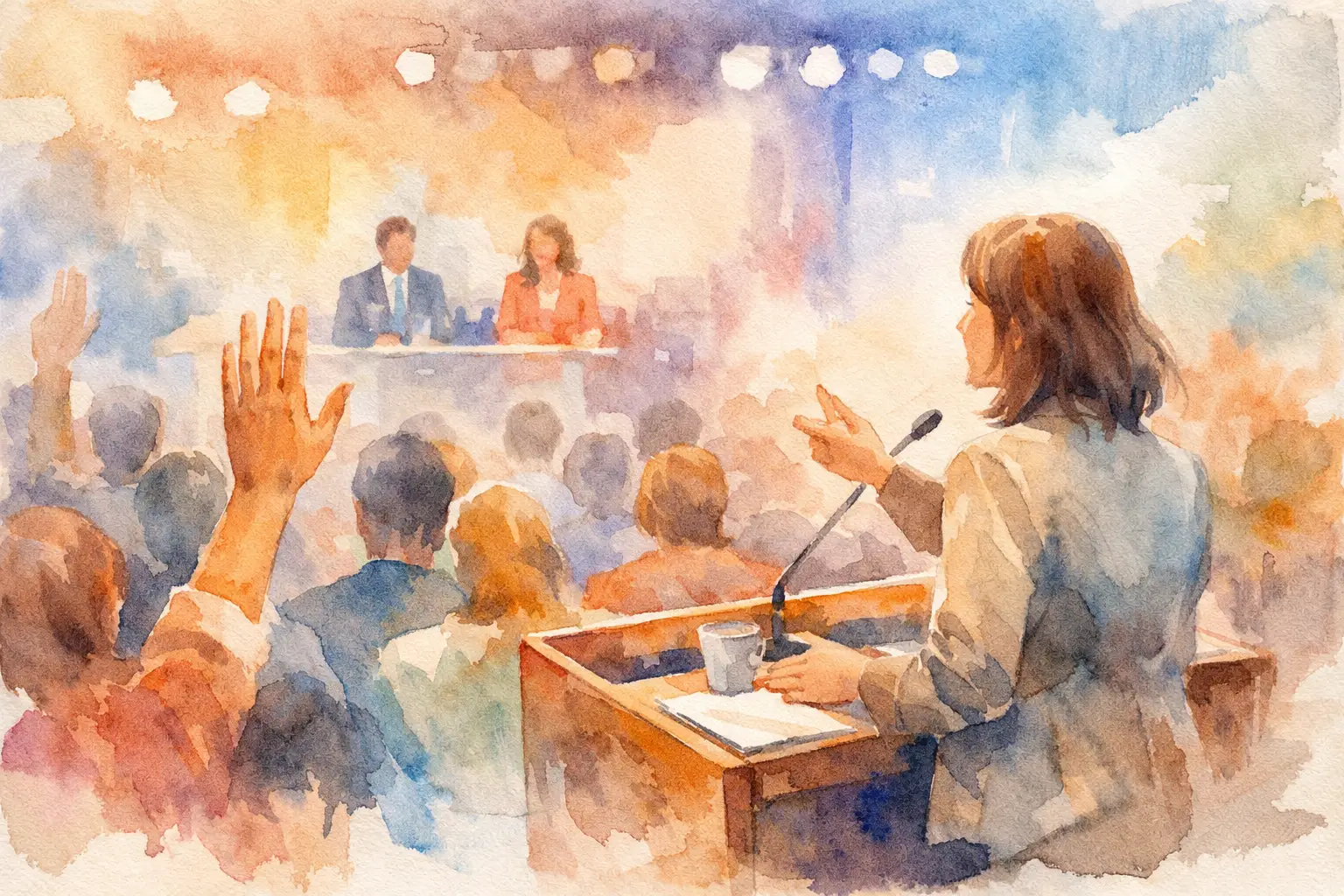
The best photo from your event might be the one you never see: your best friend crying during the toast, your coworker owning the dance floor, your aunt getting the flower arrangement just right. The problem is not that guests fail to take photos. It is that those photos disappear into camera rolls, group texts, and social posts before anyone can collect them. Learning how to boost guest contributions starts by making sharing feel like part of the party, not another post-event chore.
How to boost guest contributions without chasing people
Most guests are happy to contribute when the ask is quick, obvious, and fun. What they will not do is download an unfamiliar app, make an account, hunt for a link later, and remember to upload photos once the event is over. Every extra step quietly lowers participation.
Think about the moment your guests are most likely to act: while they are already holding their phone, laughing with friends, or watching something worth capturing. Your photo-sharing setup needs to meet them there. A visible QR code, a one-scan entry point, and a clear reason to take a photo turn passive attendees into contributors.
The goal is not to turn every guest into a content creator. It is to give everyone a low-pressure way to add their perspective. A few great contributions from lots of people will always tell a richer story than a polished gallery from one corner of the room.
Remove friction before you add incentives
A prize can help. A clever sign can help. But neither fixes a clunky contribution flow. Start with the mechanics.
Guests should be able to join in seconds, ideally without downloading anything or creating an account. Put QR codes where people naturally pause: at the entrance, on cocktail tables, beside the bar, near the guest book, and at each dinner table. One lonely sign in a corner is easy to miss. Repetition makes participation feel normal.
Make the instruction equally simple. “Scan. Snap. Add to the album.” beats a paragraph explaining a platform. If guests need to ask what to do, the setup is working too hard.
Device compatibility matters too. A mixed crowd means newer phones, older phones, spotty venue Wi-Fi, and people who have already filled up their storage. Choose a photo experience that works broadly and can handle offline capture when the signal gets sketchy. The smoother it feels, the more likely people are to take a second and third photo.
Give guests a reason to participate right now
People contribute when they understand what is in it for them. At a wedding, that might be seeing the candid moments the photographer missed. At a company event, it could be spotting themselves in the final recap. At a birthday, it is the fun of building the night’s story together.
A delayed gallery reveal is especially effective because it creates a shared payoff. Instead of photos arriving as random fragments all night, everyone gets to anticipate the same moment: the gallery opens, and the full event comes back to life from dozens of viewpoints. Capture together. Reveal together.
There is a trade-off here. An instant gallery works well for conferences and brand activations, where real-time social energy can pull more people toward a booth or experience. A delayed reveal feels better for weddings, vacations, and parties where you want the photos to stay present in the room rather than send everyone into scrolling mode. Match the timing to the event’s vibe.
Make the camera part of the experience
A shared album alone can feel practical, which is useful but not always exciting. Participation climbs when taking the photo is entertaining in its own right.
Digital disposable camera mechanics create a small dose of stakes. Limited shots encourage guests to look for moments worth taking instead of firing off 40 nearly identical photos. Nostalgic filters make the results feel distinct from everyday camera-roll content. And because the gallery is not immediately available, people stay curious about what everyone else captured.
That combination is why Revel works naturally at social events: it turns photo collection into a lightweight activity guests actually want to try. The contribution is no longer “upload your files later.” It is “grab a few shots for the night.”
Be thoughtful about shot limits. Too few can frustrate guests at a long event or make them overly precious about every frame. Too many can remove the playful disposable-camera feeling. For a compact birthday dinner, a smaller limit can make every shot feel intentional. For a wedding weekend or multi-day retreat, give people more room to capture the full story.
Use prompts that create better photos, not more instructions
Guests often need a nudge, not a briefing. Specific prompts help people notice moments they might otherwise skip, especially early in the event when everyone is still settling in.
Use prompts that fit the occasion and invite different kinds of photos:
- Catch someone mid-laugh.
- Photograph the best outfit in the room.
- Take a photo of the person who brought the biggest energy.
- Capture a detail the host spent way too long planning.
- Get the dance-floor moment nobody will believe tomorrow.
Place one prompt near the QR code or rotate them on table cards and signage. Keep the language playful and short. You are sparking ideas, not assigning homework.
For professional events, make prompts relevant to the setting. Ask attendees to capture their favorite booth, their smartest note from a speaker, or the team member they came with. A branded activation can benefit from a challenge, but avoid making every photo feel like an ad. Guests will participate more willingly when there is room for genuine personality.
Create early momentum guests can see
Nothing says “nobody is doing this” like an empty photo experience. Build energy before guests arrive by asking a few reliable contributors to participate first. The wedding party, birthday besties, event staff, or an internal social committee can set the tone with a handful of candid, high-energy photos.
Then make participation visible. A host mention during a welcome speech works well: “Scan the code on your table, take a few photos, and we’ll reveal everyone’s favorites tomorrow.” It is direct, social, and gives people a deadline-free reason to join.
You do not need to repeat the announcement every 20 minutes. One welcome reminder and one well-timed nudge later in the event are usually enough. Try the second prompt just before dinner, after a major moment, or when the dance floor opens. Those are natural points when guests are already reaching for their phones.
Let hosts lead by example
Guests take cues from the people at the center of the event. If the couple, birthday person, team lead, or event host joins in, the ask becomes credible. A single candid taken by the host can do more than a perfectly designed sign.
For weddings, ask the couple to take a quick photo right after the ceremony or at the start of cocktail hour. For a company event, have an executive or emcee scan the code on stage and take a photo of the crowd. For a brand activation, let staff demonstrate the camera in a way that feels casual rather than scripted.
This works because contribution becomes a shared ritual. Guests are not being asked to provide content for someone else. They are helping make the memory of the event more complete.
Respect the moments that should stay off-camera
More contributions are not automatically better if guests feel pressured or exposed. Give people a clear sense of the album’s privacy and who will have access. Private galleries are especially valuable for weddings, family gatherings, and internal company events where guests may be happy to share with the group but not with the entire internet.
It also helps to set boundaries for specific moments. Some hosts want phones away during the ceremony, a keynote, or an intimate toast. That does not hurt contribution rates if you communicate it well. Put the camera moment before or after the phone-free portion, then invite guests back in when the room loosens up.
The best event photo experience respects both sides of the night: the moments people want to be fully present for and the moments they cannot wait to remember.
Keep the payoff alive after the event
The reveal is not an administrative finale. It is part of the experience. Choose a reveal time that gives guests something to look forward to without waiting so long that the event feels distant. The next morning is great for a party or wedding. A few days later may work better for a multi-day trip, retreat, or conference.
When the gallery opens, guests should find more than formal poses. They should see the room through their friends’ eyes: the weird selfies, the tiny details, the blurry dance-floor proof, and the moments that slipped past the official camera.
That is the real way to increase contributions: make every photo feel like it has a place to land. When guests know their perspective will become part of a shared memory, they stop thinking of photo-sharing as a task. They start looking for the next moment worth catching.
A writer interested in connection, memory, and the everyday moments that matter more than we realize.
Tags: Event photography , Event photo collection , Event photo sharing , Corporate Event Photography , Shared event photos