Group Event Photo Sharing Guide That Works
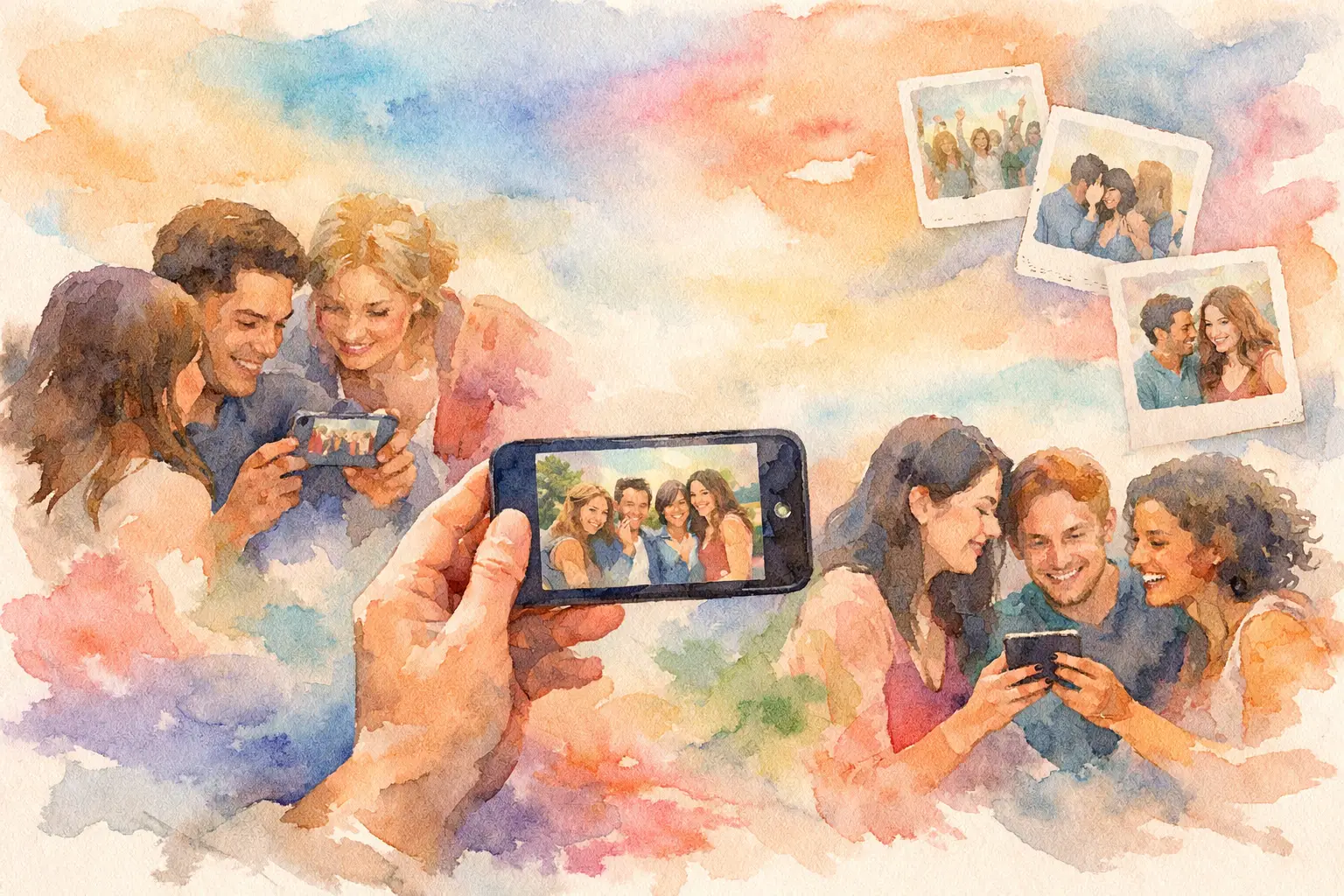
You can plan the playlist, lock in the venue, and obsess over the cake table - and still end up with the same post-event mess: 14 blurry texts, 22 Instagram tags, one AirDrop attempt that failed, and a friend who swears they have the best photos but never sends them. That is exactly why a group event photo sharing guide matters. If you want the full story of an event, you need a system people will actually use in the moment.
The problem is not that guests do not take photos. They do. The problem is friction. Anything that asks people to download an app, make an account, remember a password, or upload later is already losing. The best event photo setup feels almost invisible. Guests scan, snap, and go back to having fun.
What a good group event photo sharing guide should solve
Most photo-sharing advice starts too late. It focuses on what to do after the event, when attention has already moved on. By then, people are back at work, hungover, traveling home, or scrolling through five other weekend plans. If your system depends on them remembering to upload later, participation drops fast.
A smarter approach starts before the first photo is taken. You want one place for the memories, one easy entry point for guests, and as few decisions as possible. Good photo sharing should collect candid moments from lots of people without turning the event into a tech tutorial.
That means your setup needs to handle a few realities at once. Some guests are detail-oriented and will contribute a lot. Some will only take two photos all night. Some will have spotty service. Some will be older relatives who do not want another app. Some will be your most online friends who expect things to work instantly. A strong system respects all of that.
The best group event photo sharing guide starts before guests arrive
The biggest mistake hosts make is treating photo sharing like an afterthought. If you want more than a handful of random uploads, set expectations early.
Tell guests there will be a shared album before the event starts. This can be part of the invite, event page, or welcome message. Keep it short. Something like: add your photos here, no app needed. That single promise matters because it answers the question people do not ask out loud: is this going to be annoying?
Then make access obvious on the day of the event. QR codes work well because they remove the awkward step of typing in a link. Put them where people naturally pause - entry tables, bars, dinner tables, welcome signs, hotel gift bags, conference check-in desks. If guests have to hunt for the photo-sharing option, many simply will not bother.
This is also where format matters. A wedding needs something elegant and low-pressure. A birthday wants speed and fun. A work event may need more structure and privacy. The basics are the same, but the framing changes. People participate more when the photo experience matches the event itself.
Why old-school sharing methods keep failing
Shared text threads feel easy until they become chaos. Photos get compressed, buried, and mixed with unrelated messages. Social platforms are worse if you want everyone’s content in one place. Some guests do not post, others post selectively, and privacy gets messy fast.
Traditional shared folders sound organized, but they often depend on too much effort. Guests need the right link, the right permissions, and enough motivation to upload later. That is a lot to ask after a long night.
Disposable cameras solved one problem by making participation simple, but they created another. You had to wait, pay for development, and hope half the shots were not accidental ceiling photos. People still love the feeling of disposable cameras, though. That is the clue. The magic is not the hardware. It is the spontaneity.
That is why modern event photo sharing works best when it borrows the fun part of disposable cameras and drops the hassle. Limited shots, nostalgic filters, and a delayed reveal can make guests more intentional and more curious. Counterintuitively, a little structure often creates better participation than unlimited uploads.
How to choose the right setup for your event
Not every event needs the same kind of photo-sharing flow. If your priority is speed, use a system that lets guests join instantly and start taking photos right away. If your priority is privacy, choose a private album that keeps the gallery limited to the group. If your priority is engagement, features like timed reveals can turn the gallery into a second moment worth anticipating.
For weddings and milestone celebrations, the emotional payoff matters as much as the logistics. Guests love feeling like they are helping document the day, not just consuming it. The more effortless the process, the more likely you are to get the quiet in-between moments a hired photographer might miss.
For brand activations, conferences, and company events, volume and consistency usually matter more. You want lots of attendee perspectives without chasing people afterward. In those cases, device compatibility, upload reliability, and clear on-site prompts matter a lot. If Wi-Fi is weak or cell service is packed, offline capture syncing can be the difference between a great gallery and a half-empty one.
This is where a platform like Revel fits naturally. It is built around the part most tools get wrong: getting guests to actually participate. Scan a code, join instantly, take photos, and see the gallery together at the reveal. No app. No account wall. Much less drop-off.
Small choices that increase participation fast
If you want more photos, do not just give people access. Give them a reason.
A prompt helps. At a bachelorette party, ask for “your favorite chaos shot.” At a baby shower, prompt guests to capture details the parents may miss. At a team offsite, ask for the funniest candid of the day. People respond well to a tiny bit of direction because it turns sharing into part of the experience instead of an admin task.
Timing matters too. If you only mention the album once at the beginning, many guests will forget. A second reminder midway through the event works well, especially once people are already in photo mode. Keep it casual and visible.
Design matters more than people think. A polished interface, easy camera access, and clear photo count all signal that the experience will be quick. Guests can feel clunky tools instantly. When something looks confusing, they bail.
There is a trade-off here, though. If you overproduce the setup, it can feel corporate or forced, especially at personal events. You want enough structure to make sharing easy, not so much that guests feel managed. The sweet spot is simple, social, and almost playful.
Common mistakes in any group event photo sharing guide
The first mistake is assuming people will upload later. They usually will not.
The second is offering too many paths. If some guests text photos, some post them socially, some use a folder, and some never share at all, you do not have a system. You have a scavenger hunt.
The third is ignoring privacy. Public hashtags and open galleries may work for some brand events, but they are a bad fit for many weddings, family parties, and internal company gatherings. Know what your group expects.
The fourth is forgetting the reveal. A shared album is not just storage. It is part of the afterglow. When everyone gets to revisit the event together, the photos become more than files. They become a second shared experience.
Make the gallery feel worth coming back to
The best event galleries do not just collect content. They build anticipation. That is why delayed access can work so well. Instead of everyone instantly skimming random uploads in real time, the group gets a moment later when the full story opens up together.
That works especially well for weddings, birthday weekends, college reunions, and vacations. The reveal recreates some of the old disposable camera thrill, but without the grainy guesswork and lost film. You still get the surprise. You just do not sacrifice convenience.
And yes, quality still matters. Candid does not have to mean low-res. If your platform compresses everything or fumbles uploads, the emotional payoff drops. People want authentic photos, but they still want them to look good enough to save.
A great event deserves better than scattered screenshots and forgotten promises to send the pics later. Set it up early. Keep it frictionless. Make it fun enough that people actually join. When photo sharing works, the event lasts longer than the final song.
A writer interested in connection, memory, and the everyday moments that matter more than we realize.
Tags: Event photo sharing , Event photography , Event photo collection , Group activities , Photo sharing