What Is a Digital Disposable Camera?
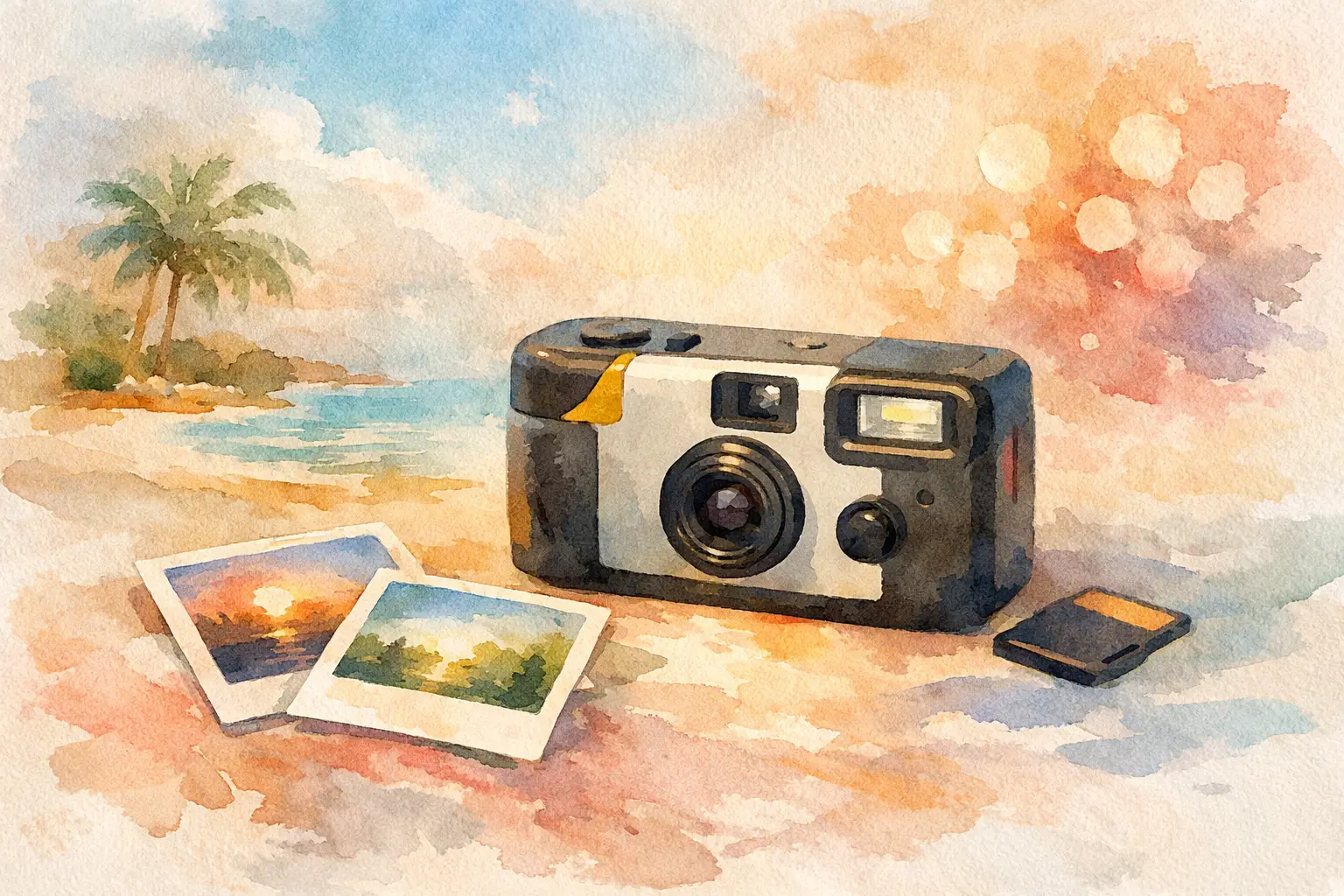
Someone always says, “Send me the pics,” and then nothing happens. A few friends post to Instagram. Someone drops 14 blurry shots in the group chat. Your cousin has the best dance floor photos and never shares them. That messy after-party scramble is exactly why people ask, what is a digital disposable camera?
A digital disposable camera is a modern event photo tool that recreates the feel of a disposable camera on your phone. Guests join with a quick link or QR code, take a limited number of photos, and add them to a shared gallery without passing around a physical camera or collecting random uploads later. It keeps the fun, low-pressure energy of disposable cameras, but cuts the parts everyone hates - film processing, lost cameras, bad scans, and chasing people for photos.
The appeal is simple. It makes people participate.
What is a digital disposable camera and how does it work?
At its core, a digital disposable camera is a shared photo experience designed to feel casual, nostalgic, and slightly constrained in a good way. Instead of giving everyone unlimited camera-roll chaos, it gives them a defined space to capture the moment.
Usually, the host creates an event and shares access through a QR code or link. Guests open it on their phones, no complicated setup required, and start taking photos inside that experience. Depending on the platform, there may be shot limits, filters that mimic film, or a delayed reveal so nobody sees the full gallery until later.
That last part matters more than it sounds. When photos are hidden until after the event, people stay present. They stop curating in real time and start capturing what actually happens. More laughter. Less retaking.
A good digital disposable camera also solves practical issues that physical disposables never could. Photos upload in high resolution. Guests can contribute from their own phones. Offline capture can sync later. And nobody has to remember to bring batteries, buy film, or drop anything off for development.
Why people love the disposable camera feel
Disposable cameras were never popular because they were technically amazing. They were popular because they made pictures feel social.
You snapped what was happening, not what was polished. The framing was imperfect. The flash was aggressive. The results were a surprise. That mix created photos people actually wanted to keep.
Digital disposable cameras borrow that energy without pretending your phone is suddenly a 1998 point-and-shoot. The point is not fake retro for the sake of it. The point is permission. Permission to take fun photos, candid photos, weird photos, and not overthink every shot.
For weddings, birthdays, vacations, baby showers, and company events, that changes behavior fast. When the rules are simple and the vibe feels playful, more guests join in. People who would never upload to a shared album suddenly do, because it feels like part of the event instead of admin.
How it’s different from a regular shared album
This is where people get confused. A digital disposable camera is not just a folder where people dump photos afterward.
A regular shared album is passive. It asks guests to remember, sort, select, and upload later. That sounds easy until the event ends and everyone moves on. Participation drops because every extra step gives people a reason not to bother.
A digital disposable camera is active. It’s built for the event itself. Guests scan, shoot, and contribute in the moment. The structure is the feature.
That structure can include a few things: limited shots, themed filters, private access, and delayed gallery viewing. These are not gimmicks. They change how people use it. Limited shots make photos feel intentional. Private access makes people more comfortable sharing candid moments. Delayed reveals build anticipation and keep the gallery feeling like an event payoff, not just another camera roll.
If you’ve ever tried to collect party photos through text messages, AirDrop, email, and six different social apps, you already know why this format works better.
What is a digital disposable camera good for?
Pretty much any event where the best photos come from the people actually in the room.
Weddings are the obvious example. Guests catch table moments, getting-ready candids, late-night dance floor chaos, and all the tiny interactions a formal photographer can’t be everywhere for. The result is fuller coverage and more personality.
Birthday parties and graduations work well for the same reason. People want spontaneous group shots, not just posed photos near the cake or backdrop. On trips and vacations, a digital disposable camera helps everyone contribute to one shared memory instead of leaving photos trapped across five devices.
It also makes a lot of sense for work events and brand activations. Team offsites, launch parties, conferences, and pop-ups all benefit when participation is instant and easy. If people can scan and start shooting without downloading an app or making an account, contribution rates usually go up. A lot.
That’s one reason tools like Revel have traction with both social hosts and professional organizers. The best event tech doesn’t ask guests to work harder. It removes excuses.
The trade-offs to know before you use one
A digital disposable camera is great, but it’s not magic. It helps to know what it does well and where expectations should stay realistic.
First, it is not a replacement for a professional photographer if you need guaranteed coverage, specific portraits, or polished hero images. Guest photography is valuable because it’s candid and distributed. That also means quality will vary.
Second, not every platform handles participation equally well. If setup is clunky, requires an app, or asks guests to create accounts, a lot of people will drop off immediately. The whole point is low friction. Lose that, and the format loses its edge.
Third, “disposable” can mean different things depending on the product. Some focus mainly on filters. Others focus on shot limits. Others lean into private galleries or timed reveals. It depends on the event you’re planning. A wedding might benefit from a reveal moment and broad guest access. A branded event might care more about clean gallery collection and high-res output.
So when people ask what is a digital disposable camera, the best answer is not just what it is. It’s what kind it is, and whether the experience actually fits the event.
What features actually matter?
If you’re choosing one, ignore the fluff and look at the participation mechanics first.
The best digital disposable camera experiences are fast to join and easy to use on any phone. QR code access matters because it meets people where they are - in the venue, in the moment, with their phones already out. No app download is a big deal too. Every extra tap costs you contributors.
Shot limits can be fun, but only if they feel playful instead of restrictive. Filters should add mood, not destroy image quality. Private galleries are important for personal events where people want candid photos to stay within the group. Delayed reveals can be a standout feature because they turn the gallery into part of the celebration instead of instant content consumption.
High-resolution uploads matter more than many hosts expect. If guests capture amazing moments, you want files that still look good later, whether that’s for printing, sharing, or keeping.
And if your event has spotty service, offline capture with later syncing is a quiet hero feature. Nobody wants a photo tool that stops working the second Wi-Fi gets weird.
Why this format works so well right now
Phone cameras got better. Attention spans got shorter. Nobody wants more apps, more accounts, or more post-event chores.
That’s why the digital disposable camera format fits the moment. It combines nostalgia with convenience in a way that actually changes behavior. Guests know how to use their phones. They like interactive moments. They respond to simple prompts. Give them a clear reason to contribute, and they usually will.
There’s also a bigger cultural shift here. People still want polished photos, but they’re tired of overproduced everything. They want proof they were there. Their friends were there. The night had texture. The trip felt real. The event wasn’t just content. It was a shared experience.
A digital disposable camera captures that mood better than a random shared album ever could because it’s designed around the group, not just the files.
If you’re planning something people will talk about after it ends, this kind of photo experience does more than collect images. It gives everyone a role in the memory. And that’s usually the part people remember most.
A writer interested in connection, memory, and the everyday moments that matter more than we realize.
Tags: Digital disposable camera , Disposable camera app , Wedding disposable camera , Camera app , QR code camera , Vintage camera apps , Film roll app , Wedding app , Wedding photo app