Wedding Photo Studio: Pros, Pricing, and What to Ask
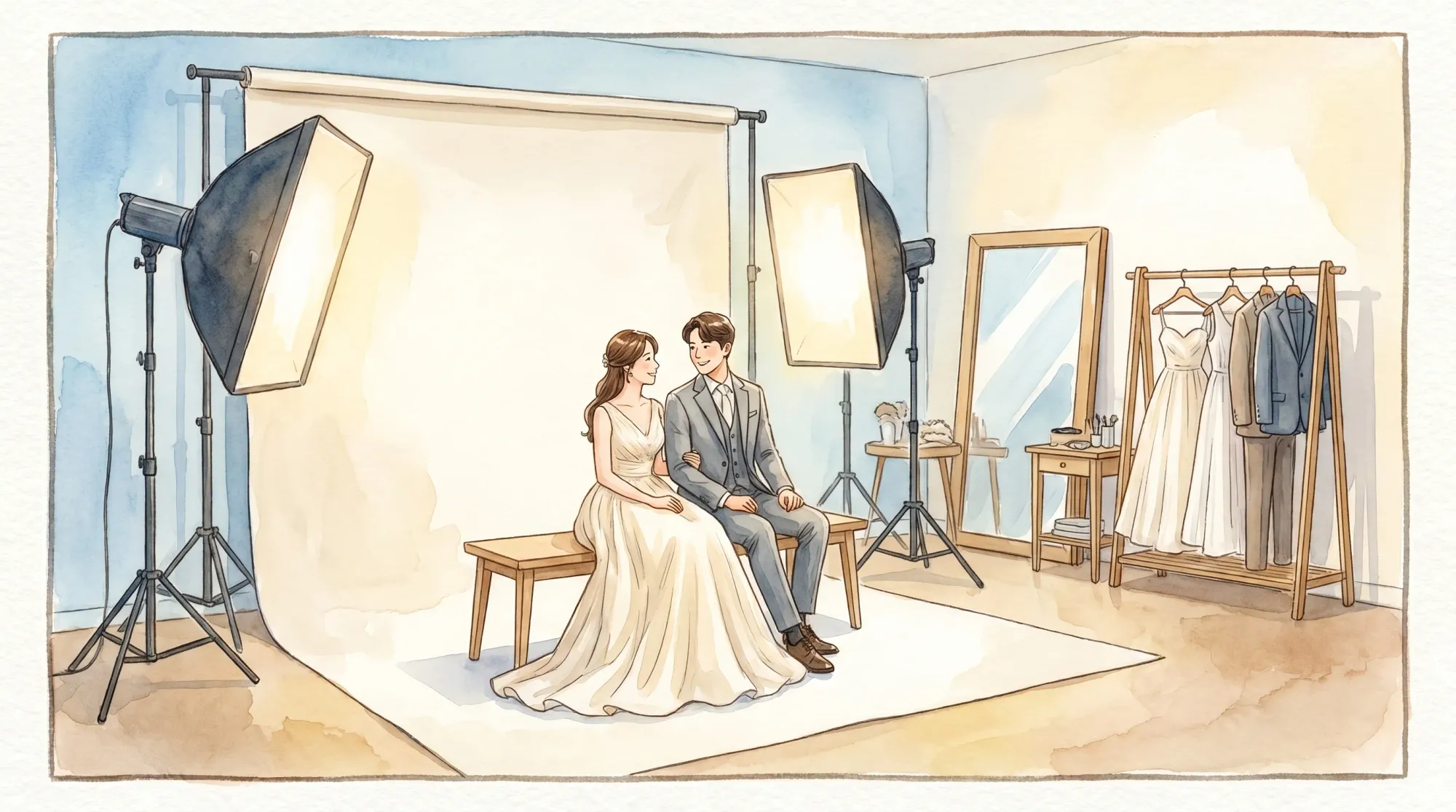
A wedding photo studio can be the difference between “we got a few nice portraits” and “we have clean, frame-worthy photos of us and our families that actually look like us.” It can also be an easy way to lower stress if your venue is unpredictable (weather, tight timelines, harsh midday sun) or if you want a polished look that’s hard to guarantee on-location.
But studios vary a lot. Some are essentially portrait boutiques with strict packages, others feel like a creative production space you can tailor to your wedding weekend. This guide breaks down the real pros, common tradeoffs, how wedding photo studio pricing typically works, and the questions that protect your budget and your results.
What “wedding photo studio” can mean (and which one you’re actually booking)
When couples search wedding photo studio, they’re often talking about one of these scenarios:
- Engagement or save-the-date session in a studio (controlled light, simple backgrounds).
- Bridal portraits (solo or with wedding party) before the wedding day.
- Couple portraits after the wedding (a “day-after” session) without timeline pressure.
- Family studio portraits around the wedding weekend (especially if family is in town).
- A studio-style photographer (a brand whose signature look is studio lighting), even if they shoot on-location.
Clarifying the scenario matters because it affects pricing, timing, deliverables, and how you coordinate it with wedding-day photography.
Pros of using a wedding photo studio
Reliable, flattering light (no weather roulette)
Studios are designed for consistent lighting. That means fewer squints, fewer harsh shadows, and more predictable skin tones. If you love a bright, editorial, clean portrait look, a studio is often the fastest route.
Faster sessions (because the setup is already built)
On-location portraits often include time sinks: walking, scouting, waiting for crowds to clear, and dealing with changing sun. A studio session can be more efficient because the photographer controls the environment.
Cleaner backgrounds, fewer distractions
If your venue has visual clutter (signage, parked cars, busy hotel lobbies), a studio gives you a controlled aesthetic. That can be especially valuable for:
- Save-the-date images
- Formal family portraits
- Bridal portraits intended for prints
Easier for older family members or mobility needs
Studios typically have easier access to seating, restrooms, and climate control. If you want formal portraits with grandparents, a studio session can be more comfortable than a long outdoor block.
Better consistency for large groups
Family group photos are where chaos shows up first. Studio lighting and a fixed setup can make big groups look more even (less “half the group is in shadow”).
Cons and tradeoffs to plan for
Studios do not replace wedding-day coverage
A studio is great for portraits, but it won’t capture ceremony moments, cocktail hour reactions, or the dance floor story. Most couples still want a wedding photographer for the day itself.
The “studio look” is not everyone’s style
Some couples want golden hour, documentary candids, or scenic landscapes. Studio portraits can feel too polished if you prefer a natural environment.
Many studios use boutique pricing structures
Some studios advertise a low session fee, then charge separately for digitals, prints, albums, and retouching. This is not automatically bad, but you must understand the full cost before you fall in love with the gallery.
You may need to coordinate hair and makeup twice
If you’re doing bridal portraits in-studio on a different date than your wedding, you may pay for beauty services again (or do your own). That can change whether the studio session feels “worth it.”
Wedding photo studio pricing: how it usually works
Pricing varies by city, photographer demand, and deliverables, but studio pricing is typically built from a few common components.
1) Session fee (the time and the shoot)
This may include the photographer’s time, the studio space, basic posing guidance, and sometimes a small set of edited images.
Key point: a session fee does not always include the images you actually want.
2) Digital images (how many you can download)
Studios commonly price digitals in one of these ways:
- A set number of images included (for example, 10 edited files)
- Tiered collections (small, medium, full gallery)
- Per-image purchasing after you view a proof gallery
Ask whether digitals are high-resolution and whether you get print rights (more on that below).
3) Products (prints, albums, framed wall art)
Many studios are print-forward. You might see packages structured around products rather than downloads. If you want heirloom prints, that can be a plus. If you only want files to share online, you’ll want to ensure the package matches that goal.
4) Retouching and editing scope
Basic editing is usually included. More intensive retouching may be optional.
Instead of asking “Do you retouch?”, ask: “What is your standard edit on every delivered image, and what counts as additional retouching?”
5) Styling, wardrobe, and HMUA coordination
Some studios include styling guidance, client closet access, or HMUA referrals. Others charge for add-ons.
6) Rush delivery fees
If you need images fast (for invitations, a newspaper announcement, a rehearsal dinner slideshow), studios may offer rush turnaround.
A simple way to estimate the real total
Before booking, request an “all-in” estimate using your likely choice:
- Session fee
- Your intended number of digitals
- Any products you actually want (prints, album)
- Taxes and shipping (for products)
If you’re also budgeting wedding-day photography, you may find it helpful to separate:
- Studio portrait budget (engagement, bridal, family)
- Wedding-day coverage budget (ceremony through reception)
If you want a deeper dive on wedding-day photography costs specifically, Revel.cam also has a separate guide: Wedding Photographer Cost in 2026: Packages, Hours, Deliverables.
Studio vs on-location: a practical comparison
| Decision factor | Wedding photo studio | On-location portraits |
|---|---|---|
| Light consistency | High | Variable (weather, sun angle, venue shadows) |
| Background control | High | Depends on venue and crowds |
| Timeline predictability | High | Medium (travel + scouting adds time) |
| “Story” feel | More classic/portrait-driven | More environmental and documentary |
| Accessibility | Often easier | Depends on terrain, distance, heat/cold |
| Best for | Formal portraits, clean aesthetic, large family groups | Scenic couples photos, candid walking shots, venue context |
What to ask a wedding photo studio before you book
These questions are designed to uncover the biggest budget surprises and expectation mismatches.
Coverage, style, and who is shooting
- “Can we see 2–3 full galleries from sessions like ours?” (Not just highlights.)
- “Who will photograph the session, and what happens if they’re sick?”
- “What posing guidance do you give for people who feel awkward?”
Deliverables and rights
- “What exactly is included in the price we’re considering?” (Number of images, file resolution, products.)
- “Do we receive high-resolution digital files?”
- “Are print rights included, or are prints required to be ordered through you?”
- “How long will you keep our gallery available to download?”
Editing and consistency
- “What is your standard edit on delivered images?” (Color, skin smoothing, background cleanup.)
- “What counts as extra retouching, and how is it priced?”
- “Can you match this reference style (and what would you change about it)?”
Logistics that affect the experience
- “How long is the session, and what’s the typical flow?”
- “Where do we change, prep, and store personal items?”
- “What should we wear to fit your lighting and backgrounds?”
- “Is hair and makeup recommended for your lighting style?”
Policies and contracts
- “What is the reschedule policy for illness or emergencies?”
- “What is the cancellation policy, and is the retainer refundable?”
- “Do you have liability insurance?” (Especially if you’re renting a studio space.)
A quick red-flag check
A studio might be a poor fit if:
- They won’t show full galleries.
- They can’t clearly explain what you get for the price.
- Their contract is vague about delivery timelines and image rights.
- Their editing examples look inconsistent from one gallery to the next.
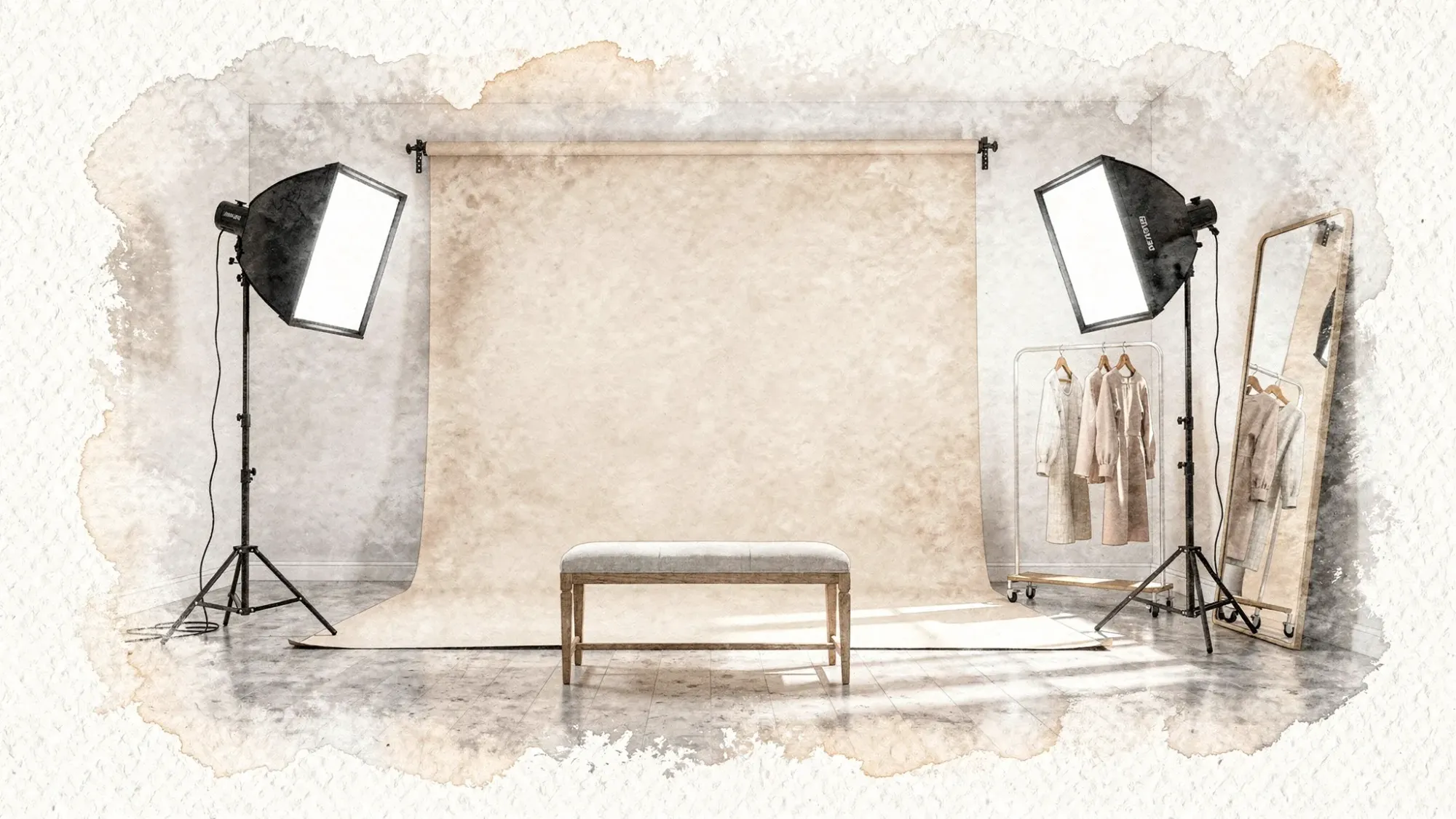
When a wedding photo studio is especially worth it
You want stress-free family formals
If your wedding day timeline is tight, doing some family portraits in-studio (either before the wedding or the day after) can reduce pressure and protect your ceremony-to-reception flow.
Your venue has tough lighting
If you’re getting married in a dark space with mixed lighting, or outdoors at midday with no shade, studio portraits can guarantee at least one set of “perfect light” images.
You’re planning a multi-event wedding weekend
For wedding weekends (welcome party, ceremony, brunch), a studio session can give you a polished anchor set, while the weekend coverage captures story and candids.
How to combine studio portraits with wedding-day photos (without duplicating spend)
A studio session works best when you treat it as a specific layer in your overall photo plan.
A simple hybrid strategy:
- Use the studio for the images that must be clean and printable (couple portraits, family groups, bridal portraits).
- Use your wedding-day photographer for the narrative moments (ceremony, first look, reception timeline).
- Use guests for parallel candids and perspectives you won’t otherwise see.
This third layer is where a lot of couples lose photos, not because guests didn’t take them, but because they never get collected.
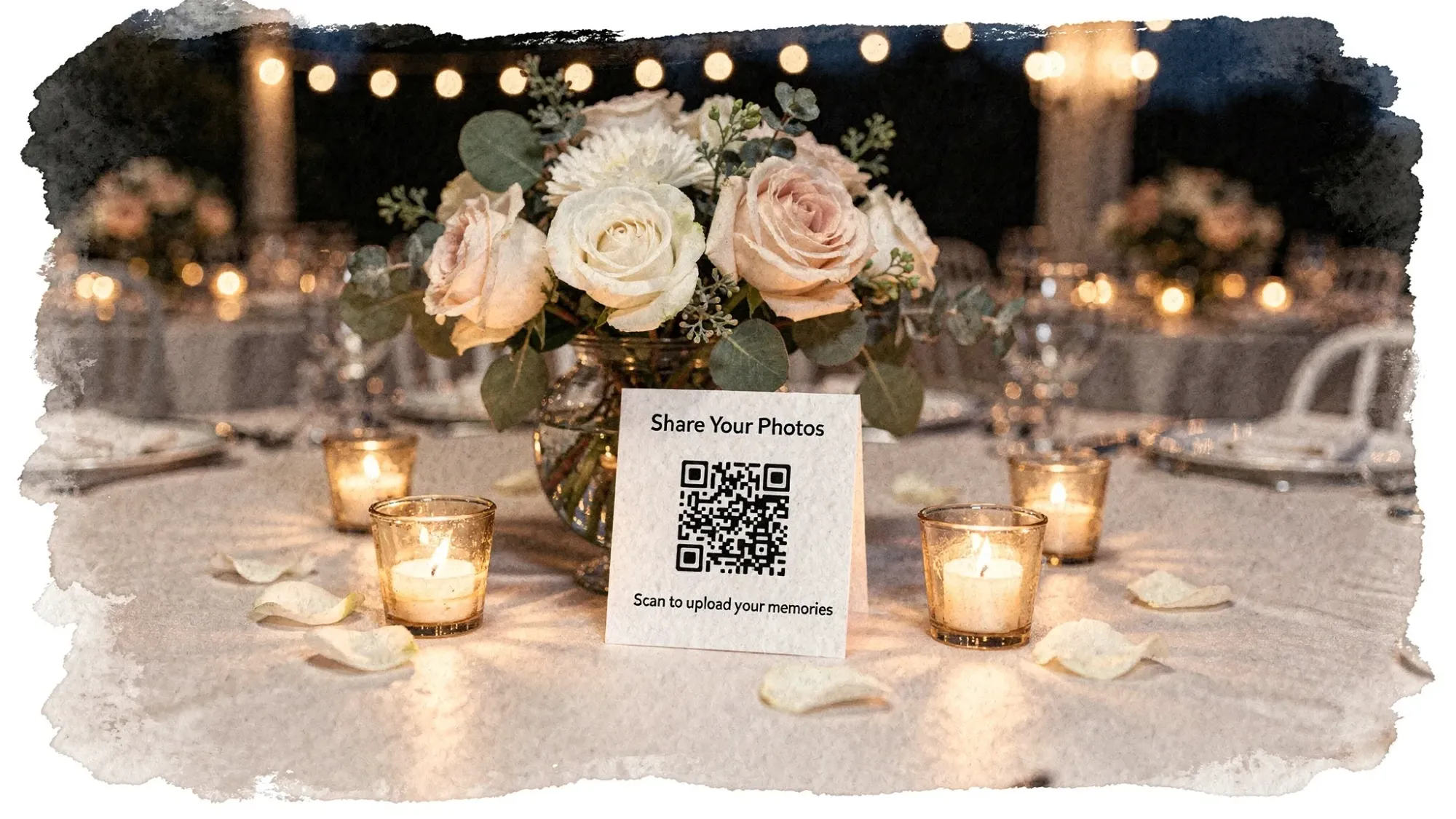
If you want guest photos without group chat chaos, Revel.cam is built for exactly that workflow: guests scan a QR code (or tap an NFC tag) to open a camera and upload photos instantly, with no app install or signup required. You can set limits, end the Moment, and review photos before sharing the gallery.
You can learn the concept in: QR Code Camera: Let Guests Snap and Upload in Seconds.
Frequently Asked Questions
Is a wedding photo studio the same as a wedding photographer? A wedding photo studio usually refers to a studio-based portrait experience (engagement, bridal, family). A wedding photographer typically covers the wedding day timeline. Some brands do both, but the deliverables and pricing can differ.
How far in advance should we book a studio session? If you need photos for save-the-dates or invitations, book early enough to allow for scheduling plus editing and delivery. Ask the studio’s typical turnaround time and build in buffer.
Do studio photos look “less real” than wedding photos? They can, depending on lighting style, posing, and backgrounds. If you want a more natural feel, ask to see full galleries with movement prompts, candid posing, and less dramatic retouching.
What’s the biggest pricing surprise with studios? The most common surprise is that the session fee is separate from digitals or prints. Always request an all-in estimate for the number of images you actually want.
Can we rely on guests instead of hiring wedding-day coverage if we do studio portraits? Studio portraits can cover the polished formal images, but guests rarely replace the consistency and storytelling of professional wedding-day coverage. A hybrid plan is usually safer: pros for key moments, guests for candids.
Turn your wedding into a shared camera (so you actually get the candids)
A wedding photo studio can give you polished portraits, but it won’t capture every reaction, table moment, and late-night story beat. If you want the full picture, add a simple guest-photo layer that doesn’t require chasing people afterward.
Create a private Moment on Revel.cam and let guests scan a QR code (or tap NFC) to snap and upload in seconds, no app install or signup required. You set the guest limits, photo limits, and end time, then review and share a beautiful gallery when the Moment ends.
A writer interested in connection, memory, and the everyday moments that matter more than we realize.
Tags: Wedding photography , Wedding photos , Wedding photo ideas , Wedding photo gallery , Group wedding photos , Wedding photo sharing , Wedding photography costs