Wedding Picture Inspiration: Realistic Poses and Candid Prompts
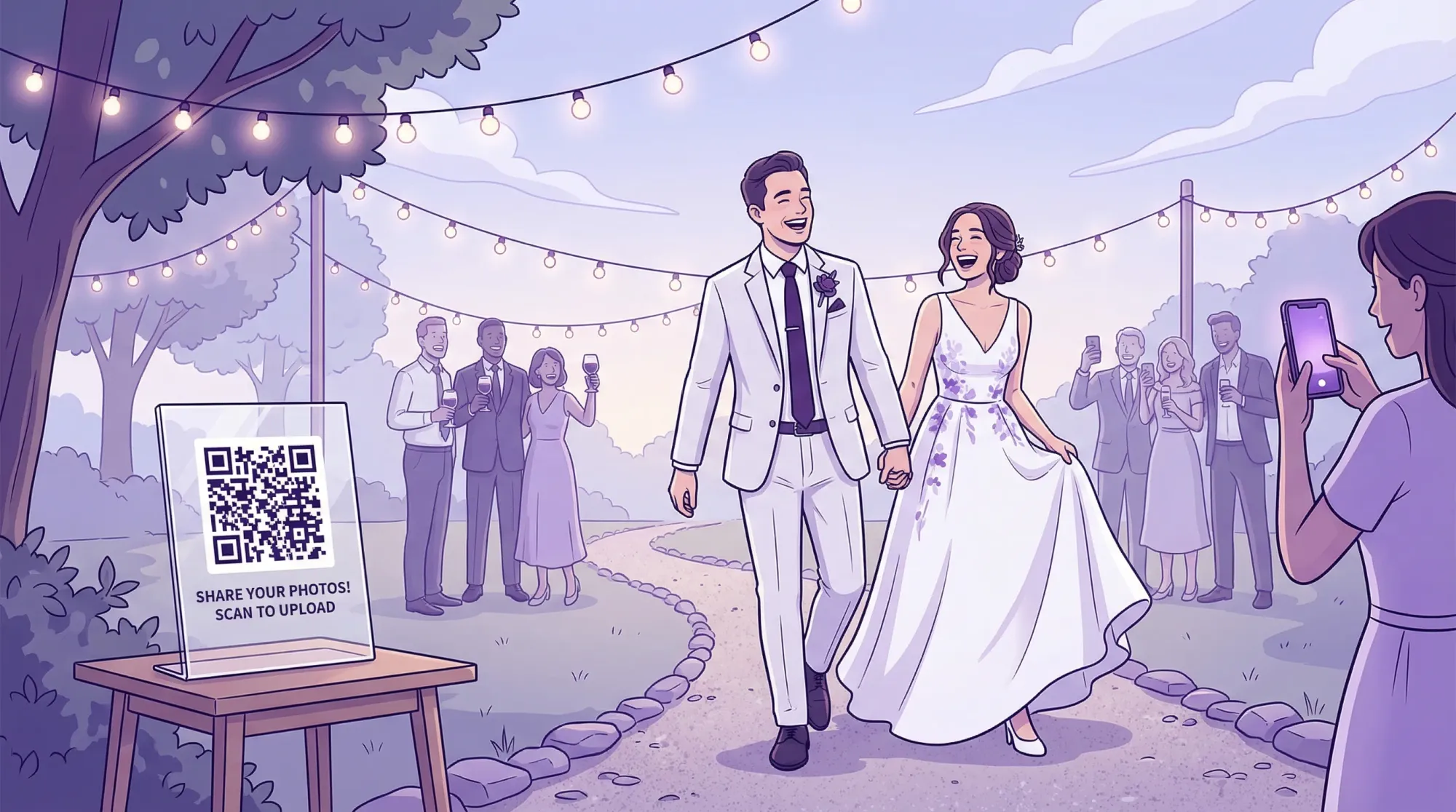
Pinterest can be incredible for wedding picture inspiration, but it can also set you up for photos that feel stiff, overly staged, or simply unrealistic for a real wedding timeline. The good news is that you do not need model poses or a perfect golden-hour schedule to get beautiful images. You need a few “anchor” poses that work in real life, plus candid prompts that create genuine reactions.
This guide gives you both: realistic, repeatable poses (with what to do with your hands and where to look), and candid prompts you can hand to your photographer, wedding party, or even your guests.
The goal: natural photos, not perfect posing
The most flattering wedding photos usually come from two ingredients:
- Simple structure (a pose that puts bodies in a good position for light and angles)
- Real interaction (a prompt that creates a real expression instead of a “say cheese” face)
Think of poses as a starting point, not a finish line. Your photographer sets the scene, then you add motion, touch, and attention.
Quick prep that makes every pose easier
A tiny bit of prep removes most of the awkwardness.
Share your “how we want to feel” notes
Instead of sending 80 saved photos, send your photographer a short note like:
- “We want photos to feel candid and energetic, not super posed.”
- “We love movement, laughing, and guest interactions.”
- “We prefer flattering angles, but nothing too editorial.”
That gives direction without locking you into someone else’s body language.
Practice three micro-moves (it sounds silly, it works)
Try these once at home:
- The slow walk: walk close, hips forward, shoulders relaxed, and take smaller steps than you think.
- The soft touch: one hand on a shoulder, collarbone, or waist, then hold for two breaths.
- The lean-in reset: foreheads almost touch, then pull back slightly and smile.
When you do these on the wedding day, you will look natural faster.
Realistic couple poses you can actually do (without feeling staged)
Below are dependable “anchor poses” that photographers love because they work in tight timelines, mixed weather, and crowded venues.
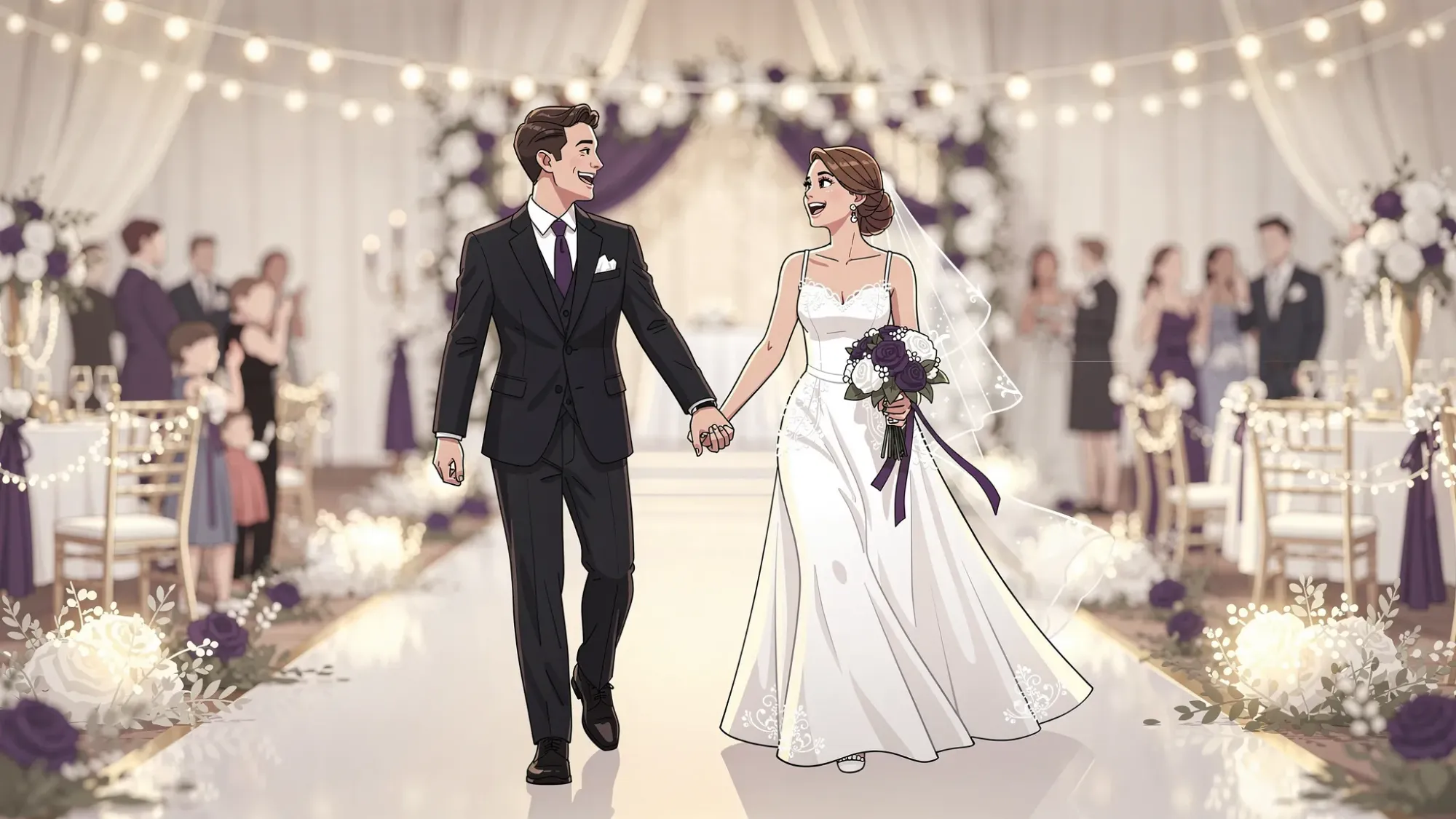
1) The 45-degree stand (the most forgiving classic)
Stand hip-to-hip at a slight angle to the camera, not straight on. One of you looks at the other, the other looks slightly past the camera. Then switch. It creates variety in seconds.
2) The “whisper something” close-up
Get cheek-to-cheek. One person whispers something specific (not “I love you”), like “Tell me the worst Uber ride we have ever taken.” Real reactions show up immediately.
3) The forehead hover
Foreheads nearly touching, eyes closed for one beat, then open and smile. This avoids the intense “serious romance face” while still feeling intimate.
4) The slow walk with a stop
Walk toward the camera, then pause naturally like you got interrupted. It breaks the robotic “walking pose” look and gives your photographer an authentic moment to capture.
5) The spin that ends in a hug
If a twirl feels too performative, make it smaller. One spin, then the spinner steps in for a hug. The hug is the photo.
6) The side-by-side “look out” pose
Stand next to each other looking out at the venue, the view, or guests arriving. It is a great reset pose when you feel overwhelmed.
7) The seated edge (works even in a busy room)
Sit on the edge of a bench or chair. Angle knees slightly away from camera, shoulders back, then lean in. Seated posing removes “what do I do with my legs?” instantly.
8) The jacket or bouquet adjustment
One of you adjusts the other’s jacket, tie, necklace, veil, or bouquet. It looks candid because it is something you would actually do.
9) The “hands only” detail crop
Hold hands at waist level and gently squeeze. Look at your hands for a second, then look up at each other. This creates both detail and emotion.
10) The “one-step away” kiss
Stand close, take one small step apart, then lean in for a quick kiss and pull away. The pull-away smile is often the keeper.
11) The over-the-shoulder glance
One partner faces slightly away, then looks back over their shoulder at the other partner approaching. It adds story and avoids stiff symmetry.
12) The “walk into the crowd” exit
After the ceremony or during cocktail hour, walk into your guests and let people react. Your photographer can capture congratulations, hugs, and happy chaos.
A fast cheat sheet (poses by best moment)
| Pose | Best time to use it | Why it works in real life |
|---|---|---|
| 45-degree stand | Any time, any light | Quick, flattering, low effort |
| Slow walk + stop | Between locations | Movement creates natural expressions |
| Seated edge | Cocktail hour, reception | Calms nerves and looks intimate |
| Whisper prompt | Portrait time | Guarantees authentic laughter |
| Adjustment moment | Getting ready, portraits | Looks candid and story-driven |
Wedding party and family poses that do not feel stiff
Group photos get awkward when they become a geometry exercise. The fix is to give people a job (look at someone, toast, walk, squeeze in), then take multiple frames quickly.
Wedding party: three group setups that look modern
The “staggered line”: Put people in a loose line, but stagger depth. Two people slightly forward, two slightly back, and everyone angled a bit. It looks editorial without trying.
The “walking pack”: Have the party walk toward camera in a loose cluster. Tell them to talk to each other, not the camera. It produces laughter and natural hand movement.
The “huddle then break”: Everyone leans in for a quick huddle (like a sports team), then breaks outward. The huddle is often the best frame.
Family photos: how to make them faster and more flattering
Build from the center out. Start with the couple, add parents, then siblings, then grandparents. This reduces reshuffling.
Use height intentionally. Seated grandparents first, then standing rows behind. If everyone stands in a flat line, faces look less connected.
Give a one-line direction. “Everyone look at the couple,” then “Everyone look at me,” then “Everyone look at Grandma.” You get three different vibes in under 15 seconds.
Candid prompts that create real reactions (not forced laughs)
Candid prompts work best when they are specific, slightly playful, and short. You want a response, not a performance.
Prompts for couples
Use these during portraits, transitions, or whenever you feel the camera energy get too intense.
- “Walk like you are heading into cocktail hour and you are starving.”
- “Hold hands and argue (politely) about where you should go on your next trip.”
- “Tell them the exact moment you knew you would marry them.”
- “Put your heads together and plan your post-wedding breakfast order.”
- “Try to make them laugh without touching them.”
- “Slow dance for 10 seconds like no one is watching.”
Prompts for wedding party
These keep photos fun without turning into a gimmick.
- “Everyone hype them up like they just nailed their vows.”
- “Compliment the couple, but make it extremely specific.”
- “Group hug, then on three, everyone points to who cried first today.”
- “Walk in like you are entering a movie premiere.”
Prompts for families (that do not cause chaos)
- “Everyone squeeze in and look at the couple for one second.”
- “Now everyone look at Mom.”
- “Whisper one word you hope their marriage feels like.”
Prompts for reception candids
These are great for dinner, dancing, and table moments.
- “Take a photo with the person you met tonight (or wish you met sooner).”
- “Show us your best ‘we are absolutely on the same team’ pose.”
- “Grab a group and recreate how you look when you realize your song is playing.”
Make your timeline “photo-friendly” with two simple changes
You do not need more photo time, you need better photo conditions.
Add micro-buffers where candids actually happen
Candids often happen in the cracks: walking to the ceremony, greeting guests, signing something, transitioning into the reception. A 5-minute buffer gives space for hugs and reactions, which photograph beautifully.
Create one or two “easy photo zones”
Pick spots with decent light and a clean background, then let people naturally gather there.
Examples:
- Near the bar (people are already social)
- By a wall of greenery or a simple backdrop
- Under string lights where guests linger
When guests naturally cluster in good light, candid photos get better without anyone trying.
How to get more guest candids (without chasing people later)
Even with a great photographer, guests capture moments you never see, table stories, behind-the-scenes emotions, and late-night energy. The main challenge is not taking the photos, it is collecting them.
If you want those guest perspectives, the simplest approach is to give everyone a single, obvious place to contribute during the wedding.
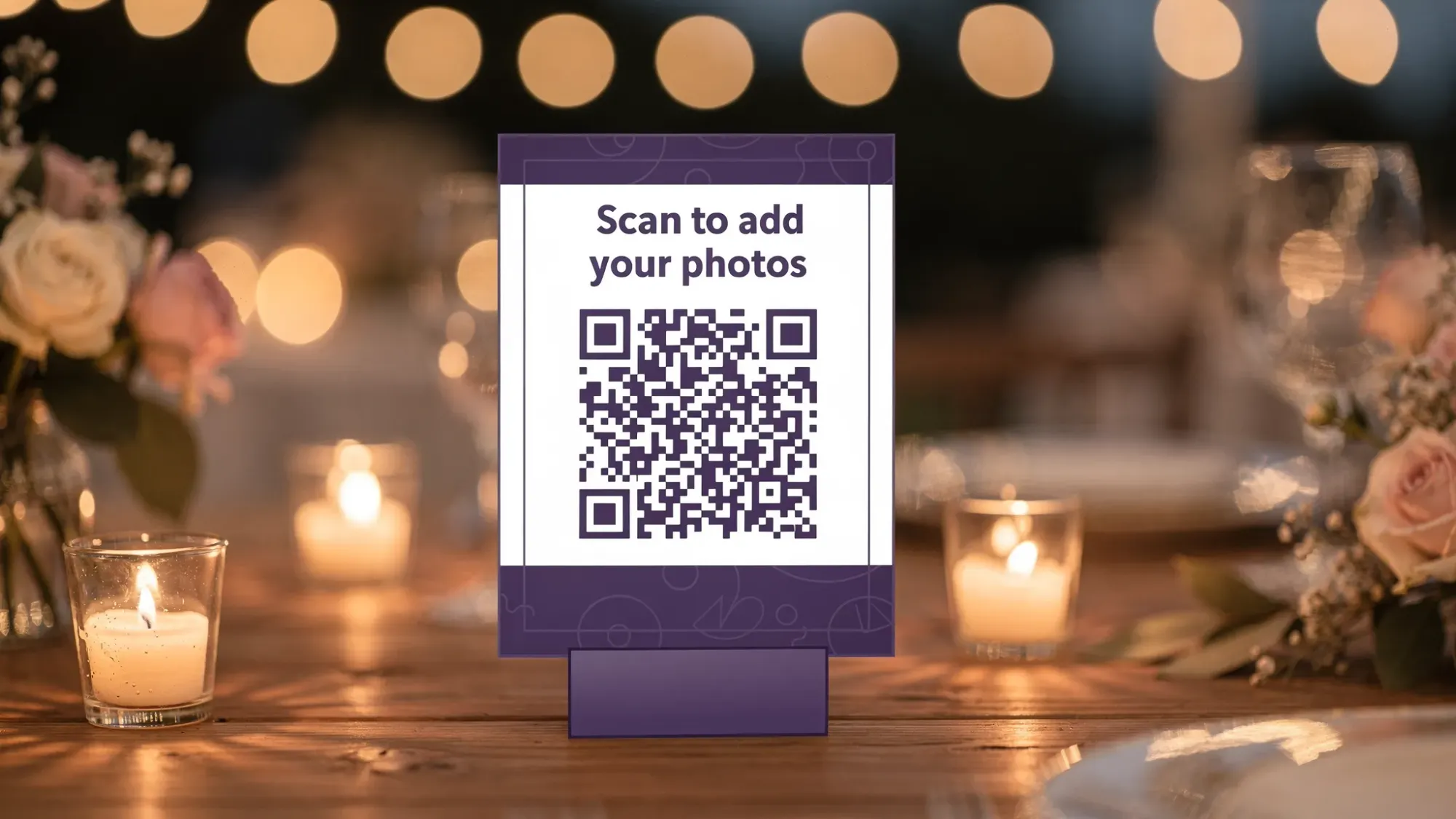
Revel.cam is built for this: you create a private event called a Moment, then guests scan a QR code or tap an NFC tag to open the camera and upload instantly, with no signup and no app install required. On iPhone, it can open as an App Clip, so guests go straight to the camera. As the host, you can set guest limits, photo limits, an end time, and review shots before sharing the gallery.
If you want the workflow, Revel has a practical guide on QR photo sharing for weddings and parties.
Frequently Asked Questions
What do I do with my hands in wedding photos? Give your hands a job: hold hands at waist level, one hand on a shoulder or waist, adjust a jacket or veil, or hold the bouquet lower and slightly away from your torso.
How do you look candid if you know the camera is there? Use prompts that create real interaction (whisper something specific, tell a quick story, walk and talk). Movement plus conversation beats “stand and smile” almost every time.
How many poses should we plan for couple portraits? Aim for 6 to 10 anchor poses that can be repeated in different locations. Each anchor pose can produce multiple photos by changing where you look, how close you stand, and whether you add motion.
When is the best time for relaxed couple photos? Many couples feel most relaxed either during a first look (fewer eyes on you) or during golden hour (soft light). If your timeline is tight, prioritize a calm 10-minute window over a longer rushed session.
How do I get better candid photos from guests at the reception? Make it easy and obvious: one sentence of signage, good lighting zones, and simple prompts like “Take a photo with your table” or “Find the couple and snap a quick congrats pic.”
Can guest photos replace a professional wedding photographer? Usually no. Guest photos are best as a second layer for candid storytelling, while a pro handles must-have moments, portraits, and consistent lighting.
Turn inspiration into a full wedding story (without the post-wedding photo chase)
Realistic posing and candid prompts will get you better photos immediately, but the last piece is collecting the photos people actually take. If you want a single private gallery that fills up during the wedding, you can use Revel.cam to create a Moment and share it via QR code, NFC, or a link.
Explore Revel.cam and set up your Moment so every hug, toast, and dance floor moment ends up in one place, not scattered across 40 phones.
A writer interested in connection, memory, and the everyday moments that matter more than we realize.
Tags: Wedding photography , Wedding photos , Wedding photo sharing , Wedding photography costs , Wedding photo gallery , Group wedding photos , DYI wedding photography