Event Photography Near Me: What to Ask Before You Hire
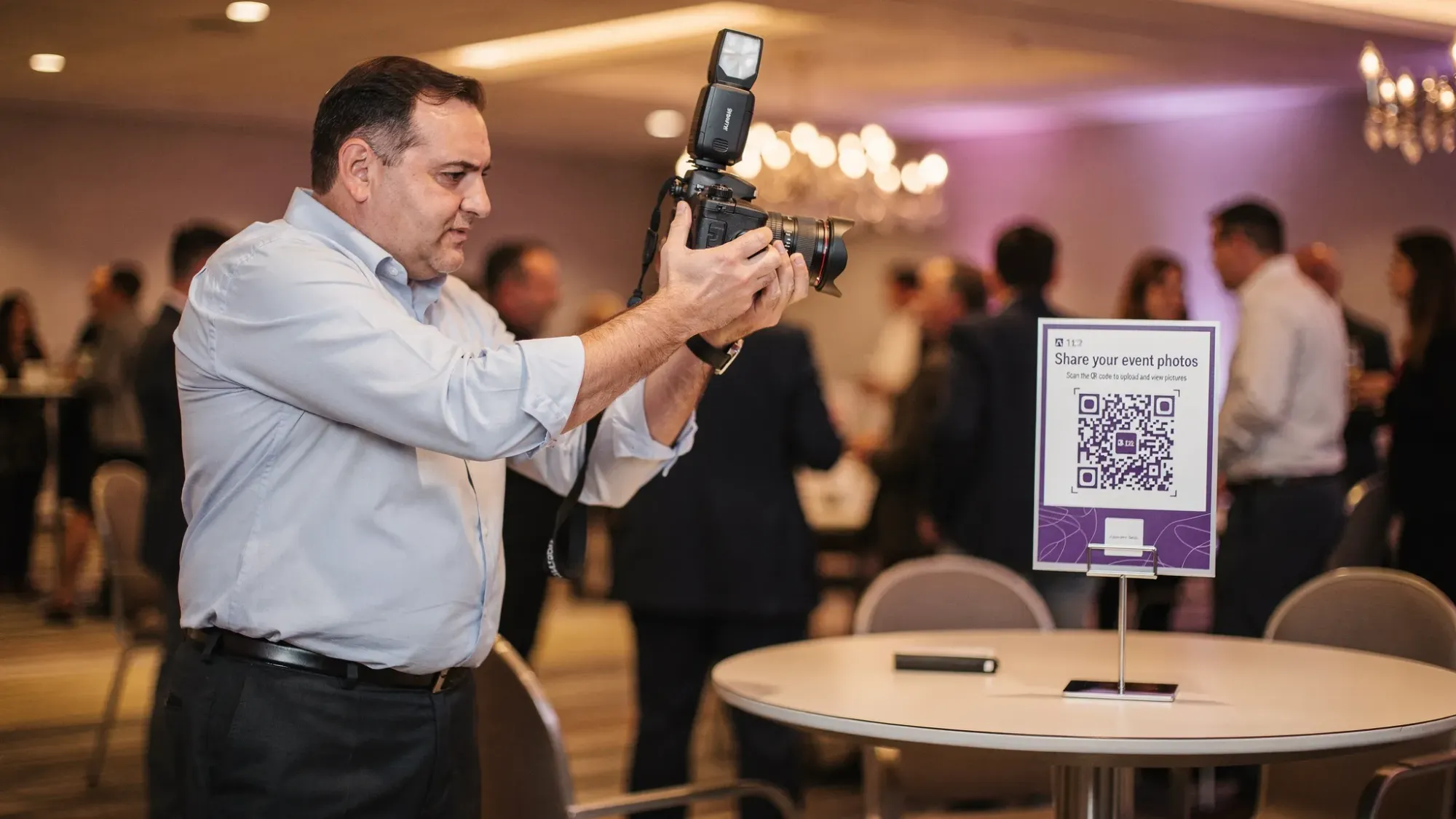
Searching “event photography near me” usually happens for one of two reasons: you have an event on the calendar and you want it documented professionally, or you have already been burned by blurry, missing, or late photos.
Either way, the fastest way to hire the right photographer is not by comparing Instagram grids. It’s by asking a consistent set of questions that reveal how they work: their process, their backups, their delivery, and how they handle real-world event pressure.
Below is a practical, copy-and-paste question list you can use for weddings, corporate events, birthdays, school events, brand activations, conferences, and everything in between.
First, get clear on what “event photography” means for your event
Before you reach out, decide what success looks like. Many hiring mistakes come from vague goals like “capture the vibe,” while the photographer is planning for “speaker on stage, podium shots, and step-and-repeat.”
Clarify these basics:
- Event type and flow: wedding ceremony + reception, conference sessions, awards dinner, launch party, etc.
- What the photos are for: personal memories, PR, internal comms, recruiting, sponsor recaps, social media, printed albums.
- Must-have moments: family formals, keynote, product demo, VIPs, team groupings, branded signage.
- Where photos will live: private gallery, press kit, company asset library, thank-you emails.
When you can describe the outcome, it becomes much easier to evaluate whether a photographer is a match.

Portfolio and style: questions that prevent “not what I expected”
A strong portfolio does not just look good, it looks consistent across different lighting and venues.
Ask these questions
“Can you show me a full gallery from an event similar to mine?” A highlight reel can hide gaps. A full gallery reveals how they handle bad lighting, mixed color temperatures, crowded dance floors, or fast-moving schedules.
“How would you describe your editing style?” Listen for specifics like true-to-color, warm, film-inspired, high-contrast, natural skin tones. Then compare those words to what you see.
“How do you handle harsh lighting or dark venues?” Event work is often imperfect lighting. A confident answer includes on-camera flash strategy, off-camera lighting, or a clear approach to preserving atmosphere without turning people into silhouettes.
Red flag to watch: They can’t provide full galleries, or their style varies wildly from one event to the next.
Coverage and timeline: get specific about what’s included
Most frustrations happen when expectations differ about time, locations, and what “coverage” actually means.
Ask these questions
“How many hours of coverage do you recommend for my timeline?” A good photographer asks follow-up questions about travel time between locations, room flips, speeches, and buffer time.
“Do you arrive early to scout, and what does that include?” Scouting improves consistency, especially for ceremonies, stages, or indoor venues.
“How do you handle family and group photos efficiently?” For weddings and big family events, ask if they help build a list and whether they’ll direct groups. For corporate, ask how they manage headshots or team photos without disrupting programming.
“What’s your approach to candid coverage versus posed photos?” You want someone whose default mode matches your event’s vibe.
Team, gear, and backups: the unglamorous questions that matter most
Professional event photography is risk management. You’re paying for experience, but also for redundancy.
Ask these questions
“Do you bring backup camera bodies, lenses, and lighting?” The right answer is yes, with specifics.
“What happens if you get sick or have an emergency?” Many photographers have a substitute network or a written contingency plan.
“Do you carry liability insurance, and can you provide a certificate if the venue requires it?” Many venues (especially hotels and corporate spaces) require proof.
“Will there be a second shooter or assistant?” If your event has simultaneous moments (getting ready in two locations, cocktail hour plus room details, multiple conference tracks), a second shooter can be the difference between “complete story” and “missed moments.”
Deliverables and turnaround: avoid surprises about what you receive
“Photos delivered” can mean anything from 30 images in a week to 800 images in 10 weeks.
Ask these questions
“How many edited images should I expect for an event like mine?” Numbers vary, but a professional should give a realistic range based on hours and event type.
“What’s your delivery timeline, and do you offer previews?” For weddings, you may want a small set quickly for thank-you messages. For corporate, you may need next-day selects for press or internal recaps.
“How will you deliver the gallery, and how long will it be available?” Ask about download options, resolution, and whether guests can download easily.
“Can we request specific edits (skin retouching, object removal, brand-sensitive cleanup)?” For brand events, ask how they handle logos, signage, and anything that can’t look distorted.
Usage rights and privacy: essential for corporate and still important for weddings
In the US, photographers typically own the copyright unless a contract states otherwise. What you’re usually buying is a license to use the images.
Ask these questions
“What usage rights are included?” Personal use differs from commercial use (ads, sponsored posts, billboards, product packaging). Get it in writing.
“Do you use client photos for your marketing? Can we opt out?” Some couples and many corporate teams need privacy.
“How do you handle photos of minors?” Schools and family events should discuss consent expectations.
If you want a reliable baseline, review U.S. Copyright Office guidance on photographs so you know what you’re negotiating.
Pricing, overtime, travel, and contract terms: protect your budget
Pricing is not just the hourly number. It’s the terms.
Ask these questions
“What’s included in your package price?” Confirm hours, number of photographers, editing, gallery delivery, travel radius, and any add-ons.
“What is your overtime policy?” Events run late. Know the hourly overtime rate and how it’s authorized.
“What’s the deposit and cancellation policy?” Especially important for weather-dependent outdoor events or venues with shifting schedules.
“Do you include travel, parking, and lodging if needed?” For city venues, parking can be a real line item.
Event-day communication: the “process” question that predicts everything
A photographer can be talented and still create friction if communication is unclear.
Ask these questions
“Who is our point of contact on the day of the event?” For weddings, this might be the planner. For corporate, it might be the event lead or marketing manager.
“How do you prefer we share the schedule, shot list, and VIP list?” Pros typically want a timeline in advance, plus a short must-have list.
“How do you handle sensitive moments or brand guidelines?” Examples: no alcohol photos, no backstage photos, no kids, no unreleased product.
For corporate events with multiple staff members interacting with attendees, consider training your team on how to direct people smoothly (where to stand, when to step aside, how to manage a quick line). Tools like AI roleplay training can help teams practice those real conversations before event day.
A simple checklist table you can use in every inquiry
Use this table to keep your calls consistent, especially when you’re comparing multiple “event photography near me” options.
| Category | Question to ask | Why it matters | Red flags |
|---|---|---|---|
| Proof of consistency | “Can I see a full gallery from a similar event?” | Reveals real lighting, pacing, and coverage | Only highlights, no full galleries |
| Style | “How do you describe your editing style?” | Prevents mismatched expectations | Vague answers, inconsistent look |
| Coverage fit | “How many hours do you recommend for my timeline?” | Right-sized coverage avoids missed moments | Pushes a package without asking about schedule |
| Logistics | “Do you scout the venue or arrive early?” | Better lighting choices, fewer surprises | No plan for new venues |
| Group photos | “How do you organize family/team formals?” | Faster, less stressful, fewer missing combos | Leaves groups to ‘figure it out’ |
| Gear redundancy | “What backup gear do you bring?” | Reduces failure risk | Only one camera body |
| Contingency | “What if you’re sick or can’t make it?” | Protects you from worst-case scenarios | No replacement plan |
| Insurance | “Do you carry liability insurance?” | Many venues require it | Doesn’t have it or avoids the topic |
| Delivery | “When will we receive the full gallery?” | Sets expectations for sharing and PR | No timeline in writing |
| Image count | “What range of edited photos is typical?” | Prevents disappointment | Won’t give any range |
| Rights | “What usage rights are included?” | Critical for brand and marketing use | Rights are unclear or restrictive without explanation |
| Overtime | “What’s the overtime rate and process?” | Events run late | Surprise fees or unclear policy |
Don’t forget the “guest photo plan” (it complements pros, it doesn’t replace them)
Even the best photographer can’t be everywhere at once. Guests capture a different layer: table candids, behind-the-scenes, late-night dance floor moments, and the funny stuff that happens when the official camera is across the room.
A strong approach is:
- Hire a professional for the irreplaceable coverage (ceremony, keynotes, formal groups, hero shots).
- Add a frictionless way for guests to contribute candid photos into one organized place.
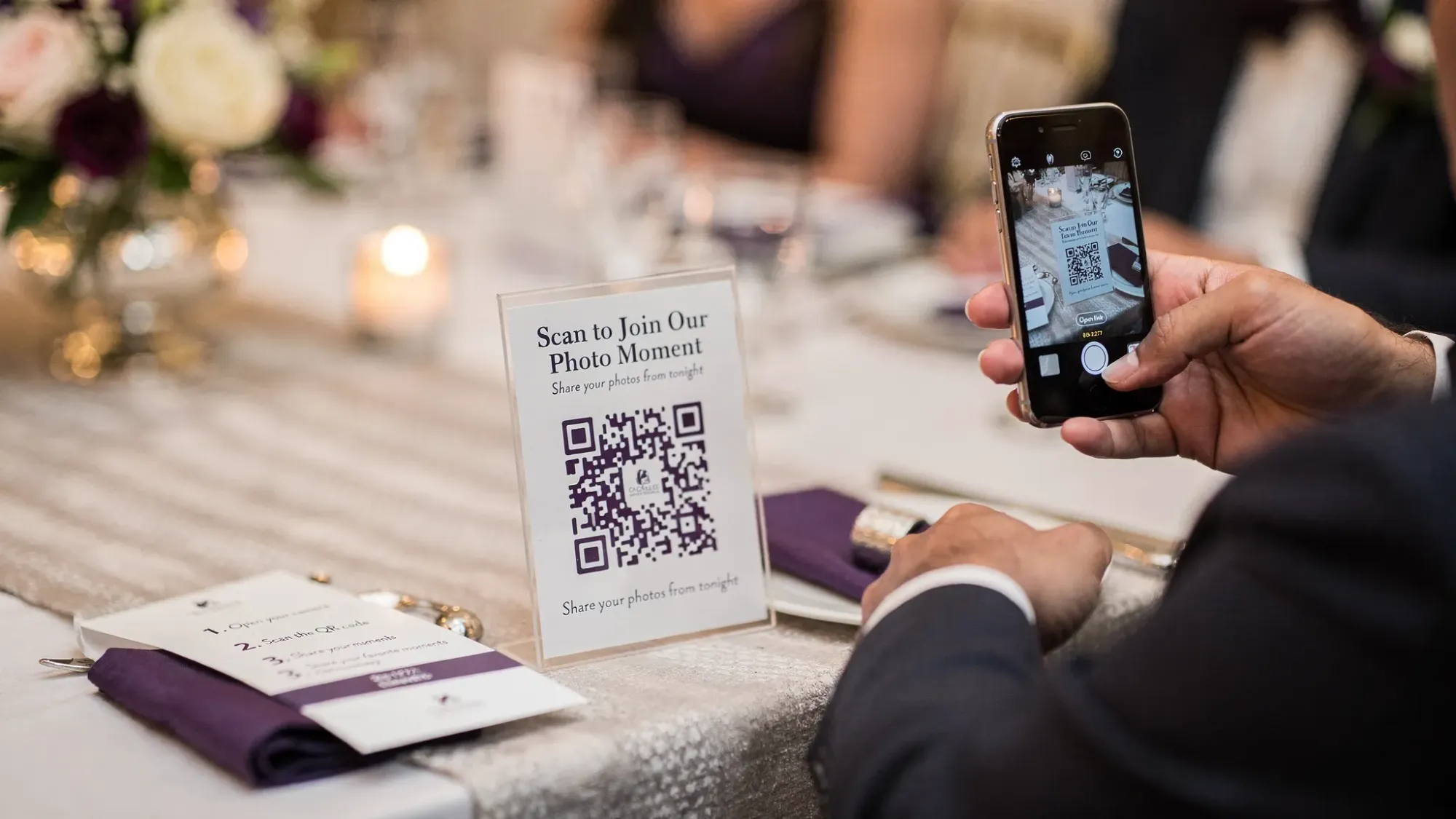
Revel.cam is built for that second part. You can create a private event gallery (a Moment) and let guests scan a QR code or tap an NFC tag to open the camera instantly. There’s no app install and no login, so participation is much higher than “text me your photos later.” Hosts can set per-guest photo limits, set an end time, review shots, and share a clean gallery when the Moment ends.
Frequently Asked Questions
How far in advance should I book event photography near me? For weddings and peak-season weekends, earlier is better (often many months ahead). For corporate events, availability varies, but booking early helps secure the right fit and align on brand needs.
Should I hire a photographer who specializes in my event type? Usually, yes. Weddings, conferences, nightlife parties, and school events require different instincts, lighting approaches, and crowd management.
What’s more important: years of experience or a strong portfolio? A consistent full-gallery portfolio is the best signal. Experience matters most when it shows up in reliability: timelines, backups, and handling pressure.
Do I need a shot list? A short must-have list is smart (VIPs, key moments, specific groupings). Overly long shot lists can backfire by pulling the photographer away from candid storytelling.
How do I make sure guests can access photos easily afterward? Confirm the photographer’s delivery method and guest-download process. If you also want guest-taken photos in one place, use a shared capture method (like a QR-based event camera) so images aren’t scattered across group chats.
Can a guest photo-sharing tool replace a professional photographer? For most milestone events and brand-critical events, no. Guest photos are best as a supplement that captures extra perspectives and candids.
Make your event photos feel complete (without chasing anyone later)
If you’re hiring a photographer, you’re already investing in your event’s story. The easiest way to make that story feel fuller is to capture the candid, in-between moments guests see from every angle.
Create a private Moment on Revel.cam and place your QR code on tables, signage, badges, or a welcome poster. Guests can join instantly, take photos in the moment, and everything uploads automatically to one gallery you can review and share when the event ends.
A writer interested in connection, memory, and the everyday moments that matter more than we realize.
Tags: Event photography , Event photo collection , Event photo sharing , Corporate events , Shared event photos