Disposable Camera Developing Near Me: What It Costs in 2026
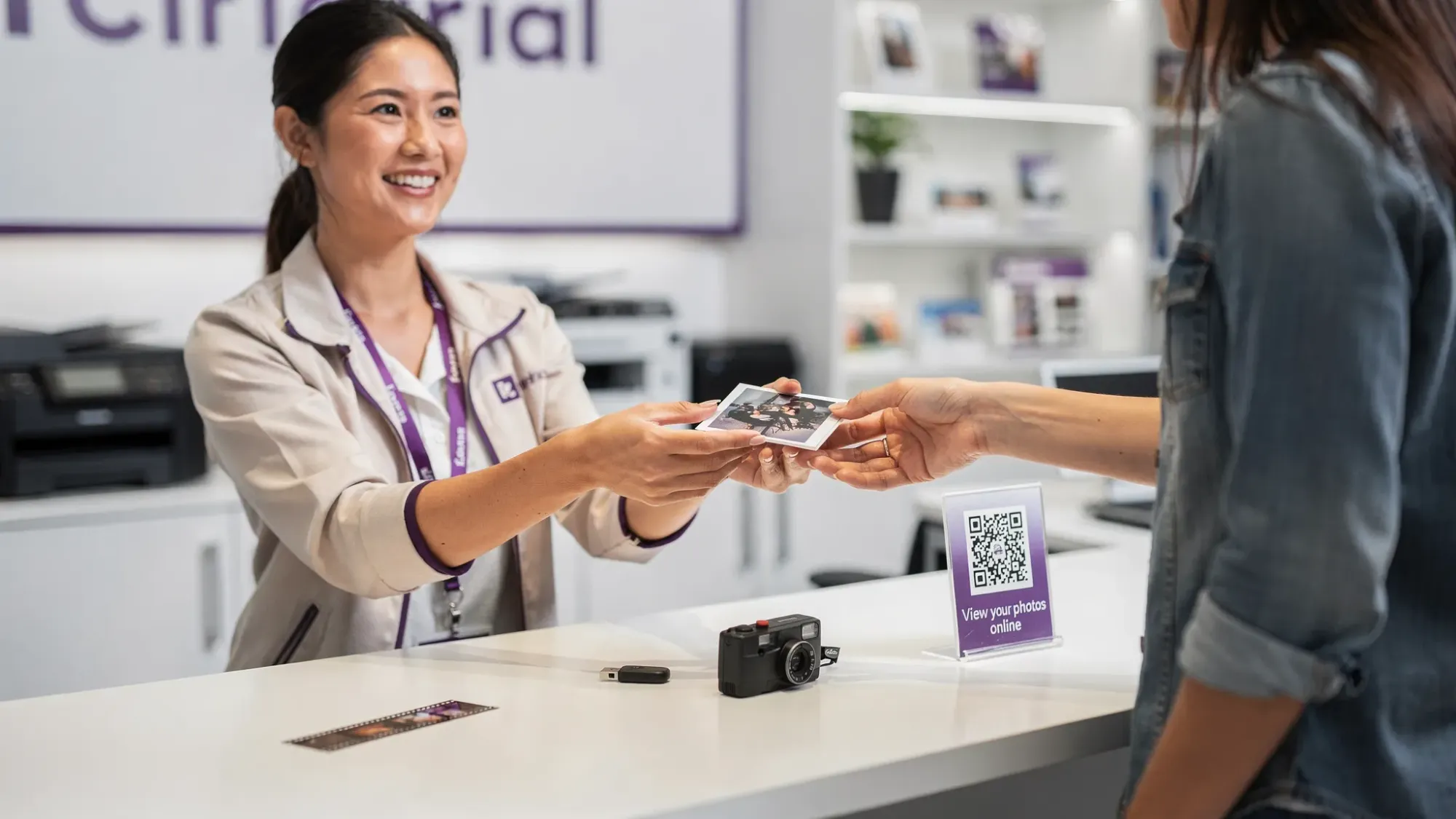
If you’re searching “disposable camera developing near me”, you’re usually trying to answer one question fast: what will it cost to get my disposable camera photos back, and how long will it take in 2026?
Film is very much alive, but the economics have changed. Fewer one-hour labs, more send-out processing, and higher scanning expectations mean prices vary widely by city, lab type, and what you want back (prints, digital files, or both).
Below is a practical, 2026-specific cost breakdown, what’s included, what adds fees, and how to pick the best local option without getting surprised at checkout.
What “developing a disposable camera” actually includes
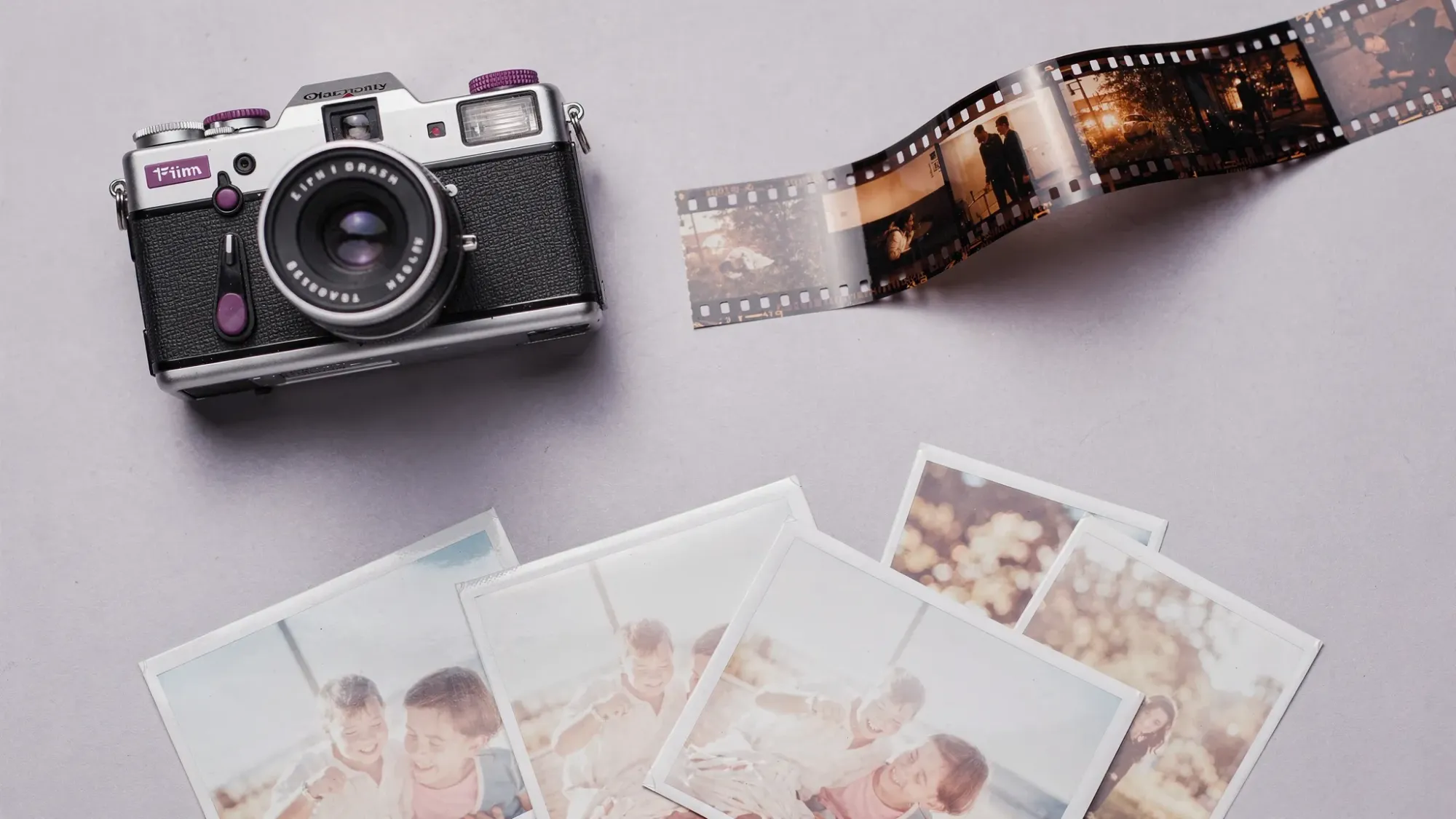
Most disposable cameras contain 35mm color negative film (the common C-41 process). When you drop one off, labs may sell you one bundled service or separate line items.
Here’s what you may be paying for:
- Film developing (processing): the chemical development step that turns exposed film into negatives.
- Scanning: converting negatives into digital files (often JPGs). Quality depends on resolution, color correction, and whether dust is removed.
- Printing: physical prints, commonly 4x6.
- Negatives return: some places return your negatives automatically, others charge, and a few keep them unless requested.
- Turnaround and delivery: local pickup versus shipping (for mail-in labs).
If you only want digital photos, ask for develop + scan only. If you want the classic experience, ask for develop + prints, and optionally add scans.
Typical costs in 2026 (what most people pay)
Prices can swing based on your city and the lab’s equipment, but the ranges below reflect what’s common in the US in 2026 for one disposable camera (one roll).
| Service (1 disposable camera) | Typical 2026 price range | Notes you should confirm before paying |
|---|---|---|
| Develop (process) only | $10 to $20 | Often not sold alone at big retailers, common at dedicated labs |
| Develop + 4x6 prints | $15 to $30 | Usually includes one set of prints; ask if “prints only” means no digital files |
| Develop + scans (no prints) | $20 to $40 | Best value if you only want phone-ready images |
| Develop + prints + scans | $25 to $45 | The most common “all-in” bundle |
| Higher-resolution scans upgrade | +$10 to +$30 | Ask what resolution you get (example: “medium” vs “high-res”) |
| Same-day or rush service (where available) | +$10 to +$25 | Many areas no longer offer true same-day, confirm timeline |
| Mail-in shipping (if you’re not using a local lab) | +$8 to $20 | Round-trip shipping varies by carrier and insurance |
A quick reality check on “cheap developing near me”
If you see an unusually low advertised price, it often means one of these:
- Prints included, but scans cost extra.
- Scans included, but very low resolution.
- The price is for developing only, with prints or scans as add-ons.
- It’s a send-out service with slower turnaround.
Turnaround times to expect in 2026
Turnaround is now the biggest difference between options.
| Where you develop | Typical turnaround | What this usually means |
|---|---|---|
| Local dedicated photo lab | 1 to 7 days | Fastest for most people, best quality control |
| Retail drop-off (pharmacy, big-box) | 1 to 3+ weeks | Often shipped to a regional lab, timing varies a lot |
| Mail-in lab | 1 to 3+ weeks total | Shipping time plus the lab’s queue |
If you need photos for a deadline (a slideshow, a scrapbook gift, a brand recap), call the lab before you go. “Rush” is only meaningful if they are actually running film in-house.
Why disposable camera developing costs more now
Even though film is trending again, development is still more expensive than it was a decade ago because:
- Fewer local minilabs operate today, so many shops ship film elsewhere.
- Labor and chemistry costs have risen, and knowledgeable techs are in high demand.
- Most customers now expect digital delivery, and scanning is a real production step, not a free add-on.
The good news: paying more often gets you better scans, better color, and fewer “why are these so dark?” disappointments.
What affects your final price (and what to ask before you drop off)
Two disposable cameras can cost very different amounts to process. These are the biggest price drivers.
1) Prints vs digital scans (and scan quality)
Scans are where labs differ most. Before paying, ask:
- What resolution do you include (and what’s the upgrade)?
- Do you do any color correction or is it “auto”?
- How are files delivered (download link, email, USB)?
If you plan to print larger than 4x6 or crop heavily, paying for higher-quality scans can be worth it.
2) Film type (color negative vs black and white vs slide)
Most disposable cameras are C-41 color negative. If yours is black and white or slide film, it may cost more and take longer because fewer labs handle it in-house.
3) Push processing or special requests
Some labs offer “push/pull” for creative looks or difficult exposures. It’s not common for disposable cameras, but if you request it, expect an added fee.
4) How your images are returned
Ask whether you get:
- Your negatives back
- A contact sheet or index print (less common now)
- Digital files in a specific format
Negatives are your originals. If you care about archiving, make sure they are returned.
How to choose the best “near me” option (not just the closest)
When you search locally, you’ll see everything from pro labs to big retailers. Use these checks to avoid bad surprises.
Look for signs of an in-house lab
A strong local choice usually:
- Lists film as a core service (not a hidden menu item)
- Can explain scan sizes and timelines clearly
- Has sample scans or example work online
Call and ask these five questions
Keep it simple. You’re trying to uncover hidden line items and timeline risk:
- What’s your price for develop + scans for a 35mm disposable camera?
- Are scans included, and what resolution?
- Do you return negatives, and is that included?
- What’s your current turnaround time?
- Is this processed in-house or sent out?
If they can’t answer quickly, you’re likely to get uncertainty later.
Budget examples (so you can plan without guessing)
If you’re developing disposable cameras for an event, the math adds up fast because you’re paying per camera.
| Scenario | Number of disposable cameras | Typical total (develop + scans) in 2026 |
|---|---|---|
| Small party | 5 | $100 to $200 |
| Medium event | 10 | $200 to $400 |
| Wedding with cameras on many tables | 20 | $400 to $800 |
These totals often do not include prints, rush fees, or shipping. If you add prints for every roll, your total can climb quickly.
A modern alternative if your real goal is “get everyone’s photos”
Many people buy disposable cameras for weddings, birthdays, and corporate events because they want:
- Candid guest photos
- A limited-shot “be intentional” vibe
- One collection at the end
The catch is that physical disposables create a second project: collecting cameras, paying for development, waiting weeks, then chasing digital copies.
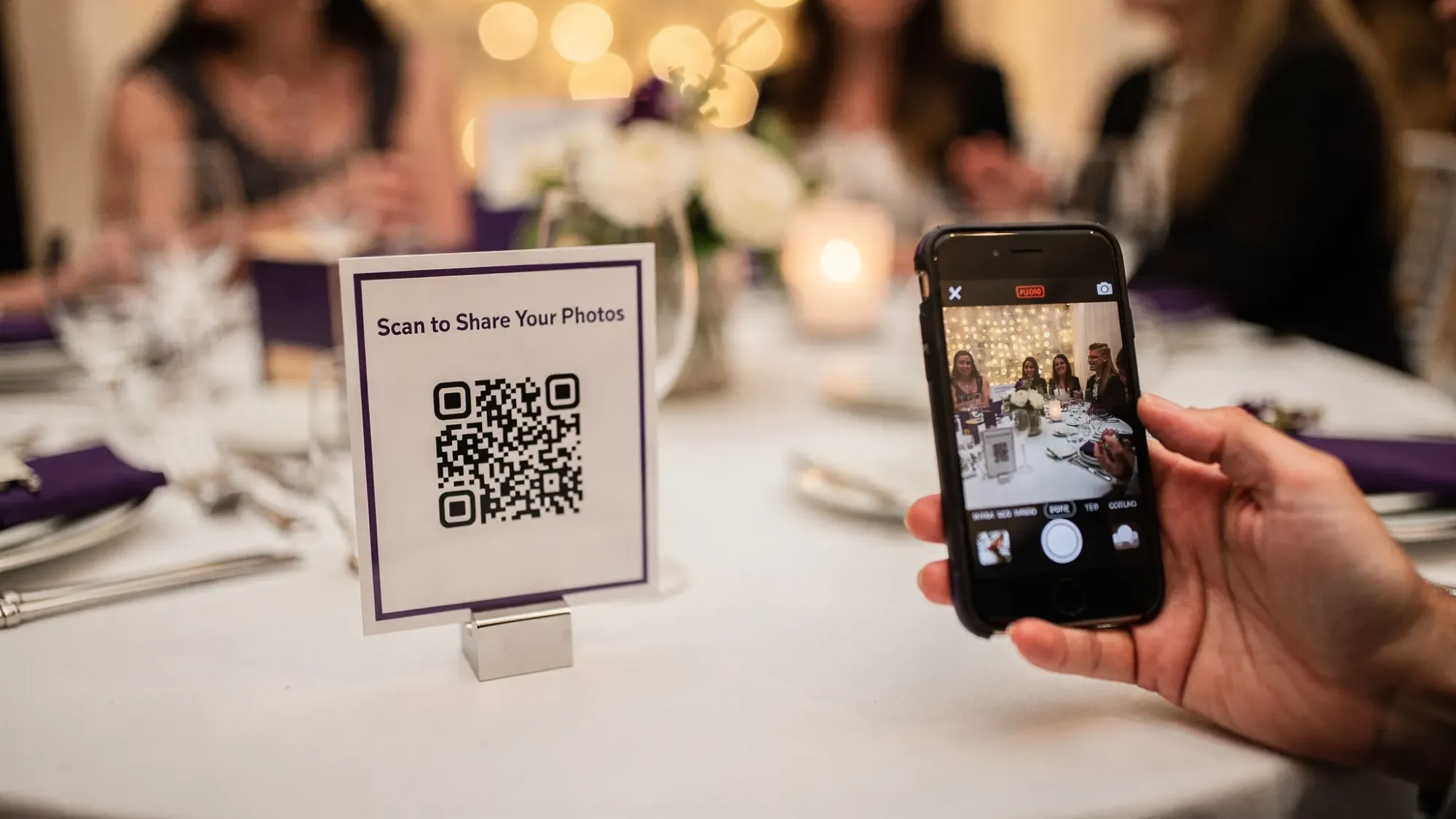
If you want the disposable-camera feel without the developing bill, a shared event camera like Revel.cam is built for that exact use case. Guests scan a QR code (or tap NFC) to open the camera instantly, with no app install and no signup. Hosts can set per-guest photo limits, choose when the Moment ends, review shots, then share a clean gallery.
If you’re planning a wedding specifically, you may also like this deeper breakdown of tradeoffs: Disposable camera wedding: costs, downsides, and the best modern alternative.
Bottom line
In 2026, disposable camera developing near me typically lands in the $20 to $45 per camera range once you include scans, and turnaround can be anywhere from a couple of days to a few weeks depending on whether the work is done locally.
If you’re developing one camera for nostalgia, call a dedicated local lab and ask about scan resolution and timelines. If you’re planning an event and mainly want guest photos in one place, consider skipping development entirely and using a limited-shot, QR-based shared camera instead.

A writer interested in connection, memory, and the everyday moments that matter more than we realize.